Putin Xi Meeting Signals New Global Power Shift Amid Rising East-West Tensions
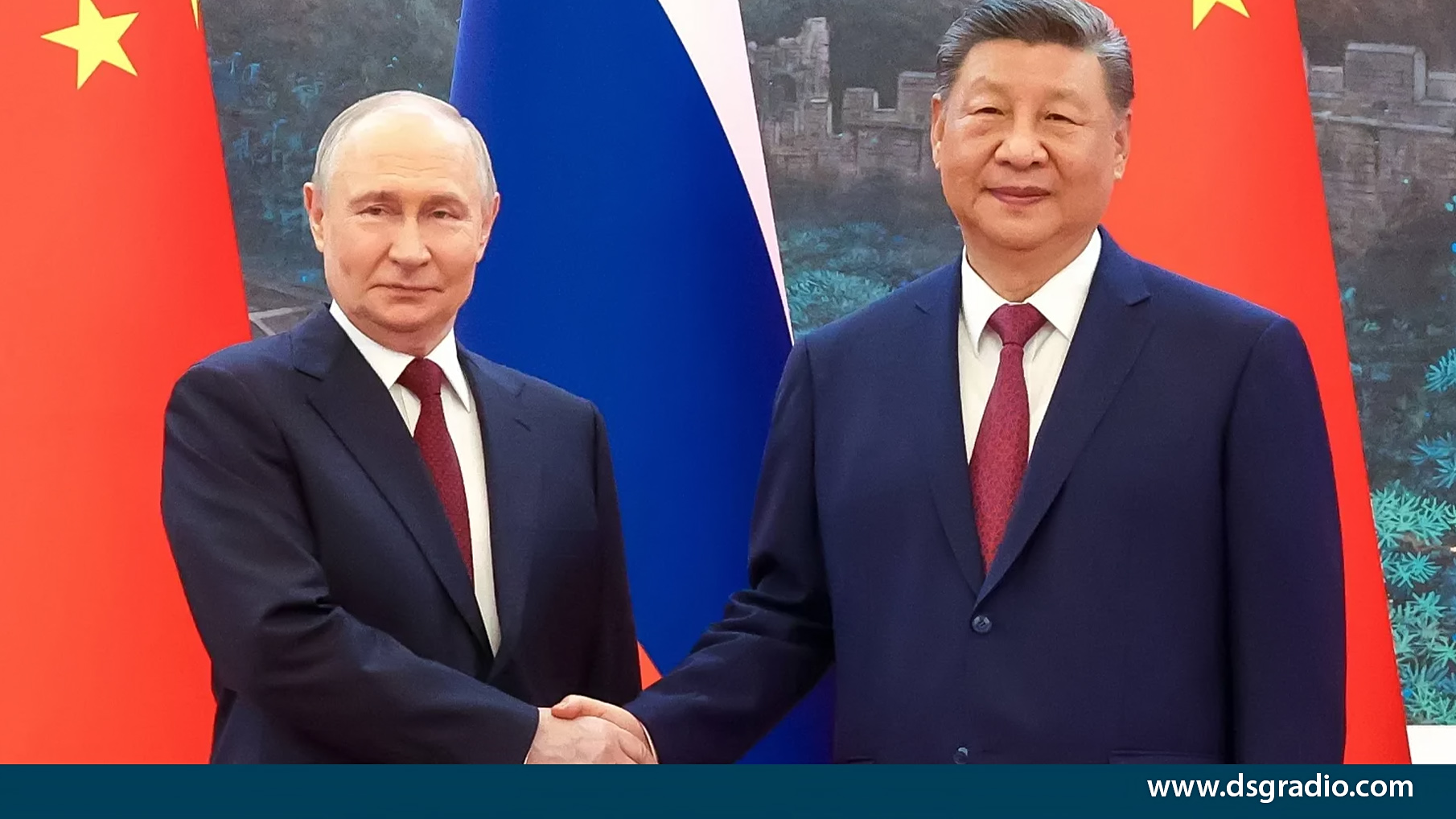
The latest Putin Xi Meeting in Beijing has drawn renewed international attention to the strengthening relationship between Russia and China as both countries deepen political, economic, and strategic cooperation amid growing tensions with the West.
Russian President Vladimir Putin met Chinese President Xi Jinping during high-level talks in China this week, with discussions reportedly focused on energy security, trade cooperation, sanctions pressure, regional stability, and the future balance of global power.
The meeting comes at a critical moment in international politics as the Ukraine war continues to reshape alliances, global energy markets remain volatile, and geopolitical competition between major powers intensifies. Analysts say the growing partnership between Moscow and Beijing reflects broader changes in the international order and could significantly influence global diplomacy in the years ahead.
According to an Aljazeera report, both leaders emphasised deeper strategic cooperation as Western pressure on their governments continues to expand.
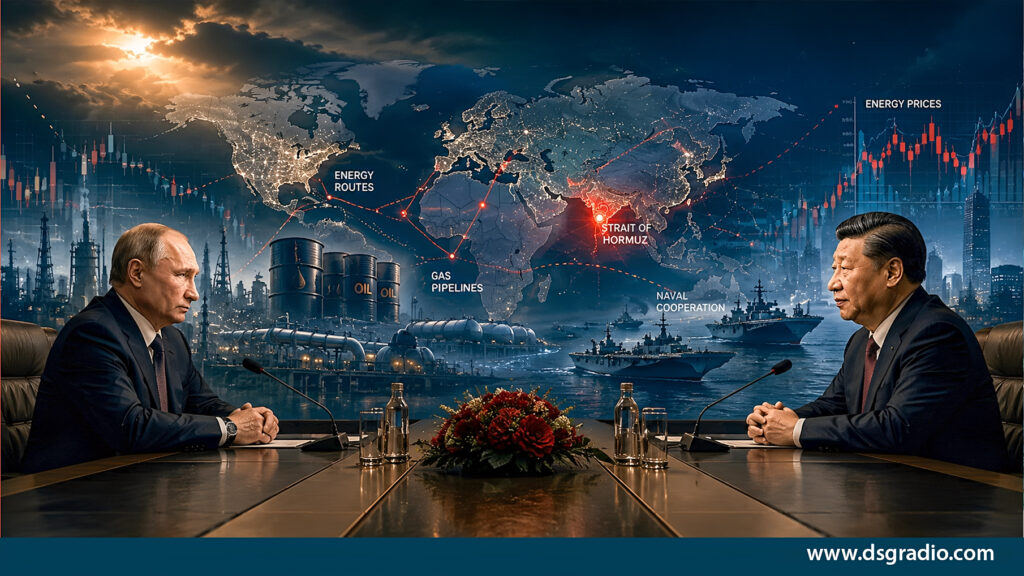
Why the Putin Xi Meeting Matters Globally
The significance of the Putin Xi Meeting extends beyond diplomacy. Political observers increasingly view the relationship between Beijing and Moscow as part of a wider geopolitical realignment shaping the future of international power structures.
For years, Russia and China have strengthened ties through:
- Expanded trade agreements
- Joint military exercises
- Energy partnerships
- Technology cooperation
- Diplomatic coordination at global institutions
However, recent global developments have accelerated that cooperation.
Russia continues to face extensive Western sanctions linked to the Ukraine conflict, while China faces growing strategic rivalry with the United States over trade, technology, Taiwan, and military influence in Asia.
As a result, both governments now appear increasingly dependent on one another economically and strategically.
The meeting also comes shortly after renewed diplomatic engagement between Washington and Beijing, adding another layer of complexity to global geopolitical competition.
China Russia Alliance and the Energy Security Factor
One of the most important dimensions of the Putin Xi Meeting is energy security.
China remains one of the world’s largest energy consumers, while Russia possesses vast oil and gas resources. With global tensions affecting shipping routes and supply chains, both nations are seeking more stable long-term energy cooperation.
Analysts say concerns over instability in the Strait of Hormuz and broader Middle East tensions have increased Beijing’s interest in securing diversified energy supplies.
Russia has become increasingly important to China’s long-term energy strategy through:
- Pipeline expansion projects
- Oil exports
- Natural gas partnerships
- Long-term supply agreements
The Power of Siberia gas pipeline remains central to that relationship, with discussions reportedly continuing around future expansion.
Energy cooperation has become particularly significant as Western sanctions reshape global energy markets and force Moscow to redirect exports toward Asian markets.
For China, securing affordable and reliable energy supplies remains essential for economic growth and industrial stability.
Russia China Relations Expanding Beyond Trade
The Putin Xi Meeting also highlights how Russia China Relations are evolving beyond economic interests into broader strategic alignment.
Military cooperation between the two countries has expanded steadily over recent years through:
- Joint naval drills
- Air Force exercises
- Defense coordination
- Security consultations
While neither country officially describes the relationship as a military alliance, experts increasingly view the partnership as a coordinated effort to counter Western influence globally.
The two governments have also strengthened cooperation within organisations such as:
- BRICS
- The Shanghai Cooperation Organisation
- The United Nations Security Council
That cooperation often centres on opposition to what both governments describe as Western dominance in global affairs.
The Kremlin and Beijing have repeatedly promoted the idea of a “multipolar world,” arguing that global power should no longer be concentrated primarily among Western nations.
The Ukraine War’s Influence on the Partnership
The Ukraine conflict has significantly accelerated cooperation between Moscow and Beijing.
Western sanctions have isolated parts of the Russian economy from European and North American markets, forcing Russia to expand economic engagement with Asian partners, particularly China.
China has maintained a more cautious public diplomatic stance, calling for dialogue while avoiding direct condemnation of Moscow.
Still, trade between the two countries has increased substantially since the conflict began.
Economic analysts note that China benefits from:
- Discounted Russian energy imports
- Expanded access to Russian raw materials
- Greater regional influence across Eurasia
Russia, meanwhile, gains:
- Access to Chinese markets
- Alternative financial channels
- Strategic diplomatic support
The evolving relationship demonstrates how global conflicts can rapidly reshape international partnerships.
Global Power Shift and the Rise of Multipolar Politics
The Putin Xi Meeting is increasingly being viewed through the lens of a broader Global Power Shift.
International politics is moving toward a more fragmented, competitive system in which multiple major powers simultaneously compete for influence.
Several trends are contributing to that shift:
- Rising geopolitical rivalry
- Economic fragmentation
- Supply chain competition
- Regional security tensions
- Expanding BRICS influence
China and Russia argue that current global institutions overly favour Western powers and fail to reflect emerging geopolitical realities.
That argument has gained support in parts of Africa, Asia, Latin America, and the Middle East, where some governments seek more diversified international partnerships.
The growing influence of BRICS has become one visible example of that trend.
Countries across the Global South increasingly view the organisation as a possible counterweight to traditional Western-led institutions.
What the Meeting Means for Africa and Developing Nations
The geopolitical implications of the Putin Xi Meeting also matter significantly for Africa and other developing regions.
Many African nations maintain strong economic ties with China through infrastructure investment, trade, and financing.
Russia has meanwhile expanded its diplomatic and security presence in parts of Africa through military cooperation and political engagement.
As global competition intensifies, African governments may increasingly find themselves navigating between:
- Western partnerships
- Chinese investment
- Russian security influence
That balancing act could shape future economic and diplomatic decisions across the continent.
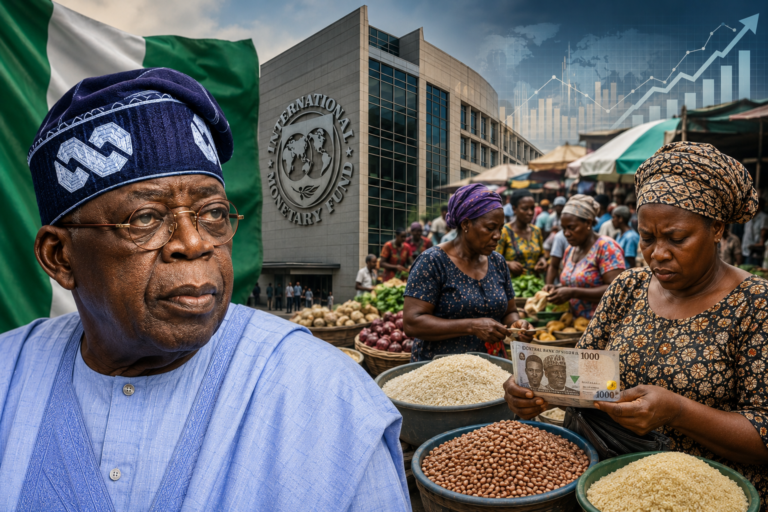
Nigeria, Africa’s largest economy, is also closely monitoring global energy and trade developments because international geopolitical instability directly affects:
- Oil prices
- Inflation
- Currency markets
- Food supply chains
- Investment flows
Global tensions involving major powers often have immediate economic consequences for developing economies.
Western Concerns Over the Beijing-Moscow Partnership
Western governments continue to closely monitor the expanding China Russia Alliance.
Officials in the United States and Europe have expressed concern that deeper cooperation between Beijing and Moscow could:
- Undermine the effectiveness
- Shift military balances
- Challenge Western diplomatic influence
- Accelerate global polarization
At the same time, analysts caution that the relationship also contains complexities.
Despite growing cooperation, both countries maintain distinct national interests and strategic priorities.
China’s economy remains far larger and more globally integrated than Russia’s, while Beijing continues to maintain important trade relationships with Western economies.
Still, the current geopolitical environment appears to be pushing both governments toward closer coordination.
Future Outlook After the Putin Xi Meeting
The long-term consequences of the Putin Xi Meeting could extend far beyond current diplomatic headlines.
Experts believe the relationship between Beijing and Moscow may continue expanding in several key areas:
- Energy security
- Financial systems
- Technology cooperation
- Defense coordination
- Alternative trade structures
The broader global system may increasingly shift toward competing geopolitical blocs, forcing nations to navigate complex strategic relationships.
For now, the meeting underscores one clear reality: the international balance of power is evolving rapidly.
As geopolitical competition intensifies, the growing partnership between China and Russia is becoming one of the defining forces shaping modern global politics.
Recommended Coverage:
- Russia’s Mali Security Role Tests Alliance Strength in Africa — Explore how Russia’s growing involvement in Mali is testing its influence and strategic partnerships across Africa.
- https://dsgradio.com/iran-russia-talks-intensify-as-us-tensions-rise/ Iran-Russia Talks Intensify Amid Rising US Tensions — Read how expanding Iran-Russia cooperation is reshaping Middle East diplomacy amid rising US tensions.
- US-Nigeria Operation Targets ISIS Leadership in Africa — See how international security operations are influencing counterterrorism efforts across Africa.
- Niger Media Crackdown Raises New Sahel Stability Concerns — Understand how political instability and media restrictions are affecting governance across the Sahel region.
About the Author