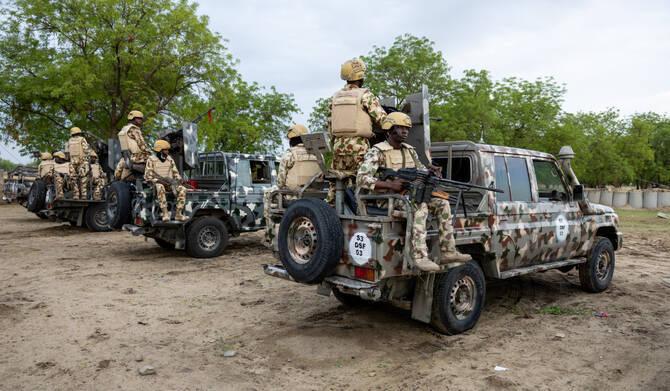
Borno Military Base Attack Raises Fresh Questions Over Counter-Insurgency Gains in Northeast Nigeria
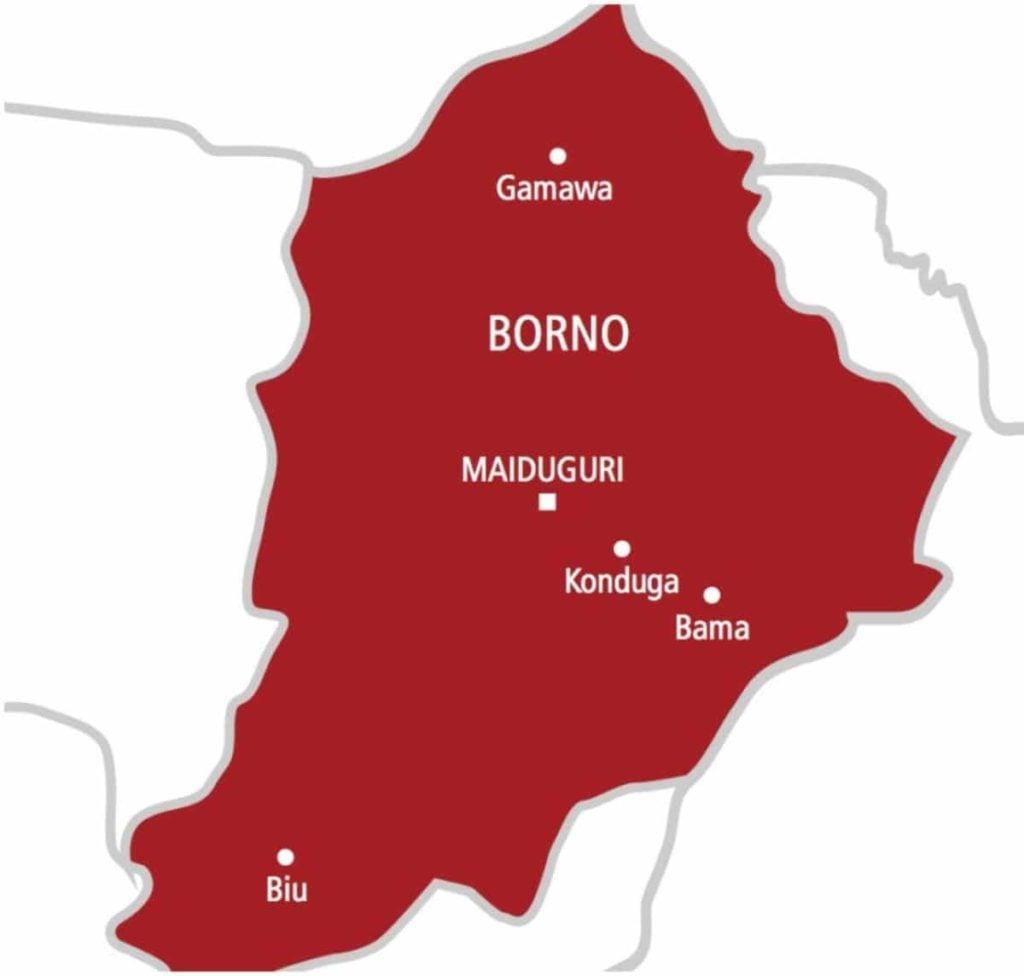
The Borno Military Base Attack carried out by Boko Haram insurgents in the early hours of Friday has reignited concerns about the state of security in Nigeria’s Northeast, despite years of military operations aimed at degrading terrorist networks in the region. The attack on a Forward Operating Base in Mandaragirau, Biu Local Government Area of Borno State, left soldiers and members of the Civilian Joint Task Force (CJTF) dead and has prompted renewed discussions about intelligence gathering, military preparedness, and the evolving tactics of insurgent groups.
The incident occurred during heavy rainfall and poor visibility conditions, factors that military officials say complicated defensive operations. While authorities insist troops successfully repelled the attackers and retained control of the base, local and military sources suggest the assault exposed continuing vulnerabilities in the fight against insurgency.
What Happened at the Borno Military Base?
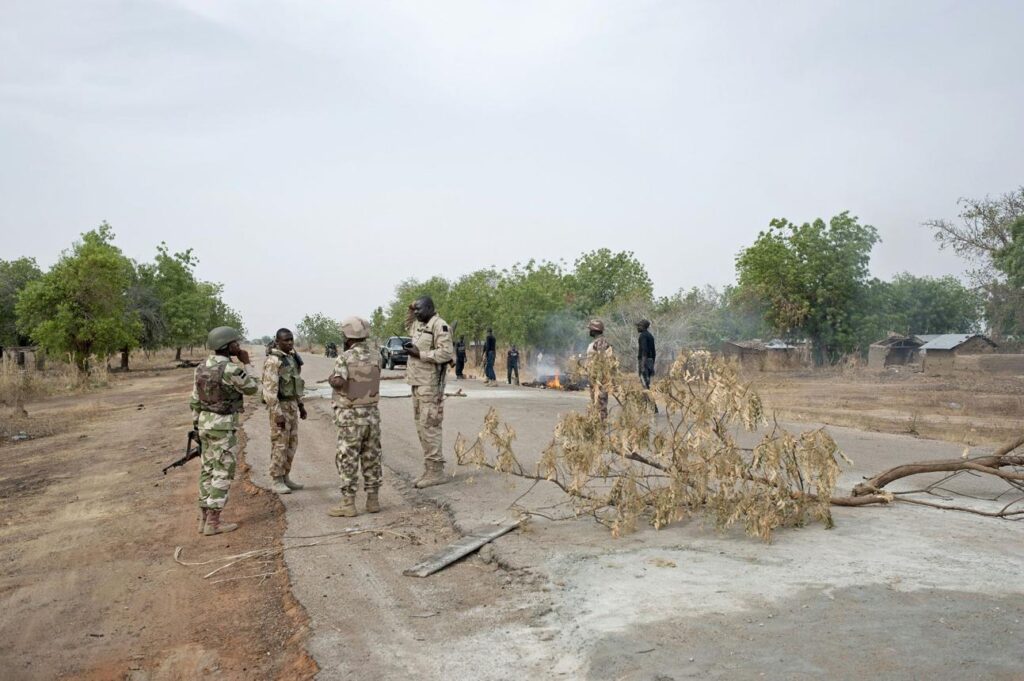
According to a statement issued by Lt. Col. Haruna Sani, Acting Media Information Officer of Operation HADIN KAI, Boko Haram fighters launched an attack at approximately 3 a.m. on Friday against the Forward Operating Base in Mandaragirau.
Military officials said the insurgents attempted to breach sections of the facility while weather conditions severely limited visibility.
Sani stated that troops mounted what he described as a determined counter-offensive that prevented further incursions and inflicted casualties on the attackers.
The military confirmed that five soldiers lost their lives during the fighting. Three members of the Civilian Joint Task Force, a volunteer security group that supports military operations against insurgents, were also killed.
According to the military, injured personnel were airlifted for treatment and were receiving medical attention in stable condition.
However, accounts from local and military sources painted a more troubling picture.
Sources familiar with the incident said the attackers operated around the military location for nearly an hour during a downpour. Some sources claimed multiple locations were targeted and suggested the casualty figures may have been higher than those officially announced.
One military source reportedly claimed that more than eight soldiers may have been killed, though that figure has not been independently verified.
Details surrounding the exact casualty toll remain unclear.
The conflicting accounts underscore the challenges that often emerge in the immediate aftermath of major security incidents, particularly in active conflict zones where information can be difficult to verify.
Military Response to the Borno Military Base Attack
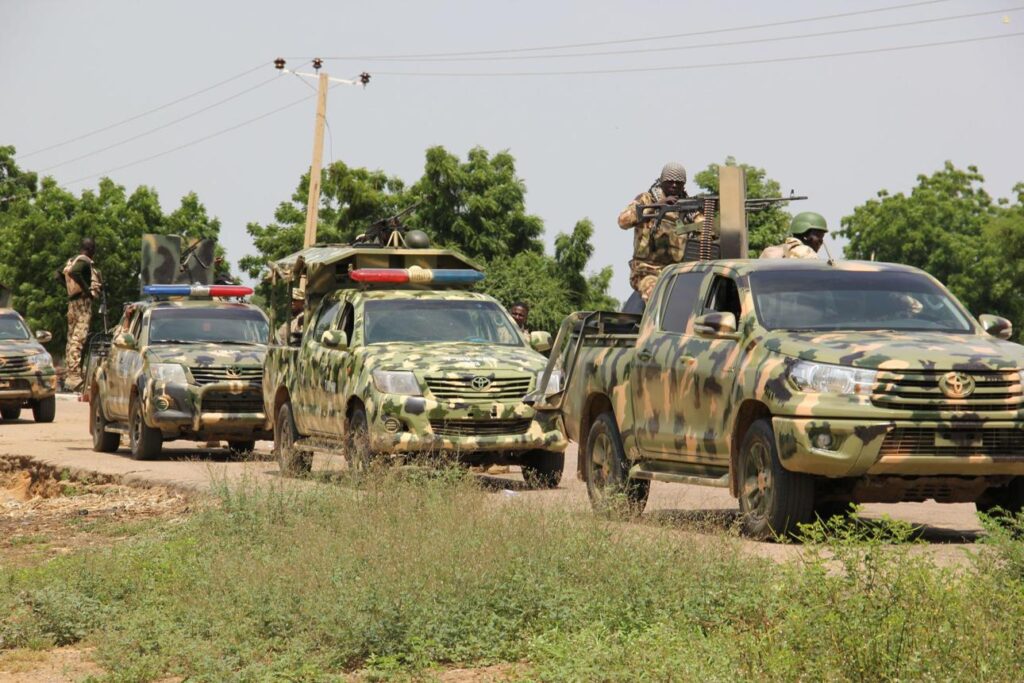
Military authorities have emphasized that troops ultimately retained control of the Forward Operating Base despite the assault.
Operation HADIN KAI described the attack as a failed attempt by terrorist elements to undermine ongoing military pressure in the Northeast.
According to the military, exploitation and consolidation operations were launched after the attack, while additional troops and combat resources were deployed across affected areas.
Officials also framed the incident as evidence of growing pressure on insurgent groups.
“These failed attacks further underscore the growing desperation of terrorist elements,” the military said in its statement.
Such messaging reflects a recurring theme in Nigeria’s counter-insurgency strategy: maintaining operational pressure while demonstrating that insurgents remain unable to seize and hold strategic territory.
Yet the Borno Military Base Attack is likely to renew scrutiny of how effectively military gains are being consolidated, particularly in remote areas where terrain, weather, and logistics continue to complicate operations.
Why Boko Haram Remains a Security Threat
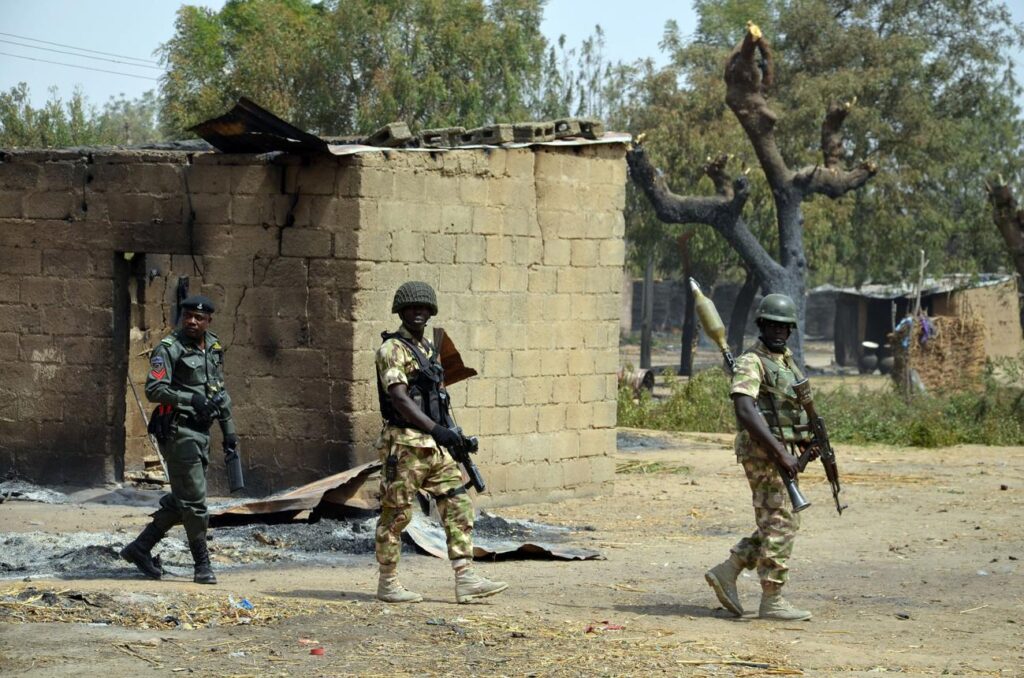
More than a decade after Boko Haram emerged as one of Africa’s deadliest extremist movements, the group continues to demonstrate an ability to conduct attacks against both civilian and military targets.
Although Nigerian security forces have significantly degraded the group’s territorial control compared with the height of the insurgency, attacks continue to occur across parts of Borno and neighboring states.
Security analysts have frequently noted that insurgent groups often adapt their tactics when under sustained military pressure.
Rather than attempting to occupy large territories, militants may focus on surprise attacks, ambushes, raids on military positions, and efforts to seize weapons or equipment.
The latest Borno Military Base Attack appears consistent with that pattern.
The incident also highlights how environmental factors can influence security operations.
Heavy rainfall, poor road networks, and difficult terrain have historically complicated military movements in parts of the Northeast, especially during the rainy season.
These conditions can create temporary tactical advantages for insurgent groups familiar with local geography.
For communities across Borno State, continued attacks reinforce concerns about long-term stability despite improvements recorded in several areas over recent years.
Role of Community Intelligence in Counter-Terrorism
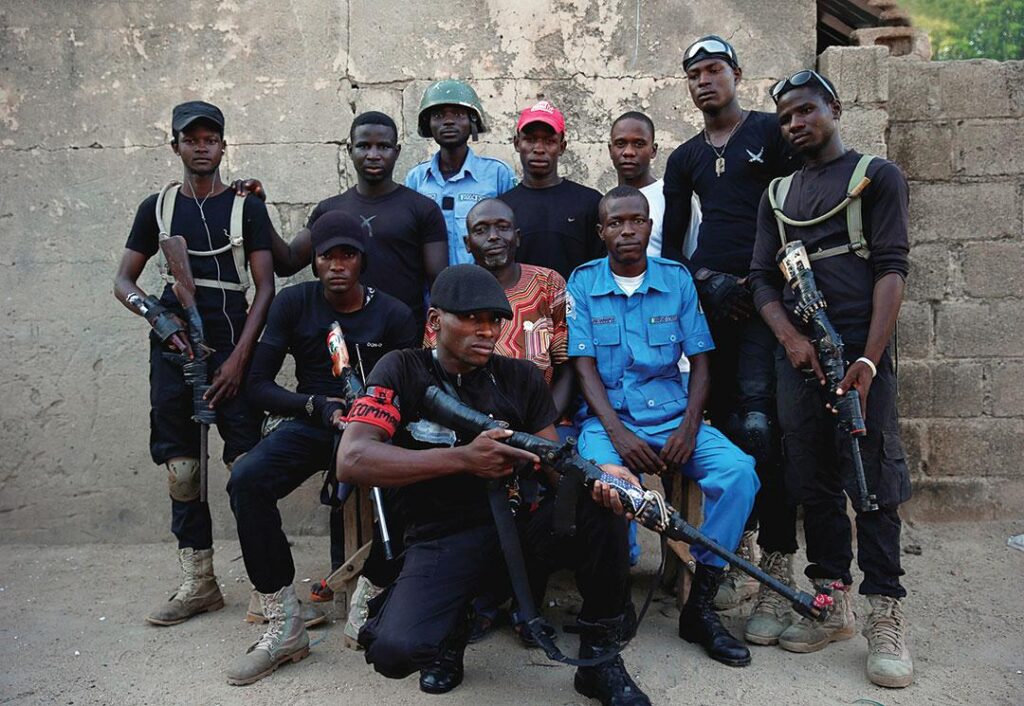
One of the most significant issues raised after the attack involves intelligence gathering and community engagement.
President of the Borno South Youth Alliance, Samaila Kaigama, called for stronger grassroots participation in security efforts.
According to Kaigama, local knowledge remains an important resource in identifying suspicious movements and preventing attacks before they occur.
He argued that community-based structures should complement official security operations and help create more effective channels for information sharing.
His comments align with broader discussions that have emerged in Nigeria’s security sector over recent years.
Many experts believe local intelligence networks can play a critical role in counter-terrorism efforts, particularly in rural communities where residents may observe unusual activities before authorities become aware of them.
The Civilian Joint Task Force itself emerged from community efforts to support military operations against Boko Haram.
The deaths of CJTF members during the attack underscore the continued risks faced by civilians who participate in security initiatives.
The debate over community engagement is expected to intensify following the latest attack.
For related security concerns, readers may also find useful our report on Boko Haram attack in Chad exposing regional security gaps:
https://dsgradio.com/boko-haram-attack-chad-exposes-security-gaps/
What the Attack Means for Northeast Nigeria Security
The broader significance of the Borno Military Base Attack extends beyond the immediate casualties.
At a strategic level, the incident raises questions about how Nigeria measures success in counter-insurgency operations.
Military campaigns are often evaluated based on territory recovered, insurgents neutralized, and communities protected.
However, occasional high-profile attacks can shape public perception even when broader security indicators show improvement.
For residents of conflict-affected communities, the key question is not simply whether attacks occur, but whether authorities can consistently prevent them and respond effectively when they happen.
The incident may also prompt renewed assessment of force deployment, surveillance capabilities, intelligence coordination, and logistical preparedness during adverse weather conditions.
Security experts have repeatedly emphasized that counter-insurgency campaigns require a combination of military action, intelligence gathering, community engagement, economic development, and long-term stabilization efforts.
The latest attack serves as a reminder that security gains can remain fragile if underlying vulnerabilities are not continuously addressed.
Regional Implications Beyond Nigeria
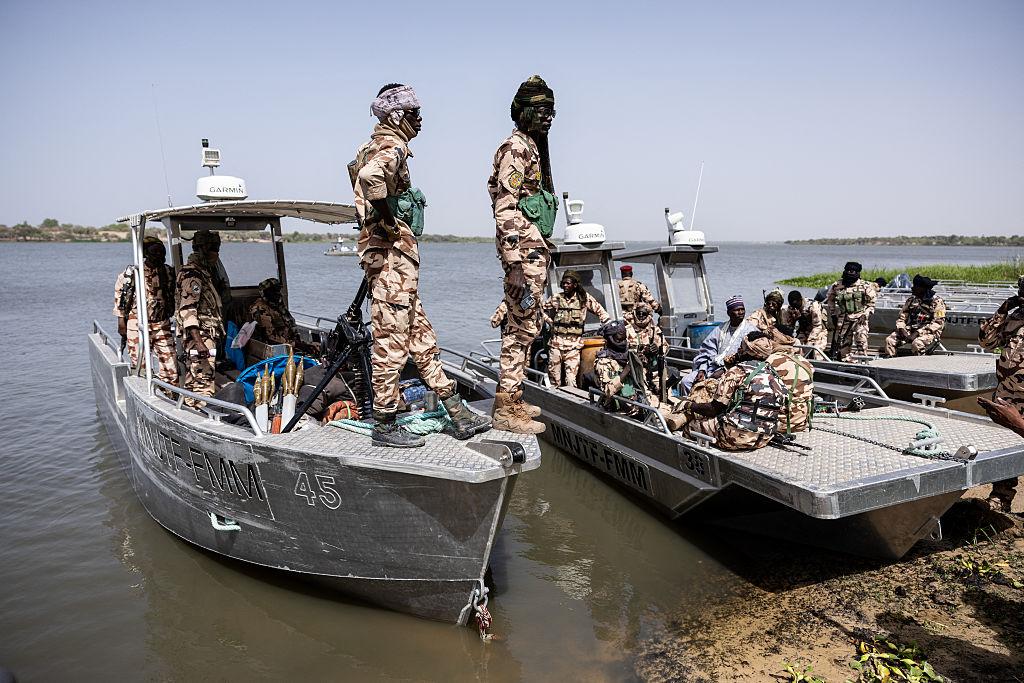
The attack comes at a time when several African countries continue to face insurgent and extremist threats.
Across the Sahel and Lake Chad Basin regions, governments have struggled with evolving militant tactics and cross-border security challenges.
While the circumstances differ from country to country, many states face similar questions regarding intelligence sharing, community resilience, and the sustainability of military gains.
Nigeria remains a critical security actor in West Africa, making developments in the Northeast closely watched across the region.
Any significant security incident involving Boko Haram or related extremist groups inevitably carries broader implications for regional stability.
The attack therefore resonates beyond Borno State, contributing to wider conversations about security cooperation across Africa.
Looking Ahead
For now, military authorities insist they remain firmly in control of the affected area and continue operations aimed at preventing further attacks.
Investigations and operational assessments are expected to continue as security agencies review the circumstances surrounding the assault.
Meanwhile, families of the fallen soldiers and CJTF members mourn their losses, while communities across Northeast Nigeria once again confront the reality of a conflict that has persisted for years.
The Borno Military Base Attack serves as both a security incident and a policy reminder.
It highlights the resilience of insurgent groups, the challenges posed by difficult operating environments, and the importance of maintaining pressure on extremist networks while strengthening intelligence and community engagement.
As Nigeria continues its counter-insurgency campaign, the events in Mandaragirau are likely to influence ongoing discussions about how best to secure vulnerable communities and sustain hard-won gains in the Northeast.
Recommended Coverage
Mali Militant Alliance Attack Shakes Sahel Security
A look at how militant groups across the Sahel continue to challenge national security efforts and regional stability.
US-Nigeria ISIS Operation Kills Top IS Leader in Africa
Examines recent counter-terrorism cooperation and its impact on extremist networks operating across Africa.
U.S. Military Trainers Arrive in Nigeria for Counter-Terrorism Support
Explores international security partnerships aimed at strengthening Nigeria’s counter-insurgency capabilities.
About the Author