DR Congo World Cup Plans Tested by Ebola Rules
The Democratic Republic of Congo’s path toward the 2026 FIFA World Cup has become part of a broader global debate over public health, international travel controls, and the future of major sporting events amid disease outbreaks.
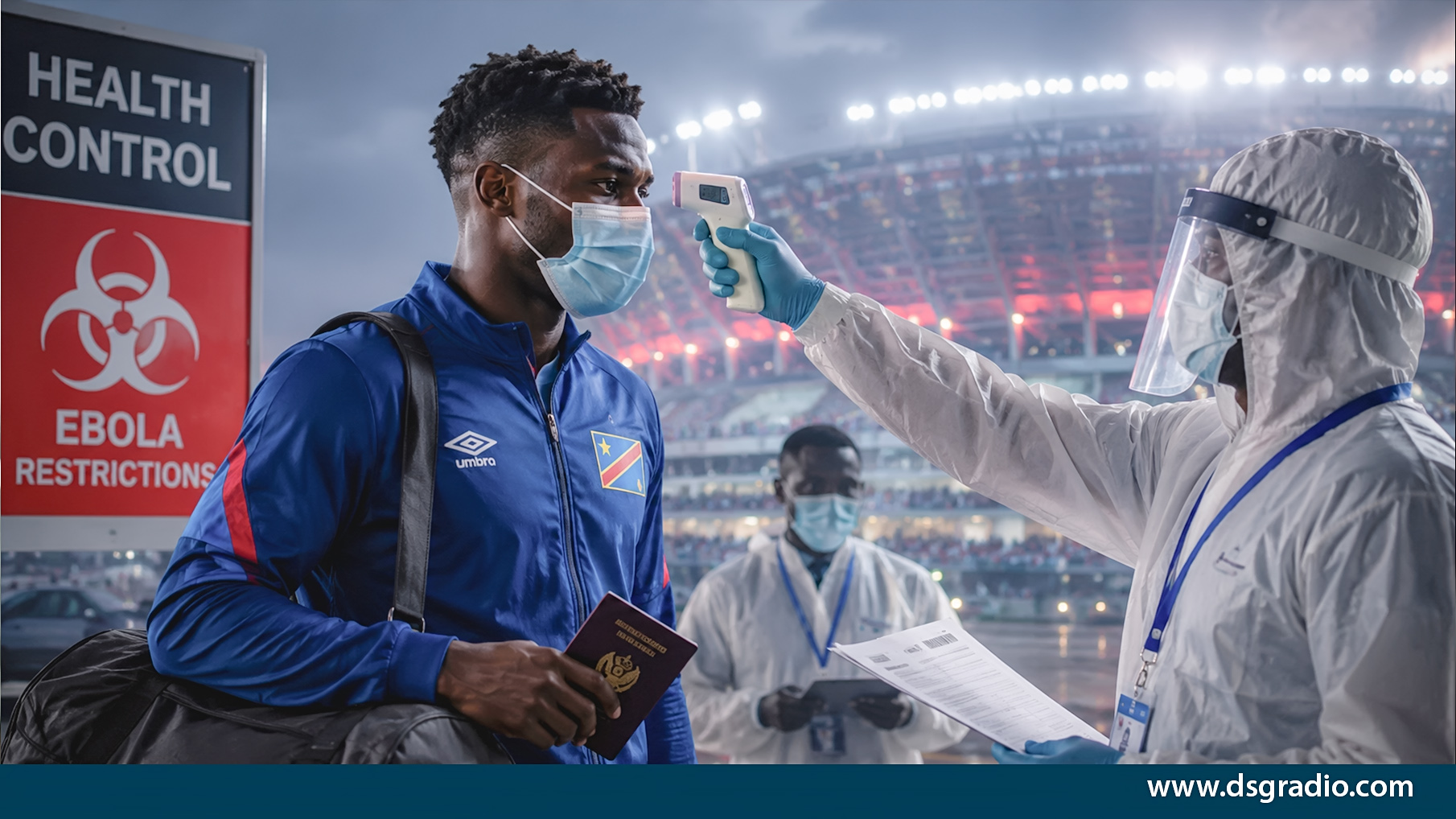
The United States confirmed that the DR Congo national football team would be allowed entry for the tournament despite ongoing Ebola-related travel restrictions, creating a rare exemption that highlights the growing tension between global health security and international sports diplomacy.
The decision comes as health authorities continue monitoring Ebola outbreaks in parts of Central and East Africa, while governments tighten border surveillance and screening measures to prevent the spread of infectious diseases. The situation has drawn additional attention to how FIFA, host nations, and health agencies plan to manage one of the world’s largest sporting events in an era marked by post-pandemic caution and emerging health threats.
According to an Al Jazeera report, US authorities said special arrangements would allow the Congolese team to participate in the tournament despite broader restrictions connected to Ebola control policies.
The development has triggered discussions about fairness, public safety, athlete welfare, and the operational challenges of hosting global competitions during health emergencies.
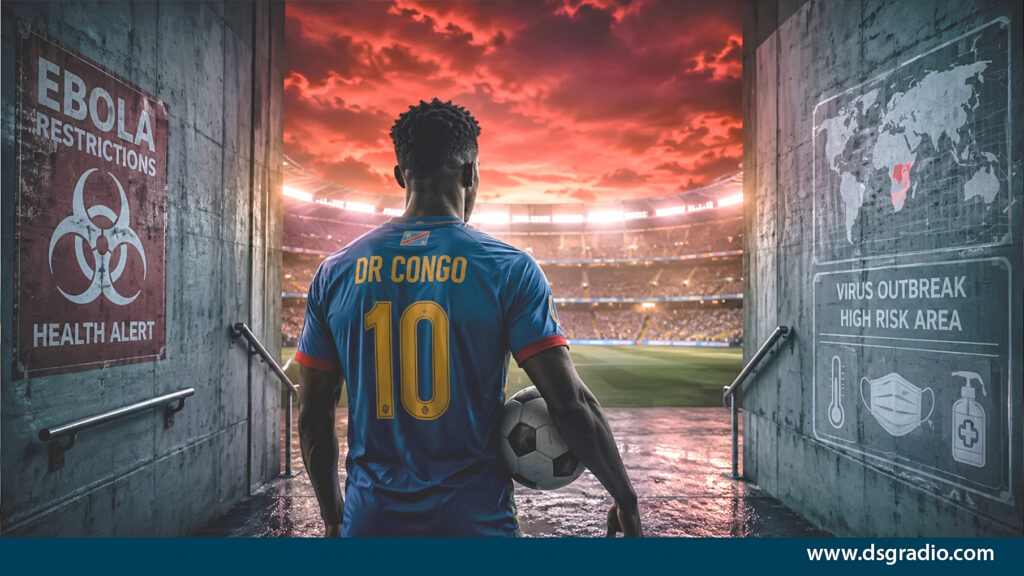
Ebola Concerns Reshape International Sports
The DR Congo World Cup situation reflects how disease outbreaks are increasingly influencing international sports planning.
In previous decades, football tournaments were largely viewed through political, economic, and security lenses. However, after the COVID-19 pandemic and repeated outbreaks of diseases such as Ebola, governments and sporting bodies now treat health preparedness as a core part of tournament security.
Health screening systems, emergency isolation protocols, vaccination requirements, and international travel checks have become common considerations for organisers of global sporting events.
The Ebola outbreak linked to concerns surrounding Central Africa has intensified scrutiny because of the disease’s high fatality rate and history of cross-border transmission fears.
Although Ebola outbreaks are usually geographically contained, governments often impose preventive travel measures to minimise potential risks. Those policies can affect airlines, tourism, athlete movement, and fan attendance.
For African teams competing internationally, the consequences can be especially complex.
Players may face:
- Additional health screenings
- Delayed visa approvals
- Travel uncertainty
- Insurance complications
- Public stigma connected to outbreak fears
Analysts say such measures can unintentionally subject African athletes to greater scrutiny than athletes from other regions.
Why the US Granted an Exception
The United States appears to be balancing two competing priorities:
- Protecting public health
- Preserving the integrity of the World Cup
Blocking a qualified national team from participating would likely trigger diplomatic backlash, legal disputes, and criticism from football governing bodies.
The World Cup is not only a sporting competition; it is also a major geopolitical and economic event involving governments, international organisations, sponsors, broadcasters, and millions of fans worldwide.
Officials are expected to rely on strict monitoring systems rather than outright exclusion.
Possible measures may include:
- Enhanced medical screenings
- Controlled travel corridors
- Team-specific health monitoring
- Rapid testing procedures
- Coordination with global health agencies
Details of the exact protocols were not fully specified in the original report.
Public health specialists argue that targeted health management systems are generally more effective than broad travel bans, particularly when dealing with athletes operating within tightly controlled environments.
FIFA and the Challenge of Health Security
The DR Congo World Cup case is also placing pressure on FIFA and tournament organisers to demonstrate that the competition can proceed safely without discrimination or unnecessary panic.
The 2026 FIFA World Cup is expected to be one of the largest editions in history, involving multiple host locations, expanded team participation, and massive international travel volumes.
That scale creates enormous logistical demands.
FIFA must now navigate:
- Public health preparedness
- Border policy differences
- International coordination
- Fan movement management
- Emergency response planning
The organisation has faced growing calls to establish clearer health contingency frameworks for future tournaments.
Experts believe future World Cups and continental competitions may permanently include:
- Biosecurity task forces
- Disease surveillance partnerships
- Health emergency playbooks
- Integrated medical screening systems
The evolving situation highlights how sports governance increasingly overlaps with global health policy.
African Football and Representation Concerns
The DR Congo World Cup story has also revived conversations about how African nations are perceived during international health crises.
Critics argue that outbreaks originating in African regions can sometimes generate disproportionate global fear compared to similar health risks elsewhere.
Football supporters across Africa have expressed concern that excessive restrictions could affect:
- Team preparation
- Fan travel
- Sponsorship opportunities
- International perception
For DR Congo, qualification for a major international tournament would represent more than football success.
It would symbolise:
- National pride
- Regional representation
- Sporting resilience
- International visibility
Supporters fear that health-related narratives could overshadow the achievements of African athletes.
At the same time, health experts stress that disease monitoring and preventive measures remain necessary to protect players, officials, and spectators.
Balancing those priorities remains one of the biggest challenges facing tournament organisers.
For readers seeking a broader background on Ebola outbreaks and transmission risks, DSG HERALD previously examined the issue in its explainer on the Ebola virus.
Lessons From Past Global Health Crises
The sports world has increasingly become a testing ground for crisis management.
COVID-19 disrupted leagues, postponed tournaments, emptied stadiums, and forced sporting organisations to redesign operations worldwide.
That experience permanently changed how governments and sports administrators approach international events.
Now, even localised outbreaks can trigger global discussions about:
- Border policy
- Public safety
- Event insurance
- Emergency preparedness
- International cooperation
The DR Congo World Cup issue may become an important case study for future sporting events.
Health analysts believe organisers are attempting to avoid the mistakes seen during earlier global crises, where delayed responses and inconsistent policies created confusion.
At the same time, sports officials are under pressure to avoid policies viewed as discriminatory or politically motivated.
Future Implications for Global Sports
The broader implications extend far beyond one football team.
Major international competitions increasingly face a future where:
- Health security becomes central to planning
- Governments maintain flexible border restrictions
- Athletes operate under stricter medical oversight
- Fans encounter additional travel requirements
Experts say sporting diplomacy will likely become more intertwined with public health strategy over the coming decade.
Future tournaments may require:
- International health certification systems
- Real-time outbreak monitoring
- Emergency quarantine facilities
- Advanced medical coordination between nations
The DR Congo World Cup situation demonstrates how quickly health concerns can influence global sports narratives.
What began as a football participation issue has evolved into a wider conversation about preparedness, fairness, and international cooperation in a rapidly changing world.
Details surrounding future screening protocols and FIFA contingency measures remain unclear.
This could not be independently verified beyond the primary reports currently available.
Recommended Coverage
- UK Detects First Lassa Fever Case Amid Health Concerns
The emergence of cross-border infectious disease cases highlights growing concerns about international travel and outbreak surveillance. - Uganda’s Ebola Cases Rise During Ongoing Outbreak
Uganda’s Ebola response provides additional regional context to Africa’s ongoing public health monitoring efforts. - Mysterious Illness in DR Congo Raises Alarm
Health authorities continue investigating deadly illnesses in parts of DR Congo amid broader regional disease concerns. - Africa’s Medical System Faces Growing Pressure
Medical experts warn that healthcare infrastructure challenges across Africa could complicate future outbreak responses.
About the Author