Nigeria Security Crisis Spurs Fresh Push for Forest Guards, State Police and Security Reforms
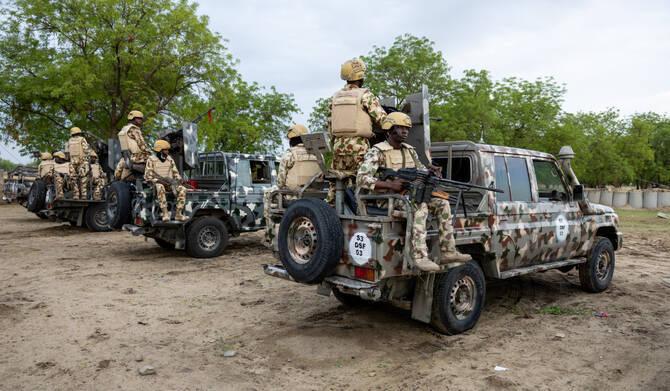
ABUJA — The Nigeria Security Crisis took center stage in the House of Representatives on Tuesday as lawmakers proposed a broad package of security reforms, including the recruitment of forest guards, expanded surveillance technology and renewed discussions on state policing, amid rising attacks, kidnappings and community displacements across several parts of the country.
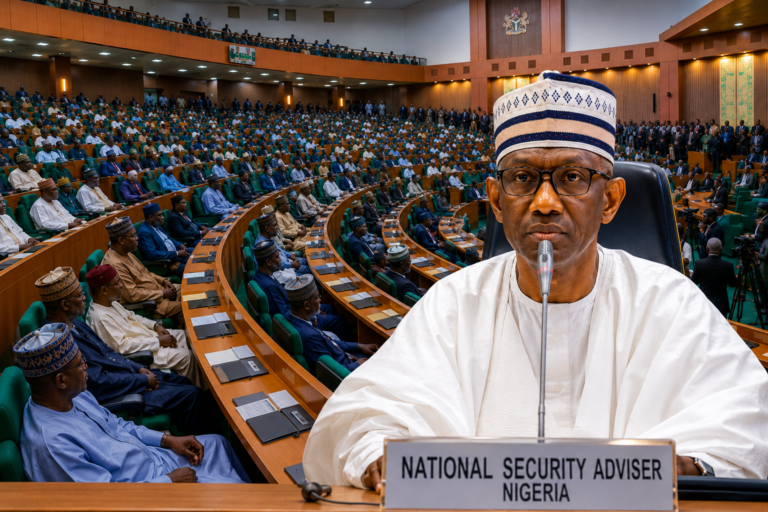
The debate followed growing concerns over persistent insecurity in parts of the North-West and other regions, where communities continue to face threats from bandits, kidnappers and other armed groups. While lawmakers also summoned the nation’s service chiefs and National Security Adviser Nuhu Ribadu to explain ongoing security efforts, the broader focus shifted toward what many legislators described as the urgent need for structural reforms to address long-term security challenges.
The discussions reflected increasing concern within the National Assembly that conventional military operations alone may not be sufficient to reverse worsening security trends affecting communities, schools, farms and transportation routes.
Rising Attacks Renew Security Concerns Across the North-West
Several lawmakers painted a troubling picture of the security situation, citing recent attacks across Zamfara, Sokoto, Katsina, Kaduna, Kano, Kebbi and Jigawa states.
According to lawmakers, many affected communities continue to experience recurring attacks despite ongoing military deployments and security operations.
The House heard reports of coordinated attacks by armed groups operating across remote communities and rural corridors. Lawmakers noted that these incidents have resulted in deaths, kidnappings, displacement of residents and disruptions to economic activities.
Particular concern was raised over recent incidents in Zamfara State, where communities have faced repeated attacks linked to armed bandit groups. Legislators also highlighted attacks in parts of Sokoto State where residents reportedly abandoned communities following repeated security threats.
The security situation has also affected educational institutions. During deliberations, lawmakers referenced the abduction of students from an off-campus hostel linked to the Federal Polytechnic, Kaura Namoda, raising fresh concerns about the safety of students and educational facilities.
Nigeria has experienced several high-profile school abductions over the past decade, drawing national and international attention to the vulnerability of learning institutions located in conflict-prone areas.
Security experts have repeatedly warned that attacks on schools have long-term consequences that extend beyond immediate security concerns. Such incidents can disrupt education, increase school dropout rates, and deepen existing challenges for out-of-school children.
The latest concerns come as communities across parts of northern Nigeria continue to struggle with the effects of insecurity on daily life, including restricted movement, reduced farming activities and declining local commerce.
Nigeria Security Crisis Revives State Police Debate
One of the most significant outcomes of the parliamentary discussions was the renewed push for state policing.
Several lawmakers argued that Nigeria’s centralised security framework has struggled to respond effectively to localised threats across the country’s diverse regions.
Supporters of state policing contend that locally controlled police structures could improve intelligence gathering, strengthen community engagement and enable faster responses to emerging threats.
The State Police Debate has remained one of Nigeria’s most contentious security discussions for years.
Proponents argue that governors and local authorities possess better knowledge of local terrain, communities and emerging risks. They believe that decentralized policing could provide security agencies with greater flexibility to address local challenges before they escalate.
Critics, however, have historically raised concerns about possible political interference, abuse of authority and uneven standards across states.
Despite these concerns, the worsening security environment has continued to fuel calls for reforms.
Several constitutional review efforts have previously examined the possibility of creating state police structures, but no final nationwide framework has yet been adopted.
For many lawmakers, the current Nigeria Security Crisis has added urgency to those conversations.
Advocates believe that strengthening local security institutions could complement existing federal security structures rather than replace them.
Forest Guards Recruitment Gains Legislative Support
Another proposal receiving strong support during the debate was Forest Guards Recruitment.
Lawmakers argued that vast forested areas across Nigeria have increasingly become safe havens for armed groups, allowing criminal networks to operate from locations that are difficult for conventional security forces to monitor continuously.
Supporters of the proposal believe trained forest guards could help close security gaps in remote areas and improve intelligence gathering.
The proposal aligns with broader discussions about securing ungoverned spaces that have become operational zones for bandits, kidnappers and other criminal groups.
Supporters argue that forest guards would not replace existing military or police operations but could serve as an additional layer of security focused on terrain-specific threats.
The idea has gained increasing attention in recent years as security agencies seek more localized approaches to combating criminal networks operating within forests and remote communities.
The proposal also reflects growing recognition that geography plays a major role in the country’s security challenges.
Large stretches of difficult terrain often present logistical challenges for security operations, making sustained monitoring more complex and resource-intensive.
Technology Seen as a Key Tool Against Insecurity
Lawmakers also emphasized the importance of technology-driven solutions in addressing security challenges.
Several members called for increased investment in surveillance infrastructure, intelligence gathering systems and monitoring technologies capable of improving threat detection and response.
Suggestions included the deployment of:
• CCTV networks
• Satellite monitoring systems
• Drone surveillance operations
• Real-time intelligence platforms
• Enhanced communication systems
Supporters of technology-based security measures argue that modern surveillance capabilities can help authorities track criminal movements, identify emerging threats and coordinate responses more efficiently.
Globally, many countries facing security challenges have increasingly integrated technology into national security strategies.
From border monitoring systems to artificial intelligence-assisted surveillance platforms, governments around the world have adopted digital tools to strengthen security operations.
In Nigeria, security analysts have often pointed to technology gaps as one factor limiting the effectiveness of security responses in remote areas.
Advocates argue that investments in surveillance infrastructure could improve situational awareness and support intelligence-led operations.
The emphasis on technology reflects a broader Security Strategy Review emerging within policy circles as authorities evaluate how best to address evolving threats.
Economic Impact of the Nigeria Security Crisis
Beyond the immediate human toll, lawmakers warned that insecurity continues to inflict significant economic damage.
Many affected communities rely heavily on agriculture, livestock production and local commerce.
When attacks occur, residents often abandon farms, markets and businesses, reducing economic activity and affecting household incomes.
Agriculture remains particularly vulnerable.
In several regions, farmers have reported difficulties accessing farmlands due to security fears. Reduced agricultural activity can contribute to food supply challenges and place additional pressure on food prices.
The economic implications extend beyond rural communities.
Transportation routes affected by insecurity can disrupt supply chains, increase logistics costs and discourage investment.
Analysts have repeatedly noted that security conditions play a major role in investor confidence.
As Nigeria seeks to strengthen economic growth and attract investment, security remains a critical factor influencing development outcomes.
Service Chiefs and Ribadu Expected to Explain Security Strategy
While the primary focus of the debate centered on reforms, lawmakers also demanded direct engagement with the nation’s security leadership.
The House resolved to summon the Chief of Defence Staff, Chief of Army Staff, Chief of Naval Staff, Chief of Air Staff and National Security Adviser Nuhu Ribadu to provide updates on efforts being made to address insecurity.
Lawmakers said they expect detailed explanations regarding current operations, strategic priorities and measures being implemented to improve security outcomes.
Several legislators expressed concern about the frequency of attacks despite ongoing military deployments.
Others questioned whether existing strategies require adjustment to reflect changing security realities.
The planned engagement is expected to provide lawmakers with an opportunity to assess current approaches and evaluate recommendations for future action.
The discussions also place additional pressure on the administration of President Bola Tinubu as public expectations remain high regarding improvements in national security.
Security Challenges Extend Beyond One Region
Although much of the parliamentary debate focused on the North-West, lawmakers emphasized that security concerns affect multiple regions.
Nigeria continues to face a range of security threats, including:
• Banditry
• Kidnapping for ransom
• Terrorism
• Communal violence
• Attacks on transportation corridors
• Threats against schools and places of worship
The diversity of these challenges has complicated response efforts and increased calls for a more integrated national security strategy.
Observers note that addressing insecurity may require a combination of military, intelligence, economic and social interventions.
Lawmakers echoed similar sentiments during Tuesday’s discussions, arguing that non-kinetic solutions should accompany security operations.
These include education initiatives, economic development programs, humanitarian interventions and efforts to address underlying drivers of instability.
What Comes Next for Nigeria’s Security Response?
The coming weeks could prove significant for Nigeria’s security policy discussions.
The House of Representatives has directed relevant committees to monitor implementation of resolutions and report back within two weeks.
Attention will likely focus on whether recommendations involving forest guards, surveillance investments and broader reforms gain traction within government circles.
The ongoing State Police Debate is also expected to remain prominent as policymakers continue examining options for improving security outcomes.
For affected communities, however, the central concern remains immediate safety.
Residents across vulnerable areas continue to look for tangible improvements capable of reducing attacks, restoring confidence and allowing normal economic and social activities to resume.
The Nigeria Security Crisis remains one of the country’s most pressing national challenges, touching virtually every aspect of governance, development and public welfare.
As lawmakers intensify calls for reform, attention will now turn to how security agencies, policymakers and the executive branch respond to growing demands for a more comprehensive and effective security framework.
For millions of Nigerians, the success or failure of those efforts could shape security conditions for years to come.
Related DSG HERALD Coverage:
• Borno Military Base Attack Sparks New Questions About Counter-Insurgency Efforts
https://dsgradio.com/borno-military-base-attack-sparks-fresh-security-debate/
• Forest Guard Initiative Gains National Attention Following Security Concerns
https://dsgradio.com/oyo-forest-guards-tinubu-unveils-new-security-push/
• School Security Fears Trigger Education Concerns in Oyo State
https://dsgradio.com/oyo-school-security-fears-trigger-teachers-strike/
Recommended Coverage
- Nigeria Security Crisis Deepens as Multi-State Attacks Spread
https://dsgradio.com/nigeria-security-crisis-deepens-as-multi-state-attacks-spread/
Why it matters: Provides broader context on the geographic expansion of insecurity across multiple states. - Kwara Monarch Abduction Sparks Security Alarm
https://dsgradio.com/kwara-monarch-abduction-sparks-security-alarm/
Why it matters: Highlights how insecurity is affecting traditional institutions and local leadership. - Tinubu Reaffirms Security Commitment in National Address
https://dsgradio.com/tinubu-easter-message-nigeria-security-pledge/
Why it matters: Explains the administration’s public position on security reforms and citizen protection. - Security Spending Remains Central to Federal Budget Priorities
https://dsgradio.com/president-tinubu-increases-2025-budget-to-%e2%82%a654-2-trillion-to-boost-economy-and-security/
Why it matters: Examines how budget allocations may influence future security operations and reforms.
About the Author