Iran US Peace Deal: Ceasefire Framework Opens Path to Permanent Negotiations
A major diplomatic breakthrough has emerged in the Middle East after the United States and Iran reached a framework agreement aimed at ending months of military confrontation and paving the way for a permanent peace settlement.
The Iran US Peace Deal centers on a tentative memorandum of understanding (MoU) that establishes an interim 60-day ceasefire while negotiators work toward a broader agreement addressing security, economic cooperation, and nuclear-related concerns. The development marks the most significant diplomatic progress between the two countries since hostilities escalated earlier this year.
According to reports from Reuters and other international media organisations, officials from both sides have effectively endorsed the framework ahead of a formal signing ceremony scheduled for Friday, June 19, 2026, in Switzerland.
The agreement has already triggered major reactions across global financial markets, energy sectors, and diplomatic circles, highlighting the international significance of the emerging settlement.
Iran US Peace Deal Brings Immediate Changes to Global Energy Routes
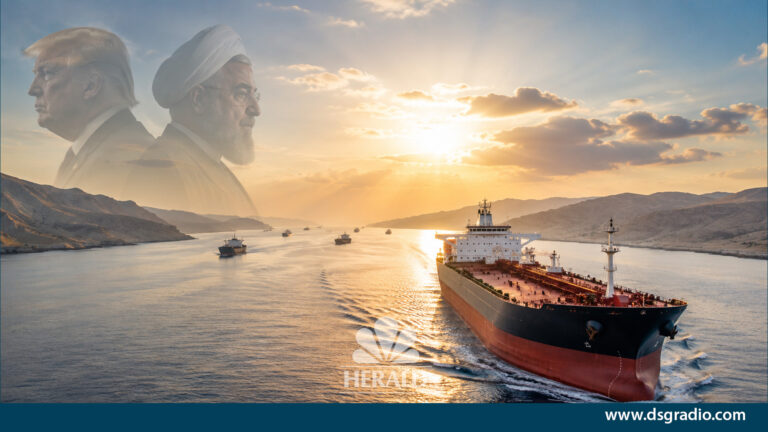
One of the most consequential aspects of the agreement involves the reopening of critical maritime trade routes.
The Strait of Hormuz, one of the world’s most important energy corridors, is expected to be fully operational by Friday after months of disruption linked to the conflict.
The strategic waterway handles a significant portion of global oil shipments, making its stability vital for energy security across Asia, Europe, Africa, and North America.
The United States has also lifted its naval blockade of Iranian ports, ending a restriction that had significantly constrained Iranian exports.
Shipping intelligence firm TankerTrackers reported that Iranian supertankers have already begun departing the former blockade zone carrying millions of barrels of crude oil. The resumption of exports is expected to restore substantial volumes of oil to international markets.
For energy-importing nations, including many African countries, the reopening of shipping lanes may help reduce pressure on fuel supply chains and stabilise energy prices.
Markets Rally as Economic Tensions Ease
Financial markets reacted swiftly to news of the ceasefire framework.
Global equities posted gains as investors welcomed the reduction in geopolitical risk. Meanwhile, Brent crude oil prices reportedly fell below $80 per barrel as concerns over potential supply disruptions eased.
Energy analysts have long warned that prolonged instability involving Iran and the Strait of Hormuz could trigger significant price shocks affecting transportation, manufacturing, and food supply chains worldwide.
The apparent de-escalation has therefore been interpreted by investors as a positive signal for global economic stability.
An additional economic component of the agreement has drawn considerable attention: plans for a proposed $300 billion Reconstruction and Development Fund backed by private international investors.
Supporters argue that the initiative could create economic incentives for both parties to maintain peace and encourage long-term regional recovery.
While operational details remain limited, the proposed fund represents one of the most ambitious economic measures linked to a conflict-resolution process in recent years.
Sanctions Relief Could Reshape Iran’s Economy
A key feature of the framework involves the easing of restrictions on Iranian oil and fuel exports.
Reports indicate that Washington is allowing Tehran to resume energy sales immediately, potentially restoring a major revenue stream for the Iranian economy.
The move could provide much-needed economic relief after months of conflict-related disruptions.
Iran possesses some of the world’s largest oil and gas reserves, making its reintegration into global energy markets a significant development.
Analysts say increased Iranian exports could improve supply availability while helping moderate international energy costs.
However, experts caution that implementation details remain critical and that broader sanctions policies may still depend on the outcome of upcoming negotiations.
The exact scope and duration of the relief measures have yet to be fully outlined.
Regional Tensions Remain Despite Diplomatic Progress
Although the ceasefire framework has been welcomed internationally, significant regional disputes remain unresolved.
One of the most sensitive issues concerns southern Lebanon.
Iran has warned that continued Israeli military operations in the area could undermine the spirit of the agreement.
Tehran argues that ongoing military activity risks destabilising the fragile diplomatic momentum created by the ceasefire.
Israeli Prime Minister Benjamin Netanyahu has publicly expressed reservations about the emerging arrangement, stating that Israel does not fully share Washington’s position regarding the deal.
Netanyahu has maintained that Israeli troops will remain in designated security zones in southern Lebanon.
The disagreement highlights the complex regional dynamics surrounding the broader peace process.
Even as Washington and Tehran move toward negotiations, other regional actors continue to assess how the agreement may affect their own security interests.
Trump Publicly Criticises Netanyahu
Another notable development has been the emergence of visible differences between the United States and Israel over aspects of the agreement.
During the G7 Summit, U.S. President Donald Trump reportedly urged Israeli leaders to act more responsibly following military actions in Lebanon that resulted in civilian casualties.
The comments represented a rare public rebuke of Israel’s position during a period of heightened regional tensions.
Diplomatic observers suggest that Washington is attempting to preserve the ceasefire framework by discouraging actions that could provoke renewed escalation.
Whether these differences evolve into broader policy disagreements remains unclear.
However, the exchange underscores the challenges facing diplomats as they seek to transform a temporary ceasefire into a durable peace arrangement.
Nuclear Negotiations Will Shape the Next Phase
The current agreement is only the beginning of what is expected to be a difficult negotiation process.
Over the next 60 days, diplomats will focus on some of the most contentious issues in U.S.-Iran relations.
Central among them are Iran’s uranium enrichment activities and the possible return of United Nations nuclear inspectors.
These issues have long been at the heart of international concerns regarding Iran’s nuclear program.
Officials are expected to release the text of the memorandum of understanding in the coming days, providing greater clarity on the commitments made by both sides.
Diplomats hope that the interim ceasefire will create enough political space for substantive discussions on these topics.
Success could lay the foundation for a broader and more comprehensive agreement.
Failure could reignite tensions and undermine recent diplomatic gains.
Why the Deal Matters for Nigeria and Africa
The implications of the Iran US Peace Deal extend well beyond the Middle East.
For Nigeria, lower global oil price volatility could influence government revenue projections, foreign exchange dynamics, and fuel-related economic planning.
While Nigeria remains a major oil producer, fluctuations in international crude prices continue to affect public finances and investment decisions.
A more stable energy market may also help reduce inflationary pressures linked to transportation and logistics costs.
Across Africa, countries dependent on imported petroleum products could benefit from improved supply stability and potentially lower fuel costs.
The reopening of global shipping routes may also reduce uncertainty in international trade flows.
The broader lesson for many developing economies is that geopolitical stability often carries direct economic consequences far beyond the immediate conflict zone.
Readers interested in the possible impact on fuel prices can also explore Iran US Peace Deal: Will Nigerians Pay Less for Fuel? for further analysis.
What Happens Next?
Attention now turns to Switzerland, where representatives from both countries are expected to formally sign the agreement at the Buergenstock resort on June 19.
The signing ceremony will serve as an important test of political commitment from both sides.
If successful, negotiators will begin an intensive 60-day diplomatic process to address the most difficult outstanding issues.
International observers will be closely watching developments involving sanctions implementation, regional security concerns, nuclear oversight mechanisms, and compliance with ceasefire commitments.
For now, the framework agreement has achieved what many believed impossible only weeks ago: creating a credible pathway away from conflict and toward dialogue.
Whether the Iran US Peace Deal ultimately evolves into a lasting settlement will depend on the difficult negotiations that lie ahead. Yet its immediate impact on diplomacy, energy markets, and global stability is already being felt around the world.
Recommended Coverage
Trump and NATO: Growing Questions About America’s Security Commitments
Explore how debates surrounding U.S. alliances continue to influence global security calculations.
North Korea’s Nuclear Policy and International Security Risks
A closer look at how nuclear diplomacy remains a major challenge in international relations.
Nigeria’s Economy Under Tinubu: Progress or Crisis?
Examines the domestic economic environment that could be affected by changes in global energy markets.
Owerri West Development and Leadership Challenges
Analyzes governance and development priorities within one of Imo State’s fastest-growing areas.
Dr. Eberechukwu Uneze: Influence, Leadership and Impact
A profile of leadership, public service, and community impact in contemporary Nigeria.
About the Author