Iran US Peace Deal: How Falling Oil Prices Could Affect Nigeria
The Iran US Peace Deal announced on June 14, 2026, is already sending shockwaves through global energy markets, with crude oil prices falling and expectations rising that one of the world’s most strategically important shipping routes, the Strait of Hormuz, could soon return to normal operations. While the agreement primarily concerns Washington and Tehran, its implications extend far beyond the Middle East. For Nigeria, Africa’s largest oil producer, the development could influence government revenues, inflation trends, fuel costs, foreign exchange earnings, and broader economic stability.
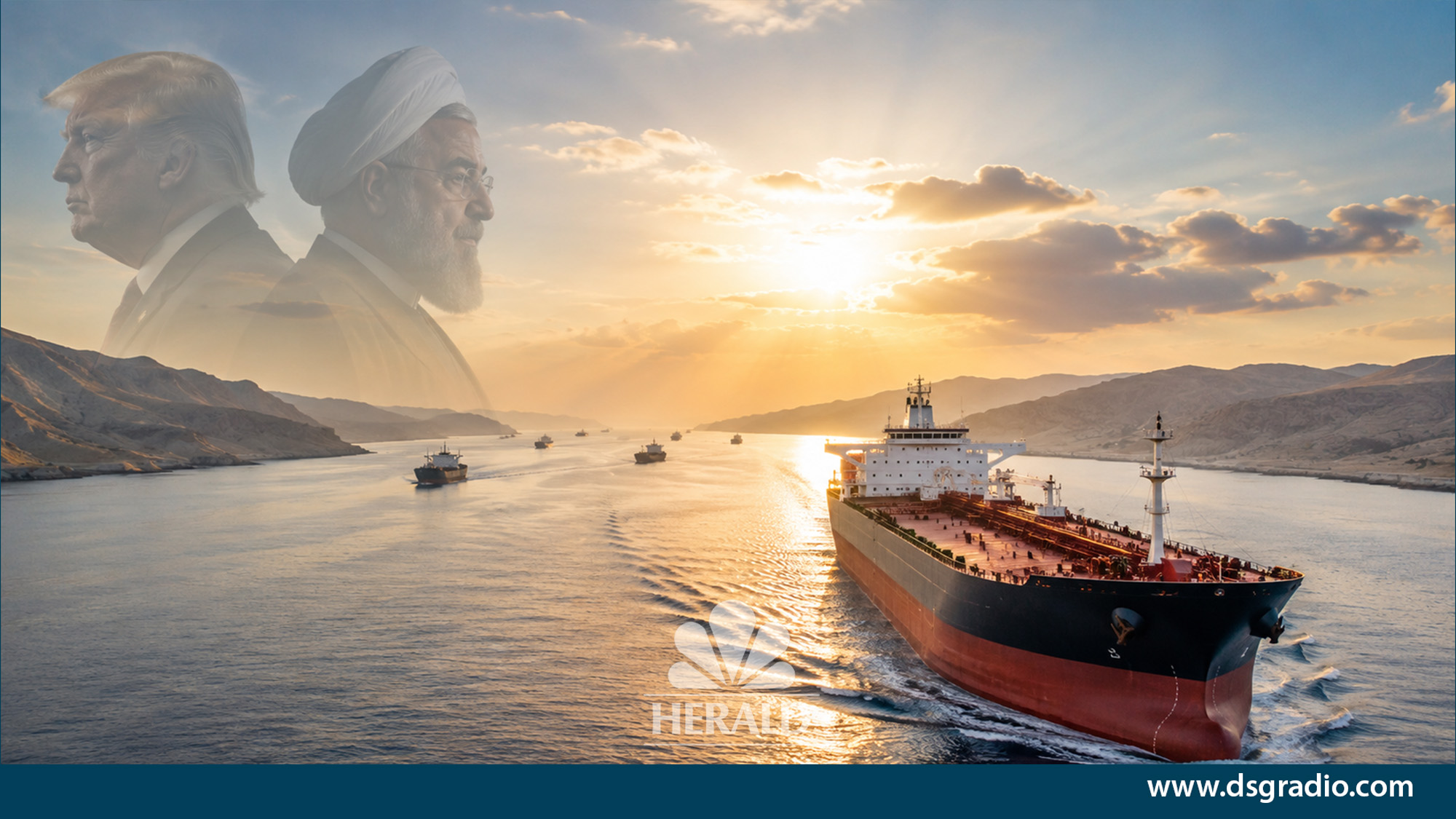
The agreement, confirmed by U.S. President Donald Trump and senior Iranian officials, aims to end months of conflict that disrupted energy markets and heightened fears of a wider regional war. The proposed memorandum of understanding is expected to be formally signed in Switzerland later this week, with mediators including Pakistan and Qatar playing significant roles in negotiations. According to reports from AP and CNN, both sides have agreed to end military operations and begin a broader diplomatic process that will address unresolved issues, including Iran’s nuclear program.
For global markets, the immediate consequence has been a decline in oil prices. For Nigeria, however, the picture is more complex.
Iran US Peace Deal Sparks Immediate Market Reaction
Financial markets reacted quickly to news of the agreement.
Brent crude reportedly fell by nearly four percent to around $84 per barrel, while U.S. crude recorded an even sharper decline. Investors interpreted the announcement as a sign that energy supplies could normalize after months of uncertainty surrounding the Strait of Hormuz, a waterway that handles a significant portion of the world’s oil and gas shipments.
The Strait of Hormuz has become one of the most strategically important locations in global commerce. Any disruption to traffic through the narrow corridor immediately affects energy prices, shipping costs, insurance premiums, and broader economic confidence.
During the conflict, fears of prolonged disruption pushed energy prices higher and raised concerns among governments, businesses, and consumers worldwide.
The peace agreement now offers a different possibility: increased oil flows, lower transportation costs, and reduced pressure on energy markets.
Why the Strait of Hormuz Matters to the Global Economy
Understanding the importance of the agreement requires understanding the significance of the Strait of Hormuz.
The waterway connects the Persian Gulf to international shipping routes and serves as a critical transit point for crude oil and liquefied natural gas exports from several major producers.
When tensions escalated between Iran, the United States, and Israel, commercial shipping became increasingly risky. Military operations, drone attacks, and naval restrictions created uncertainty that rippled through global supply chains.
The United States later imposed a naval blockade on Iranian ports after Iran maintained restrictions affecting maritime traffic. Trump confirmed that the blockade would be removed as part of the new agreement and authorized the reopening of the Strait of Hormuz.
For oil-importing countries, this development could provide relief.
For oil-exporting countries such as Nigeria, the impact is more nuanced.
What Lower Global Oil Prices Mean for Nigeria
Nigeria’s economy remains heavily dependent on petroleum exports despite ongoing efforts to diversify revenue sources.
Crude oil contributes significantly to:
- Government revenues
- Foreign exchange earnings
- Budget planning
- External reserves
- Investor confidence
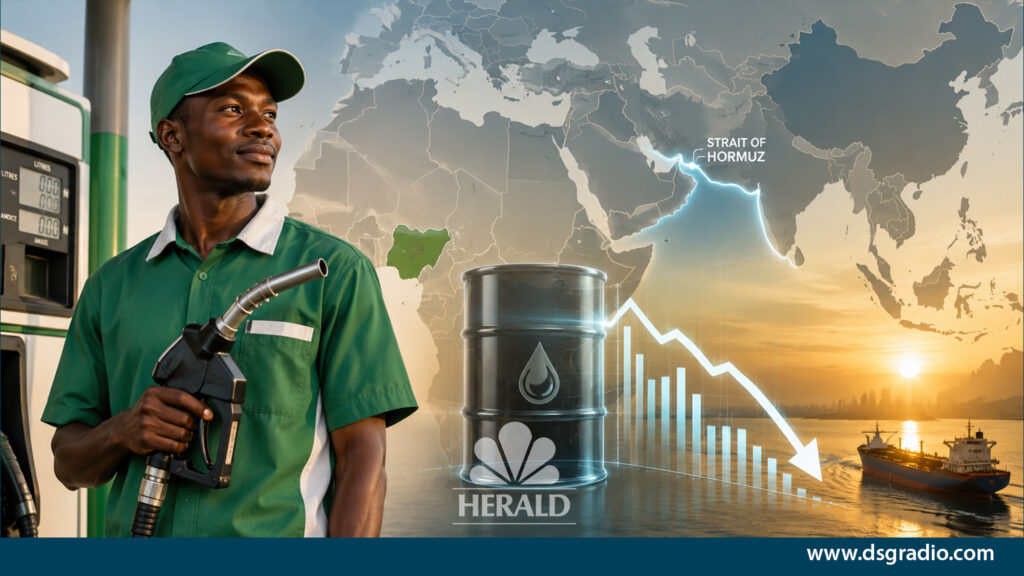
When oil prices rise, Nigeria generally earns more export revenue. When prices decline, government finances can come under pressure.
This means the Iran US Peace Deal presents both opportunities and challenges.
On one hand, lower oil prices could reduce inflationary pressures linked to energy costs.
On the other hand, a sustained decline in crude prices could reduce the amount of money flowing into government coffers.
For policymakers in Abuja, balancing these competing realities will be crucial.
Nigeria Economy Impact: The Revenue Question
One of the most immediate concerns involves federal revenue projections.
Nigeria’s fiscal planning relies heavily on assumptions about oil production levels and global crude prices. If prices fall significantly below budget benchmarks, government revenue collections could decline.
This matters because oil receipts help finance:
- Infrastructure projects
- Social programs
- Debt servicing
- Security spending
- State allocations
A prolonged decrease in crude prices could force adjustments to spending plans or increase pressure on non-oil revenue generation.
Economic analysts frequently note that Nigeria’s vulnerability to oil price swings remains one of the country’s biggest fiscal challenges.
The latest developments in the Middle East therefore carry consequences that extend directly into Nigeria’s economic planning framework.
Could Nigerians Benefit from Lower Fuel Costs?
For ordinary Nigerians, the most relevant question may be whether lower global oil prices translate into lower fuel costs.
The answer is not straightforward.
Fuel pricing depends on several factors, including:
- Global crude prices
- Exchange rates
- Refining costs
- Transportation expenses
- Regulatory policies
- Market competition
If crude prices continue falling and remain lower over an extended period, there could be downward pressure on fuel prices.
However, foreign exchange dynamics remain equally important. A weaker naira can offset some of the benefits associated with lower crude prices.
As a result, consumers may not experience immediate reductions at filling stations even if international oil benchmarks decline.
The Inflation Connection
Energy costs influence nearly every sector of the economy.
Transportation costs affect food prices.
Manufacturing expenses affect consumer goods.
Logistics costs affect retail pricing.
Therefore, any sustained reduction in global energy prices has the potential to support broader efforts to control inflation.
For Nigeria, where inflation has remained a major concern in recent years, lower energy costs could provide some relief across multiple sectors.
The extent of that benefit will depend on how long the peace agreement holds and whether oil markets remain stable.
How the Conflict Reached This Point
The agreement follows months of conflict involving Iran, the United States, Israel, and regional actors.
According to the primary source material, the war began on February 28, 2026, and escalated through missile attacks, drone operations, naval restrictions, and broader geopolitical confrontations.
A ceasefire was reached in April, but tensions persisted.
Negotiations continued amid ongoing disagreements over sanctions, regional security, and Iran’s nuclear activities.
The situation became even more complicated as Israeli operations against Hezbollah in Lebanon threatened diplomatic progress.
Despite these challenges, mediators from Pakistan, Qatar, Saudi Arabia, and Turkey helped advance discussions that ultimately produced the current framework agreement.
Political Implications Beyond the Middle East
The agreement carries major political significance.
For President Donald Trump, the deal provides an opportunity to demonstrate diplomatic success ahead of key political challenges in the United States.
Reports indicate that the administration wanted a framework agreement before the G7 summit in France, where energy security and geopolitical stability were expected to dominate discussions.
For Iran, the agreement offers an opportunity to reduce economic pressure and restore access to international markets.
Yet major issues remain unresolved.
The future of Iran’s nuclear program continues to be one of the most contentious questions in international diplomacy.
Iran reportedly retains significant quantities of enriched uranium, while Washington continues to insist on safeguards and oversight measures.
What Africa Should Watch
African governments are monitoring the situation closely.
Many African economies remain vulnerable to fluctuations in global energy prices.
Oil-importing countries often benefit from lower crude prices, while oil-exporting nations can experience reduced revenues.
The Iran US Peace Deal therefore creates different outcomes across the continent.
For producers such as Nigeria, Angola, and Libya, lower prices may reduce export earnings.
For importing economies, reduced energy costs may help ease inflation and improve economic performance.
This illustrates how developments thousands of kilometers away can directly affect African households and businesses.
Conclusion: Opportunity and Uncertainty
The Iran US Peace Deal marks one of the most significant geopolitical developments of 2026. By paving the way for the reopening of the Strait of Hormuz and ending the U.S. naval blockade, the agreement has already begun reshaping global oil markets.
For Nigeria, the implications are mixed.
Lower global oil prices could help reduce inflationary pressures and ease some energy-related costs. At the same time, reduced crude revenues could challenge fiscal planning and government finances if prices continue to decline.
Much will depend on whether the agreement survives the next phase of negotiations, how quickly shipping traffic normalizes, and whether broader disputes over Iran’s nuclear program can be resolved.
What is clear is that the Iran US Peace Deal is not merely a Middle Eastern diplomatic story. It is an economic story, an energy story, and a Nigerian story—one whose effects could be felt from global trading floors to households across Africa.
Recommended Coverage
- US Exit From NATO Debate Raises New Global Security Questions
Examines how evolving American foreign policy could reshape international alliances and global stability. - US-Iran Ceasefire 2026: Understanding the Two-Week Truce
Provides background on the temporary ceasefire that helped create conditions for broader negotiations. - North Korea Nuclear Policy Sparks Global Security Alarm
Explores how nuclear diplomacy continues to influence geopolitical risk across multiple regions. - Nigeria’s Economy Under Tinubu: Progress or Crisis?
Analyses the domestic economic conditions that could shape how Nigeria responds to changing oil prices. - Hamas in Gaza: Politics and the Human Cost of War
Offers additional context on how prolonged regional conflicts create humanitarian and economic consequences.
About the Author