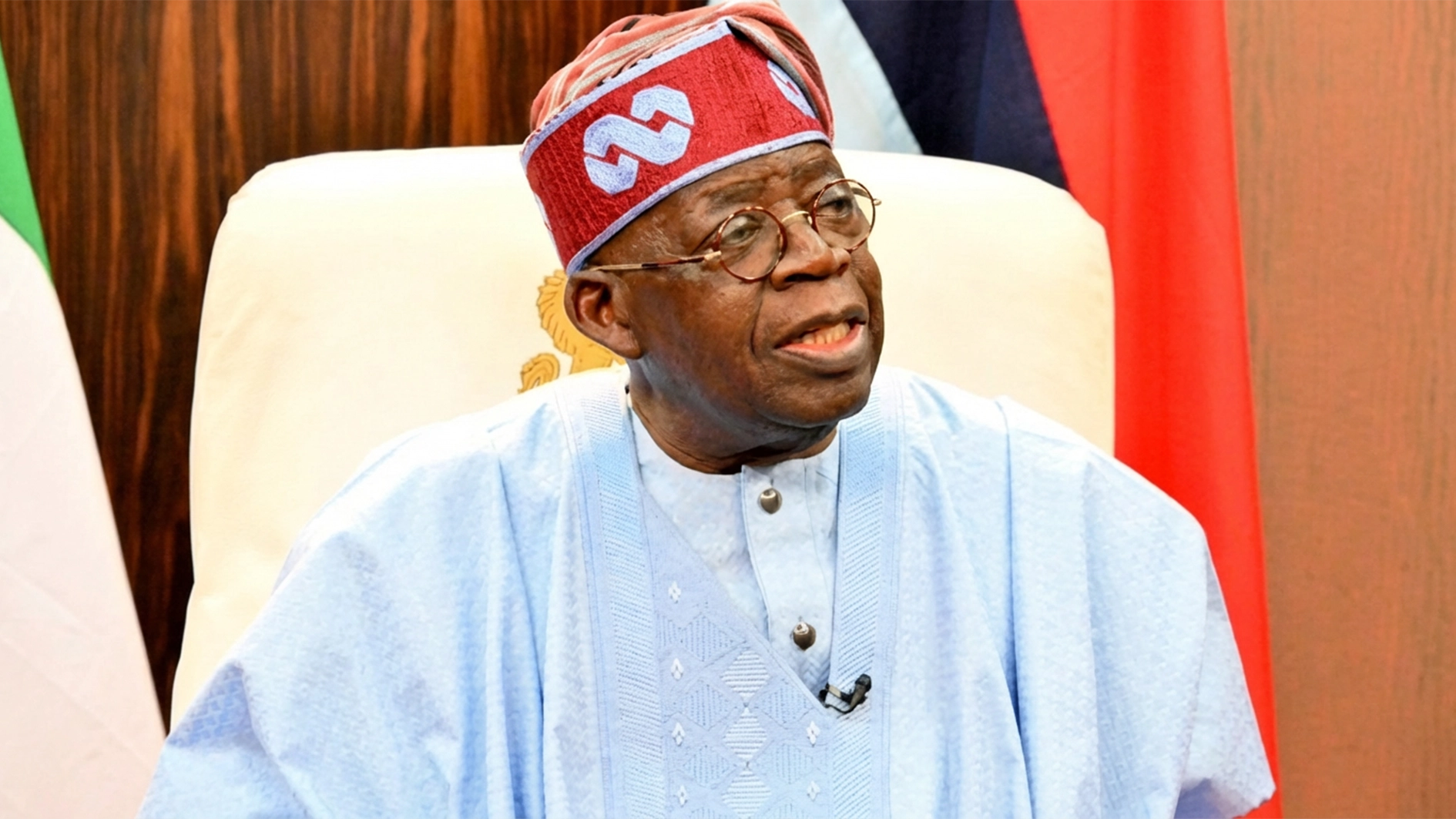
The Tinubu administration inherited an economy struggling with numerous challenges, including rising inflation, a devalued Naira, and rising unemployment. As Nigeria’s president, Bola Ahmed Tinubu faces the monumental task of turning the economy around while navigating global economic pressures, domestic unrest, and policy reform.
This article aims to evaluate Nigeria’s economy under President Tinubu’s leadership, focusing on his economic policies and governance strategies and their potential long-term effects. The country’s economic performance is often intertwined with its political environment, so assessing the administration’s actions is crucial for understanding Nigeria’s path forward.
By examining key reforms such as the removal of fuel subsidies, tax policies, and the attempt to stabilise the national currency, we will provide a comprehensive overview of Nigeria’s economic landscape today. This analysis seeks to answer whether the policies under Tinubu’s leadership will steer Nigeria toward financial stability or further crisis.
The Economic Landscape Under Tinubu
Nigeria has long struggled with economic instability fueled by external shocks, poor governance, and resource mismanagement. As the most populous nation in Africa and one of the largest economies on the continent, Nigeria’s economy has profound implications for its citizens and the broader region.
President Tinubu inherited an economy grappling with inflation rates above 20%, widespread poverty, a reliance on oil revenues, and high unemployment. These issues were further compounded by global economic challenges, such as fluctuating oil prices and supply chain disruptions caused by the COVID-19 pandemic. These factors created a situation in which many Nigerians hoped the new administration could lead the country toward economic recovery.
Economic Reforms and Challenges
The Tinubu administration has begun implementing several reforms addressing Nigeria’s economic woes. One of the first bold steps taken was the removal of the controversial fuel subsidy. Fuel subsidies had long been a drain on government finances but were also seen as a means of maintaining public support. The subsidy system cost the government billions of dollars each year, and removing it was considered necessary but painful.
The subsidy removal led to an immediate increase in fuel prices, which sparked protests and unrest. However, the government argued that eliminating the subsidy would help redirect funds to critical infrastructure, health, and education. The question remains: Will this reform yield long-term benefits, or will the backlash damage the government’s credibility?
The Role of the Oil Industry in Nigeria’s Economy
Nigeria has long been dependent on oil exports as its primary source of revenue. Despite the push for diversification, oil remains central to Nigeria’s economy. The country is one of Africa’s largest oil producers, and fluctuations in global oil prices significantly affect national revenue.
The Tinubu administration has sought to enhance the country’s oil sector, focusing on improving the efficiency of the state-owned oil company, NNPC (Nigerian National Petroleum Corporation), and addressing persistent issues of oil theft and pipeline vandalism. These issues have hindered the country’s ability to generate revenue and led to significant environmental damage.
Tinubu’s government is also looking to reform the oil sector to attract more foreign investment and boost oil production. However, with global shifts toward renewable energy, Nigeria faces the challenge of balancing its reliance on oil with the need for economic diversification.
Tax Reforms and Revenue Generation
A key component of the Tinubu administration’s economic policy is the push for tax reforms. Historically, Nigeria has had one of the lowest tax collection rates in the world. With over 200 million people, the government has struggled to raise enough tax revenue to meet its expenditure needs. This has led to an over-reliance on oil revenues, which, as mentioned earlier, is highly volatile.
The administration is improving tax compliance and expanding the tax base to address this. In 2023, the government announced plans to implement new tax policies to raise non-oil revenue. These include reforms to the Value Added Tax (VAT) system, tax incentives for businesses, and efforts to digitalise tax collection.
However, ensuring that these reforms are effective presents challenges. Nigeria’s tax system has been criticised for being complex, inefficient, and often inaccessible to small and medium-sized enterprises (SMEs). Furthermore, many Nigerians view taxes as a burden rather than a civic duty, making tax compliance difficult.
Monetary Policy and the Naira Crisis
Another critical area under the Tinubu administration is Nigeria’s monetary policy and the crisis surrounding the national currency, the Naira. The Naira has faced devaluation for years, with its value dropping significantly against the US dollar. In 2023, the Central Bank of Nigeria (CBN) introduced measures to unify the exchange rate and stabilise the Naira. However, these efforts have faced mixed results.
The central bank’s monetary policies have often been at odds with market realities, leading to a growing parallel foreign exchange market. The Naira’s decline has significantly affected inflation, making imported goods more expensive and eroding the purchasing power of Nigerian citizens. As a result, President Tinubu’s administration faces the challenge of restoring investor confidence in Nigeria’s financial system while maintaining the Naira’s stability.
The government is also focusing on improving the country’s foreign exchange reserves and tackling the high cost of doing business, which is often exacerbated by foreign exchange fluctuations. While these steps are commendable, whether they will result in long-term stability remains to be seen.
Infrastructure Development and Investments
Infrastructure development has been a cornerstone of the Tinubu administration’s economic agenda. The administration has prioritised completing major infrastructure projects, such as road networks, railways, and power generation facilities. The government’s focus is on building the physical infrastructure needed for economic growth, particularly in transportation and energy.
Nigeria’s infrastructure deficit has long been a barrier to economic development. For instance, the lack of reliable electricity has stunted industrial growth, while poor roads have hindered the movement of goods. The administration’s investments in these sectors aim to address these critical gaps.
However, the success of these projects depends on effective project management and sustainable financing. Nigeria has faced challenges with corruption, mismanagement, and insufficient funding, which have delayed many infrastructure initiatives in the past.
Social Impact and Public Welfare
While economic growth is a key priority for the Tinubu administration, the government also focuses on improving Nigerians’ social welfare. With poverty rates at alarming levels, the government has introduced various programs aimed at lifting people out of poverty and improving access to basic services.
The Social Investment Programmes (SIPs), which focus on providing cash transfers, food assistance, and vocational training, have been expanded under Tinubu. However, the success of these programs is often debated, with critics pointing to inefficiencies and the difficulty of reaching those in need.
In addition, healthcare and education remain two critical areas of focus. The administration’s policy of improving healthcare infrastructure and increasing investment in the education sector is seen as essential for creating a more prosperous and sustainable future for Nigeria’s growing population.
Progress or Crisis?
Nigeria’s economy under the Tinubu administration is marked by challenges and opportunities. While significant reforms have been initiated, the success of these policies remains uncertain. The removal of fuel subsidies, the push for tax reform, and the focus on infrastructure development are all positive steps. Still, risks, including potential public backlash and the need for careful execution, accompany them.
Ultimately, whether Nigeria’s economy is on the path to progress or facing a more profound crisis will depend on the effectiveness of these policies, the administration’s ability to foster public trust, and the global economic environment. President Tinubu’s success will be determined by how well his government navigates these challenges and implements sustainable solutions for the country’s long-term growth.
About the Author