Trump Bible Reading Highlights Faith, Politics, and Global Debate
U.S. President Donald Trump participated in a high-profile Trump Bible reading on April 21, 2026, delivering a passage from 2 Chronicles 7:14 as part of the week-long “America Reads the Bible” event marking the 250th anniversary of U.S. independence. The reading, recorded in the Oval Office and streamed nationally, has triggered renewed debate about the intersection of religion and politics in the United States and its global implications.
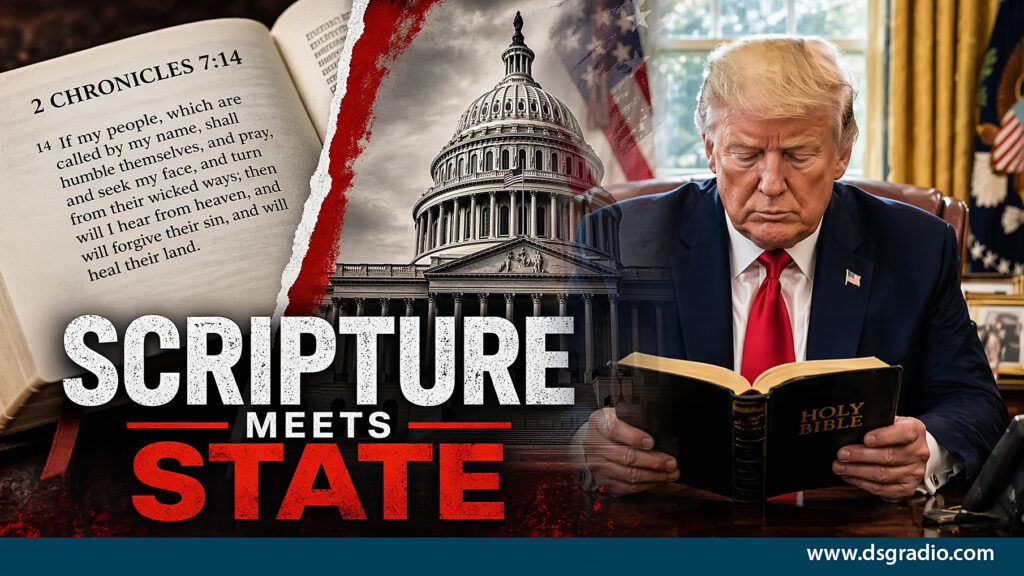
Inside the Trump Bible Reading Moment
The Trump Bible reading formed part of a continuous national event that began on April 18, 2026, featuring public officials, evangelical leaders, and political figures reading the entire Bible.
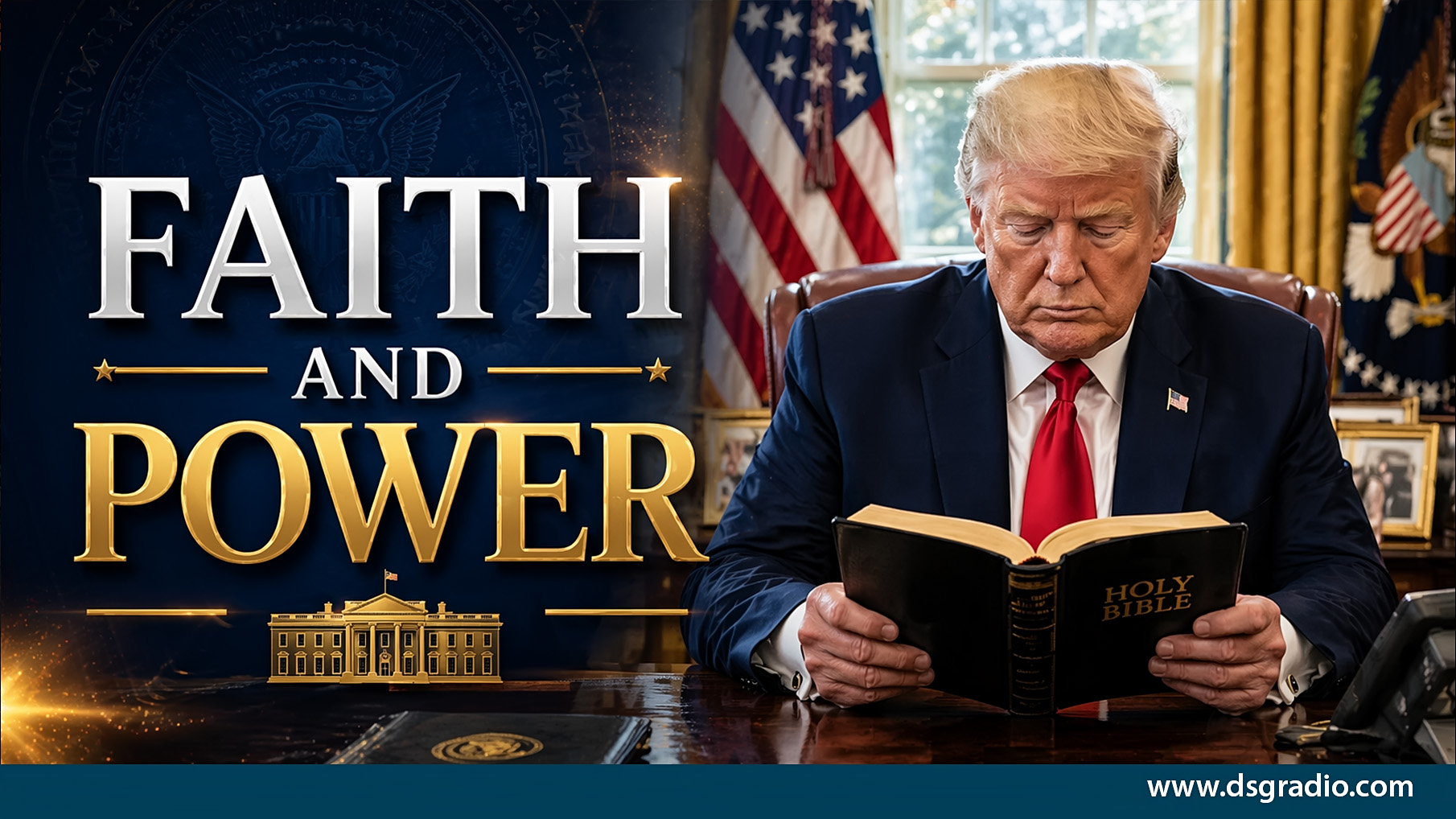
According to reports, Trump’s segment was pre-recorded in the White House’s Oval Office, where he appeared seated behind his desk, reading from an open Bible.
He read from 2 Chronicles 7:14, a passage widely associated with national repentance:
“If my people, which are called by my name, shall humble themselves, and pray… then will I hear from heaven, and will forgive their sin, and will heal their land.”
Trump described the Bible as being “indelibly woven into our national identity and way of life,” reinforcing a long-standing narrative within conservative political circles.
The America Reads Bible Event and Key Participants
The America Reads Bible event is a coordinated, week-long reading of the entire Bible, livestreamed from the Museum of the Bible in Washington, D.C., and other locations.
Participants include:
- Defence Secretary Pete Hegseth
- Secretary of State Marco Rubio
- House Speaker Mike Johnson
- Evangelical leaders such as Franklin Graham, Jack Graham, and Paula White-Cain
Organisers, including the nonprofit Christians Engaged, say the initiative is designed to encourage a “return to the spiritual foundation that has shaped our country.”
The event is tied directly to the broader America 250 celebrations commemorating 250 years of U.S. independence.
Trump Bible Reading and the Religion-Politics Debate
The Trump Bible reading has reignited long-standing debates over religion and politics in the USA, particularly the constitutional principle separating church and state.
Critics’ Perspective
Critics argue that:
- The event features a predominantly conservative and Republican lineup.
- It aligns with a broader Christian nationalist vision.
- It risks blurring the line between governance and religious identity.
Some commentators and faith leaders have questioned the political use of scripture, arguing that religious texts should not be deployed for ideological messaging.
Supporters’ Perspective
Supporters maintain that:
- The Bible has historically influenced American values.
- Public expressions of faith are consistent with national heritage.
- The event promotes moral reflection and unity.
This divide reflects a deeper ideological tension within American society over the role of religion in public life.
Why 2 Chronicles 7:14 Matters
The selection of 2 Chronicles 7:14 is central to understanding the significance of the Trump Bible reading.
Biblical Context
Originally, the verse was part of God’s message to ancient Israel during the reign of King Solomon, promising restoration if the people repented and returned to faith.
Modern Interpretation
In contemporary U.S. politics, the verse is often interpreted as:
- A call for national repentance
- A framework linking spiritual behaviour to national success
- A justification for faith-based political messaging
The verse has been frequently cited at National Day of Prayer events and conservative political gatherings.
A Broader Political and Cultural Context
The Trump Bible reading did not occur in isolation. It comes amid:
- Ongoing ideological divisions within the United States
- A strong alignment between evangelical voters and Republican politics
- Broader discussions about national identity
The Trump administration and its allies have consistently emphasised Christianity’s role in shaping American history, a position that remains contested among historians and political analysts.
Recent Controversies Surrounding Trump and Religion
The Bible reading follows recent controversies surrounding Trump’s use of religious imagery and leadership.
Jesus-like Image Controversy
Days before the event, Trump faced backlash for sharing a social media image depicting him in a Jesus-like form.
- Supporters described it as symbolic or artistic.
- Critics viewed it as inappropriate.
Trump later removed the image, stating he was depicted as a doctor, not Jesus.
Rift with the Pope
The event also follows a reported disagreement between Trump and Pope Leo XIV over geopolitical issues, including tensions related to Iran.
This adds an international dimension to the Trump Bible reading, highlighting differences within global Christianity.
Global Implications of the Trump Bible Reading
The impact of the Trump Bible reading extends beyond the United States.
Key Global Dimensions
- Religious Influence on Governance: Different nations interpret the relationship between faith and state differently
- Christianity’s Internal Divisions: Evangelical nationalism versus Catholic global perspectives
- Geopolitical Context: Religious narratives intersect with global conflicts and diplomacy
The event contributes to an ongoing global conversation about how religion shapes political identity and international relations.
The Symbolism of the Oval Office Setting
Trump’s decision to record the reading in the Oval Office carries symbolic weight.
The location:
- Represents executive authority
- Connects religious messaging with political power
- Reinforces the perception of faith as part of governance
Analysts note that such imagery can influence public perception, especially when tied to national celebrations like America 250.
Related Articles
You may also want to read:
- US-Iran Ceasefire 2026: Two-Week Truce Agreed
Explores the geopolitical tensions that form part of the broader context surrounding Trump’s recent global engagements. - Pope Leo vs Trump: Dispute and Africa Trip Explained
Provides insight into the religious and political tensions between Trump and the Vatican. - Strait of Hormuz Crisis Deepens as Iran-US Talks Stall
Examines the geopolitical backdrop influencing global reactions to U.S. leadership decisions. - Strait of Hormuz: Open But Not Free
Analyses the economic and security implications of ongoing tensions in the Middle East.
Conclusion
The Trump Bible reading on April 21, 2026, represents more than a ceremonial moment. It sits at the intersection of religion, politics, and national identity in the United States.
As part of the America Reads Bible event, it highlights:
- The enduring influence of religious narratives in American political life
- The deep divisions over the role of faith in governance
- The growing global relevance of these debates
While supporters frame the event as a return to foundational values, critics see it as a strategic alignment of religion and political power.
What remains clear is that the conversation sparked by this moment is far from over.
About the Author