Pope Leo Trump Dispute: Pontiff Rejects Debate Claims, Refocuses on Africa Mission
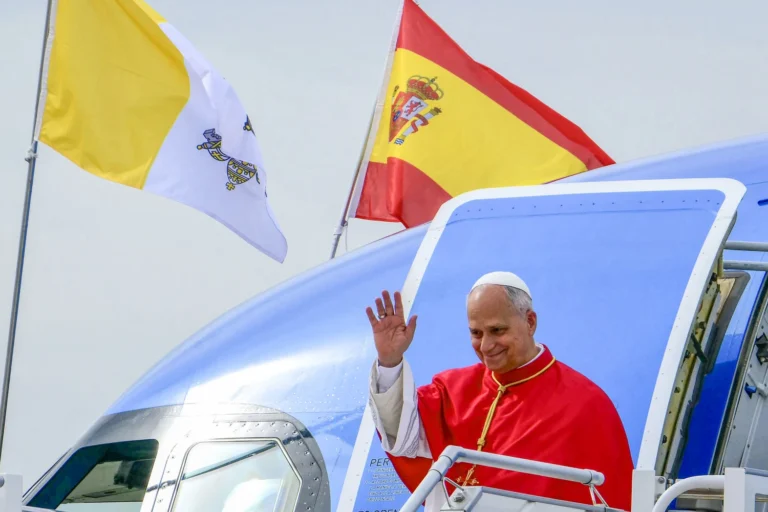
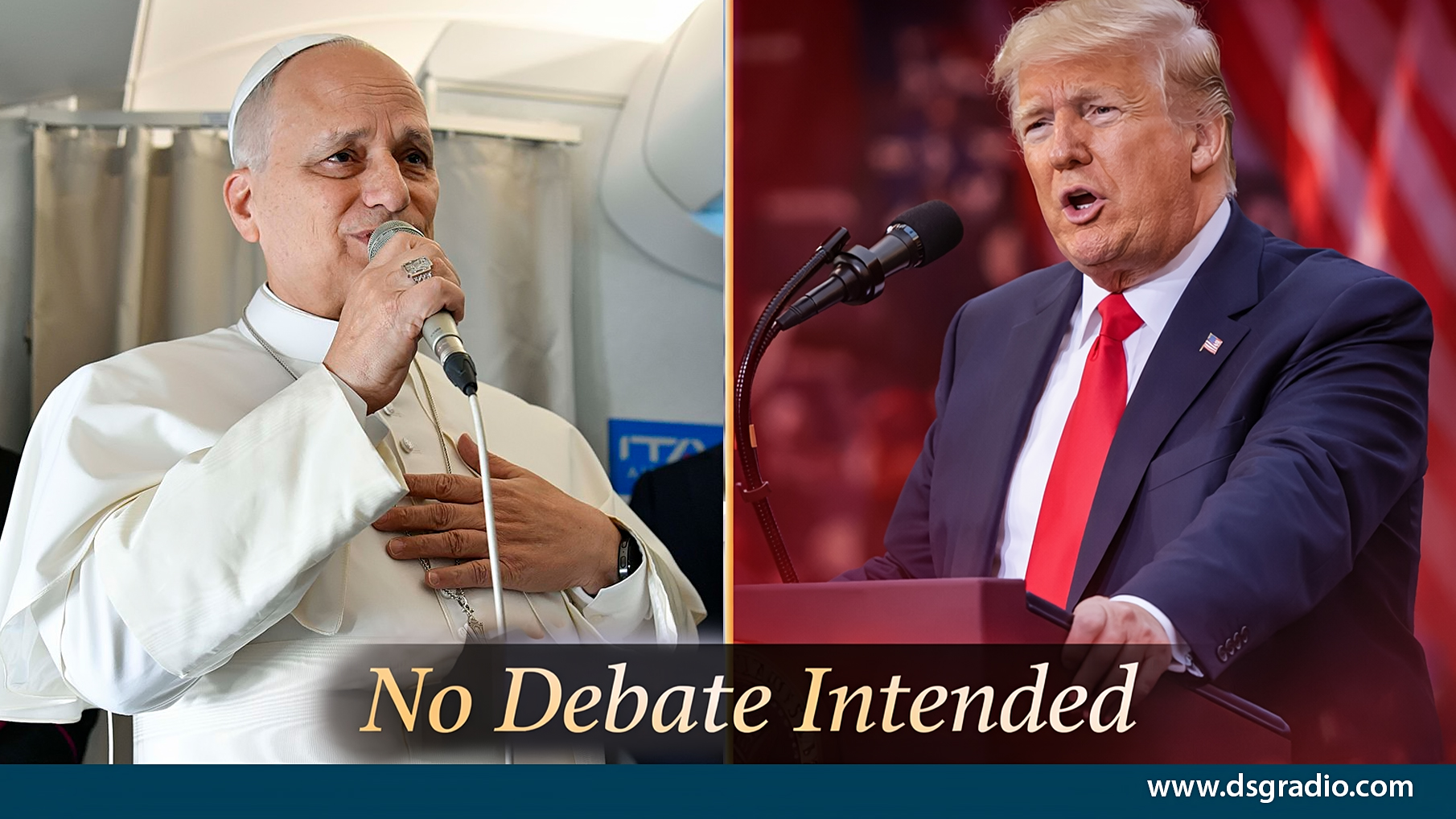
LUANDA, ANGOLA — The Pope Leo Trump dispute intensified over the weekend as Pope Leo XIV clarified that his recent criticism of global “tyrants” was not aimed at US President Donald Trump, insisting his Africa tour is centred on peacebuilding rather than political confrontation.
Speaking to journalists aboard a papal flight from Cameroon to Angola on Saturday, the first American pope said his remarks had been misinterpreted amid a broader political narrative shaped by Trump’s earlier criticism.
“It was looked at as if I was trying to debate the president, which is not in my interest at all,” Pope Leo said.
Pope Tyrant’s Speech Clarification Amid Political Tensions
At the heart of the Pope Leo Trump dispute is a speech delivered earlier in Cameroon, where the pontiff condemned leaders who prioritise warfare over humanitarian needs.
During a prayer gathering in Bamenda, he said:
- “Billions of dollars are spent on killing and devastation”
- Resources for “healing, education and restoration” remain neglected
- The world is trapped in an “endless cycle of destabilisation and death”
The pope also referred to “masters of war” who ignore the long-term consequences of destruction.
However, he stressed that the speech had been written two weeks before Trump publicly criticised him, distancing the message from any direct political response.
According to a primary compilation of reports, the Vatican believes a “certain narrative” incorrectly linked the remarks to the US president.
Vatican Trump Controversy: Timeline of the Dispute
The Vatican-Trump controversy escalated earlier in the week after sharp remarks from both sides.
Key developments:
- April 13: Pope Leo begins Africa tour across four countries
- Earlier in the week, Trump criticised the pope as “terrible for foreign policy”
- Trump also calls him “weak on crime” and posts a controversial AI-generated image
- The pope’s speech referencing “tyrants” was delivered in Cameroon
- The remarks are widely interpreted as targeting Trump
- Saturday: Pope Leo publicly rejects that interpretation
Trump responded by defending his right to disagree:
“The Pope can say what he wants… but I can disagree.”
U.S. Vice President JD Vance, a Catholic convert, welcomed the pope’s clarification, stating that media narratives often exaggerate conflict.
Pope Africa Trip Focus: Peace, Dialogue, and Faith
Despite the Pope Leo Trump dispute, the pontiff has repeatedly emphasised that his visit to Africa is not political.
“I primarily come to Africa as a pastor… to encourage and accompany Catholics,” he said.
The pope outlined key priorities of the trip:
- Promoting peacebuilding across conflict zones
- Encouraging interfaith dialogue and unity
- Supporting communities affected by insurgency and instability
- Strengthening the Church’s presence in Africa
His visit includes 11 cities across four countries, marking his longest international trip since becoming pope.
For deeper insight into the significance of the trip, see this analysis on
👉 why Pope Leo’s Africa tour matters
Cameroon Conflict Context and Global Implications
The pope’s remarks were partly rooted in the situation in Cameroon, a country grappling with nearly a decade-long insurgency in its Anglophone regions.
He described the area as “bloodstained,” highlighting:
- Prolonged violence
- Humanitarian crises
- Weak reconstruction efforts
By linking global military spending to local suffering, the pontiff broadened his message beyond any single country or leader.
This aligns with his earlier warning that escalating geopolitical tensions — including those involving Iran and the Strait of Hormuz — could lead to catastrophic consequences.
A previous DSG Herald report detailed how
👉 Trump attacked Pope Leo over Iran war concerns
Media Narratives and Misinterpretation Concerns
Pope Leo suggested that media coverage amplified the Pope Leo Trump dispute, creating what he described as “commentary on commentary.”
“Much of what has been written… has been more interpretation than reality,” he said.
This reflects a broader concern within the Vatican about how geopolitical tensions can distort religious messaging.
The pope also warned in a separate speech in Yaoundé that:
- Artificial intelligence could fuel polarisation and misinformation
- Society risks a “replacement of reality by simulation”
These remarks underscore his concern about how narratives — both political and technological — shape public perception.
Catholic Church Growth in Africa
The Africa tour highlights the continent’s growing importance to the Catholic Church.
- Africa is home to over 288 million Catholics
- This represents more than one-fifth of the global Catholic population
- Growth rates in Africa continue to outpace other regions
A related DSG Herald feature explores this expansion in detail:
👉 Catholic Church growth in Africa and its global impact
Global Reaction and Diplomatic Sensitivity
The Pope Leo Trump dispute highlights the delicate balance between religious authority and political power — particularly when both figures are American.
Key reactions include:
- JD Vance: Welcomed the pope’s clarification
- Trump: Maintained criticism but acknowledged the pope’s right to speak
- Vatican officials: Emphasised peace messaging over political engagement
While the clash has been described as “unprecedented,” it remains largely rhetorical rather than diplomatic.
Broader Implications of the Pope Leo Trump Dispute
The controversy raises important questions:
- Can religious leaders speak on global conflicts without political backlash?
- How should media interpret moral statements in politically charged contexts?
- What role does Africa play in shaping global religious discourse?
For Pope Leo XIV, the answer appears clear: his mission remains rooted in peace, not politics.
About the Author