US-Iran Ceasefire Crisis Deepens as Talks Stall and Strait Tensions Rise
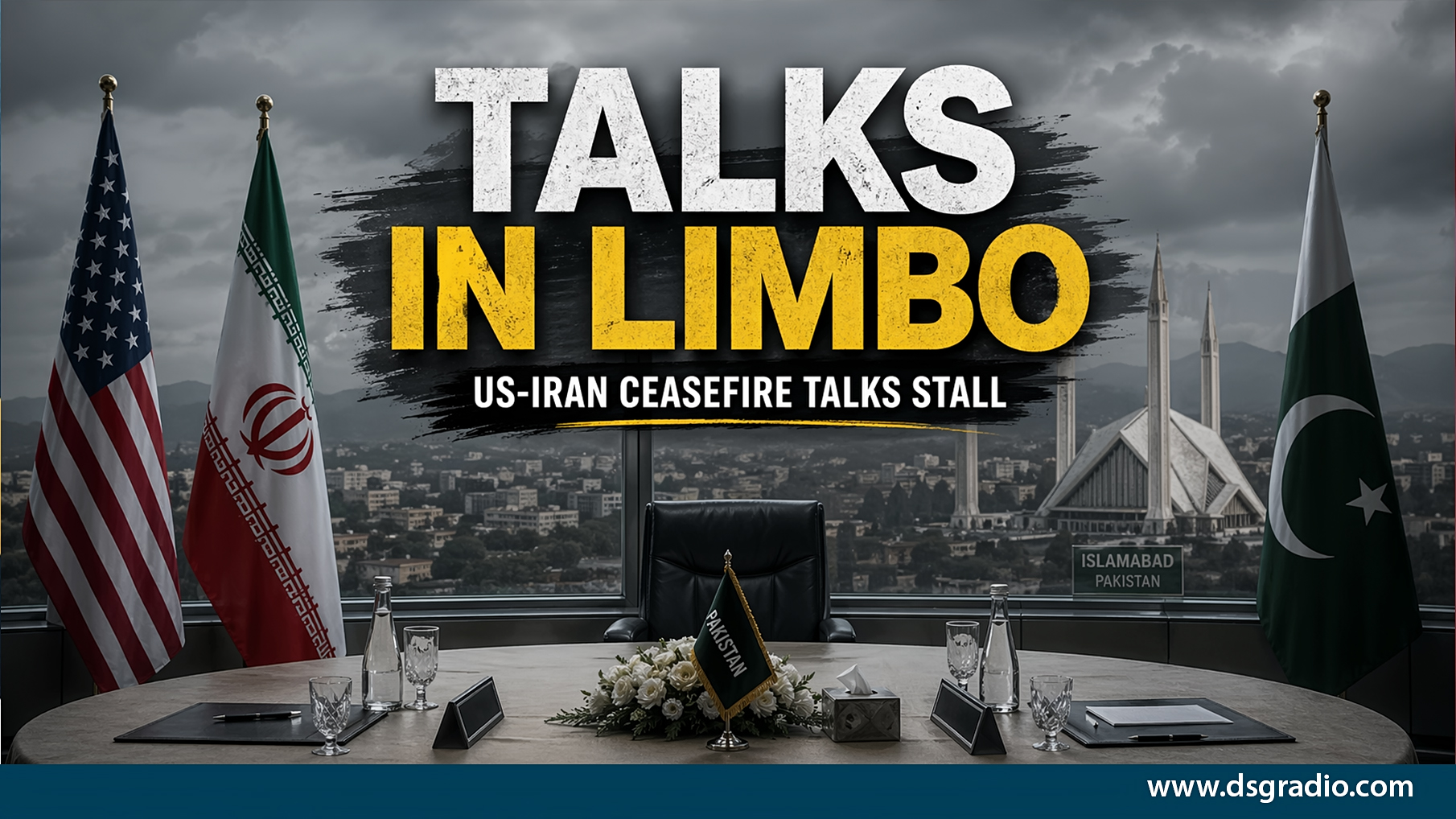
The US-Iran ceasefire crisis is intensifying as planned peace talks in Pakistan hang in uncertainty, Iran withdraws from negotiations, and both Washington and Tehran signal readiness to resume hostilities. The fragile truce, set to expire Wednesday, is at risk of collapse amid rising tensions over the Strait of Hormuz, naval confrontations, and escalating rhetoric from both sides.
Ceasefire Deadline Looms Amid Diplomatic Uncertainty
The two-week ceasefire between the United States and Iran is approaching its expiration with no clear diplomatic breakthrough.
- US Vice President JD Vance is expected to travel to Pakistan alongside senior officials, including Steve Witkoff and Jared Kushner, to revive negotiations.
- However, Iran has not confirmed participation, with state media indicating no delegation has departed for Islamabad.
- US President Donald Trump has suggested that extending the ceasefire is “highly unlikely.”
According to primary reports, Iran’s hesitation reflects deep mistrust, particularly amid ongoing military and economic pressure from Washington.
Despite uncertainty, Pakistan remains central to mediation efforts due to its diplomatic position between the two countries.
Iran Withdraws from Talks Following Naval Seizure
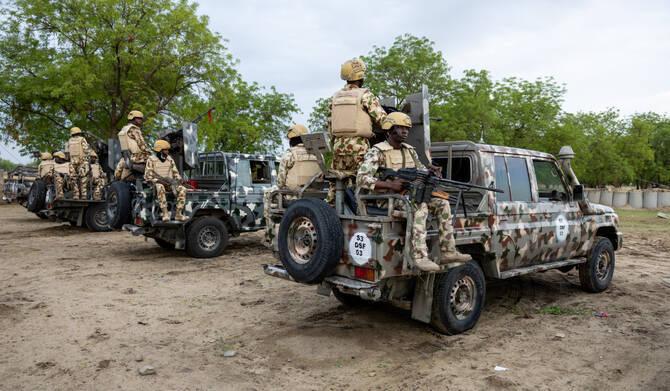
The situation deteriorated after the US Navy seized an Iranian-flagged cargo vessel near the Strait of Hormuz.
Tehran strongly condemned the move, demanding:
- Immediate release of the ship
- Freedom for its crew and sailors
- An end to what it describes as unlawful maritime aggression
Iran argues the seizure violates ceasefire terms, while the United States insists it acted within enforcement measures tied to its naval blockade.
This incident triggered Iran’s withdrawal from the second round of talks, significantly undermining diplomatic momentum.
Strait of Hormuz Tensions Drive Global Risk
The Strait of Hormuz, a critical global oil route, remains at the centre of the crisis.
- Iran previously restricted access to the waterway
- The US responded with a naval blockade of Iranian ports
- Iran’s Revolutionary Guard warned it may target vessels passing without approval
The waterway handles roughly:
- 20% of the global oil supply
- Key shipments of gas and fertilisers
Oil markets have reacted sharply:
- Brent crude dropped to around $95 per barrel
- Still nearly 40% higher than pre-conflict levels
This aligns with earlier DSG Herald coverage on how Strait of Hormuz tensions are deepening amid stalled Iran-US talks, highlighting the global economic stakes.
China’s President Xi Jinping has also called for maintaining “normal traffic” through the Strait, underscoring international concern.
War of Words Escalates Between Washington and Tehran
Rhetoric from both sides has intensified sharply.
President Trump warned:
- Iran would face “problems as they’ve never seen before”
- Military action could resume if negotiations fail
He also defended the blockade, stating it is costing Iran $500 million daily.
Meanwhile, Iran’s Parliament Speaker Mohammad Bagher Ghalibaf rejected negotiations under pressure, stating:
- Iran will not accept talks “under the shadow of threats”
- The country has prepared “new cards on the battlefield”
An Iranian military commander, cited by IRGC-affiliated media, accused Trump of:
- Spreading “false narratives”
- Being “desperate” for a ceasefire
These opposing narratives reflect a widening diplomatic gap, making immediate resolution unlikely.
Internal Pressures and Strategic Calculations
Inside Iran, political divisions are influencing the decision-making process.
- Hardliners are pushing for continued resistance rather than compromise
- Concerns persist about accepting terms tied to sanctions, missile programs, and regional influence
Meanwhile, the United States continues to insist that any agreement must ensure:
- Iran does not develop nuclear weapons
- Compliance with broader security demands
As reported by multiple international outlets, including a BBC live report, Iran is sending mixed signals—keeping diplomatic channels open while preparing for potential escalation.
Pakistan’s Role and Risks as Mediator
Pakistan has emerged as a key diplomatic venue for negotiations.
In Islamabad:
- Security has been heightened
- Public messaging reflects preparation for talks
- However, uncertainty remains about whether talks will occur
Pakistan’s role carries risks:
- Potential backlash from either side
- Increased geopolitical pressure
- Security concerns if talks collapse
Despite these risks, global powers, including China, support Pakistan’s mediation efforts.
Economic and Human Impact of the Crisis
The prolonged conflict and uncertainty are already affecting civilians and economies:
- Iran faces near-total internet restrictions, impacting livelihoods
- Trade disruptions are worsening the economic strain
- Global markets remain volatile due to oil supply uncertainty
Within Iran, vulnerable populations are reportedly bearing the brunt of the crisis, particularly amid sanctions and infrastructure disruptions.
What Happens Next?
The immediate future of the US-Iran ceasefire crisis depends on three key factors:
- Whether Iran agrees to attend the Pakistan talks
- US’s willingness to adjust the blockade and military posture
- Progress on key sticking points, including:
- Strait of Hormuz access
- Sanctions relief
- Security guarantees
If no agreement is reached before the ceasefire deadline:
- Both sides have indicated readiness to resume military operations
- Regional instability could escalate rapidly
- Global oil markets may face renewed shocks
Details remain unclear on whether last-minute diplomacy can prevent escalation.
Related Articles
You may also want to read:
- US Mine-Clearing Operations in Strait of Hormuz Intensify
Explores how military operations are shaping maritime security amid rising tensions. - US-Iran ‘Hell Threat’ Escalates Strait Crisis
Examines the sharp escalation in rhetoric and its implications for global stability. - Strait of Hormuz: Open but Not Free
Provides insight into restricted maritime access and its economic consequences.
About the Author