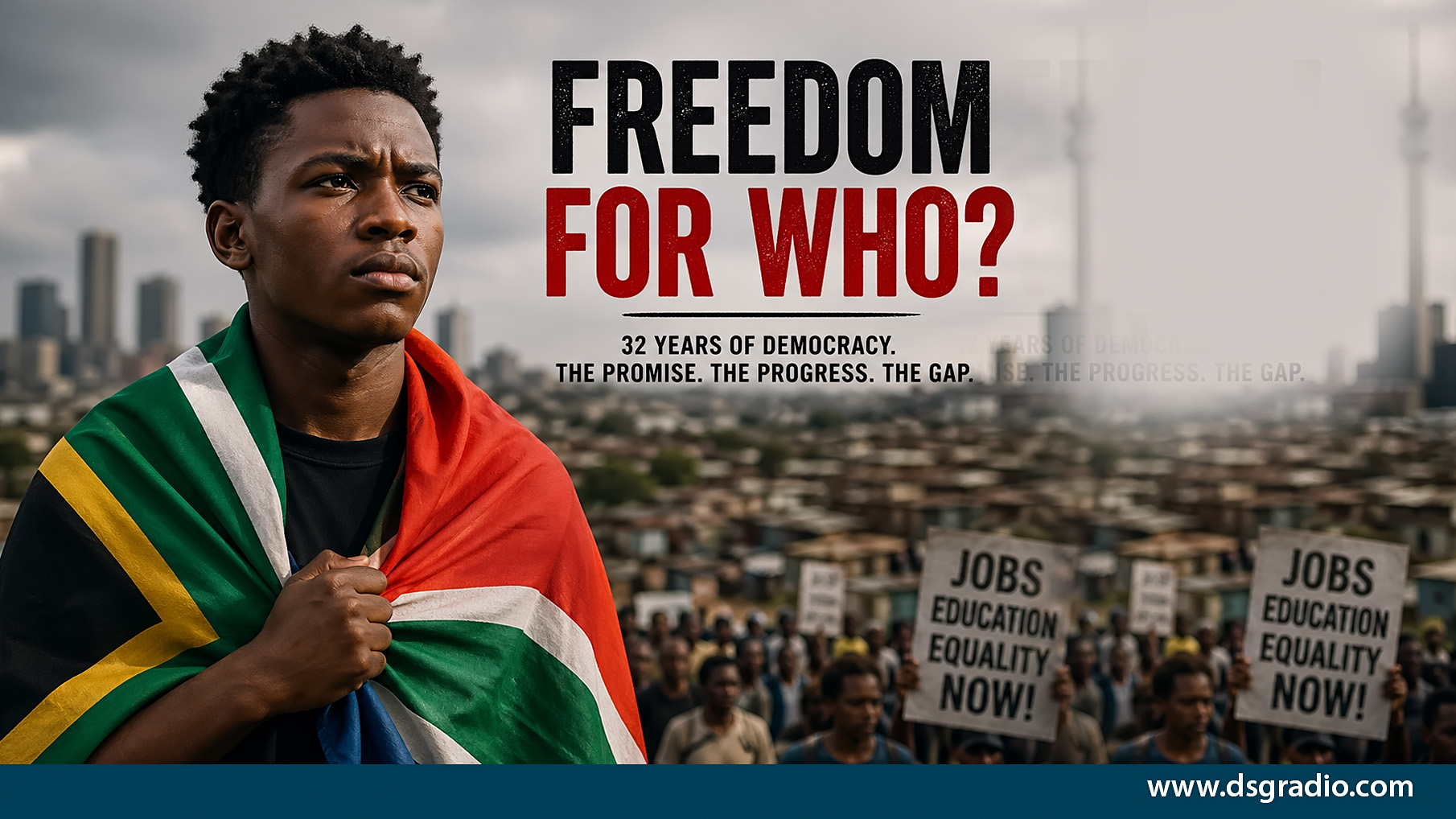
South Africa Freedom Day 2026: Progress, Inequality, and the Unfinished Promise of Democracy
South Africa Freedom Day 2026 marks 32 years since the historic end of apartheid and the country’s first democratic elections in April 1994. While the day remains a powerful symbol of liberation and equality, it also highlights enduring socio-economic challenges, raising questions about whether the promises of democracy have been fully realised.
A Nation Reflects on 32 Years of Democracy
Every year on April 27, South Africans commemorate Freedom Day, a national holiday celebrating the first time citizens of all races were allowed to vote in the 1994 democratic elections in South Africa.
The elections, held between April 26 and 29, 1994, saw nearly 20 million people cast their ballots, with international observers declaring them free and fair. The African National Congress (ANC) emerged victorious, and Nelson Mandela was inaugurated as South Africa’s first democratically elected president on May 10, 1994.
Freedom Day was first observed on April 27, 1995, and has since become a cornerstone of South Africa’s democratic identity, symbolising the end of apartheid South Africa and the beginning of a new political era.
According to historical records, including educational summaries such as those published by Britannica Kids, the elections marked the first time that all South Africans aged 18 and above were treated as equal citizens under the law.
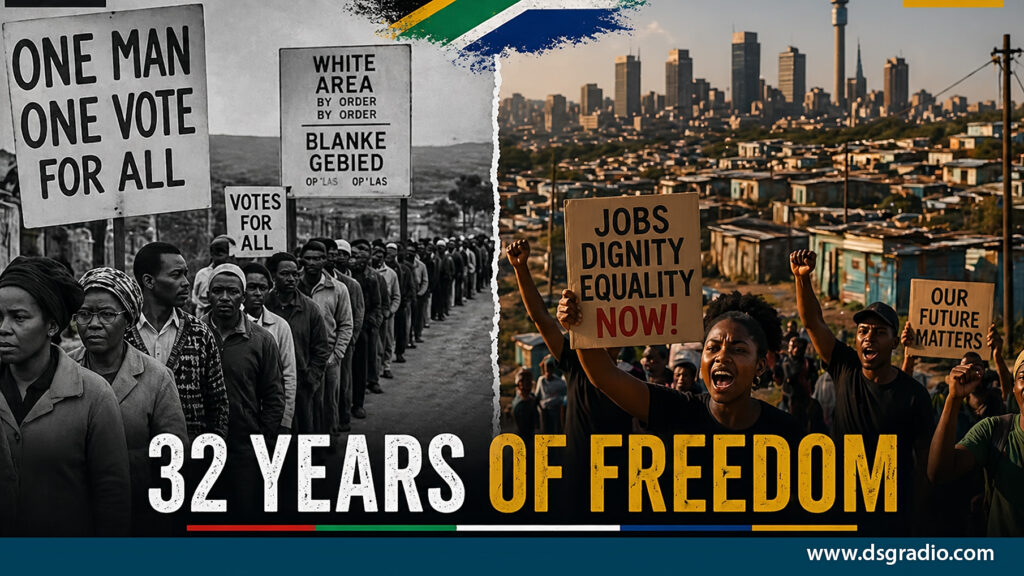
From Apartheid to Democracy: A Compressed History
South Africa’s transition to democracy followed decades of institutionalised racial segregation under apartheid, introduced by the National Party in 1948.
Key milestones included:
- The gradual dismantling of apartheid laws between 1991 and 1994
- Negotiations between the apartheid government and the liberation movements
- The establishment of a new constitutional order
This transformation ended more than 300 years of colonial domination and minority rule, reshaping South Africa into a constitutional democracy.
South Africa Freedom Day 2026: Celebration Meets Reality
While South Africa’s Freedom Day 2026 is widely celebrated, it also serves as a moment of reflection on the country’s persistent challenges.
Key Issues Defining Today’s Democracy
- Economic inequality: South Africa remains one of the most unequal societies globally
- Youth unemployment: A significant portion of young people struggle to find work
- Service delivery protests: Communities continue to demand better infrastructure and governance
- Political shifts: The ANC faces declining support amid rising opposition
These issues have transformed Freedom Day from a purely celebratory event into a platform for national introspection.
Voices of a New Generation
A generation born after apartheid—often referred to as “born frees”—has grown up without direct experience of racial segregation. However, many continue to face economic hardship and limited opportunities.
For this group, Freedom Day carries a different meaning:
- Less about liberation from apartheid
- More about access to jobs, education, and economic mobility
Analysts note that this generational shift is influencing political discourse and voter behaviour, particularly in recent elections.
Government Perspective vs Public Sentiment
Official statements typically emphasise:
- National unity
- Progress in constitutional democracy
- Achievements in human rights
However, public sentiment often reflects frustration over:
- Slow economic transformation
- Corruption concerns
- Persistent inequality
This contrast underscores the growing complexity of South Africa’s democratic journey.
Global Significance of Freedom Day
Freedom Day is often compared to major national milestones such as:
- Independence Day in the United States
- Bastille Day in France
These comparisons position South Africa’s transition as one of the most significant democratic transformations of the late 20th century.
Globally, the country’s peaceful transition from apartheid to democracy continues to be studied as a model for conflict resolution and political reform.
South Africa Democracy Challenges in Focus
The phrase South Africa democracy challenges increasingly dominates both domestic and international discourse.
Experts highlight several structural issues:
- High levels of income inequality
- Uneven economic development
- Governance inefficiencies
Despite these challenges, South Africa maintains strong democratic institutions, including:
- An independent judiciary
- A robust constitution
- Active civil society organizations
Looking Ahead: The Future of Freedom Day
As South Africa looks toward the next decade, key questions remain:
- Can economic inequality be meaningfully reduced?
- Will political reforms strengthen public trust?
- How will the youth shape the country’s future?
Freedom Day is evolving into more than a historical commemoration—it is becoming a measure of democratic performance.
South Africa Freedom Day 2026 stands as both a celebration and a reality check. While the country has achieved remarkable political transformation since the end of apartheid, the journey toward economic justice and social equality remains ongoing.
The legacy of April 27, 1994, endures—but its full promise is still unfolding.
🔗 Recommended Coverage:
- Ohanaeze Igbo King South Africa Debate Intensifies
Explores diaspora leadership and cultural identity debates within South Africa’s evolving socio-political landscape. - Ramaphosa Rejects White Persecution Narrative
Highlights political tensions and race discourse, key to understanding post-apartheid realities. - China Grants Tariff-Free Access to 53 African Nations
Examines economic opportunities shaping Africa’s future, including South Africa’s trade position. - Pope Leo’s Africa Tour: Faith and Politics
Provides insight into global influence and moral leadership impacting African democracies.
About the Author