Strait of Hormuz Crisis Deepens as US Launches ‘Project Freedom’
Global energy markets on edge as shipping route tensions rise
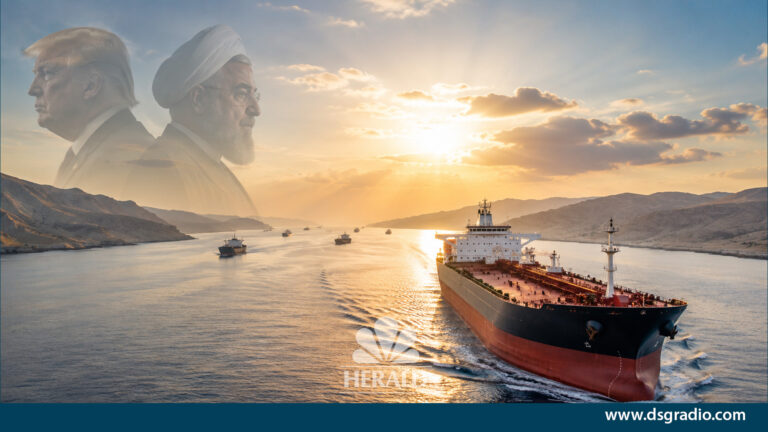
Global energy markets are under renewed pressure as the Strait of Hormuz crisis escalates, with the United States launching a new naval initiative, “Project Freedom”, to escort commercial ships through one of the world’s most critical oil transit routes. The move, announced by US President Donald Trump, aims to restore maritime flow in the strategic waterway but risks intensifying already fragile Iran US tensions.
The Strait of Hormuz, located between Iran and Oman, is a vital artery for global energy supply, handling a significant portion of the world’s oil, gas, and fertiliser shipments. Its disruption has triggered immediate concerns about global oil supply risk, rising fuel prices, and broader economic instability.
What is US Project Freedom?
The US military confirmed on Monday that it had begun escorting vessels through the strait as part of US Project Freedom, a mission designed to secure passage for commercial shipping following weeks of disruption.
According to US Central Command:
- Guided-missile destroyers have entered the Arabian Gulf
- Warships are actively supporting escorted transit operations
- Two American-flagged merchant ships successfully crossed the strait
President Trump described the initiative as both strategic and humanitarian, stating it would assist stranded seafarers many aboard oil tankers and cargo vessels who have been unable to leave the Persian Gulf since hostilities escalated.
The US also warned that any attempt by Iran to block ships “will be dealt with forcefully,” signalling a readiness to escalate military engagement if necessary.
Why the Strait of Hormuz Crisis Matters Globally
The Strait of Hormuz crisis is not just a regional conflict; it is a global economic flashpoint.
Key facts about the waterway:
- It connects the Persian Gulf to the Arabian Sea
- It is one of the world’s busiest oil shipping lanes
- Any disruption immediately impacts global fuel prices
Since Iran effectively restricted access following the outbreak of war in late February, the consequences have included:
- Rising global oil prices
- Increased shipping insurance costs
- Heightened uncertainty in international energy markets
The US-led Joint Maritime Information Centre has advised ships to transit through designated zones in Oman’s waters, describing them as an “enhanced security area.” However, uncertainty remains over whether shipping companies and insurers will consider the route safe enough.
Iran Rejects US Claims as Tensions Escalate
Iran has strongly disputed US claims regarding safe passage through the strait, deepening the Iran US tensions at the heart of the crisis.
The Islamic Revolutionary Guard Corps stated:
- No commercial vessels or oil tankers had passed through the strait in recent hours
- US claims were “baseless and completely false”
Iran also accused the US operation of violating a fragile ceasefire that has held for more than three weeks.
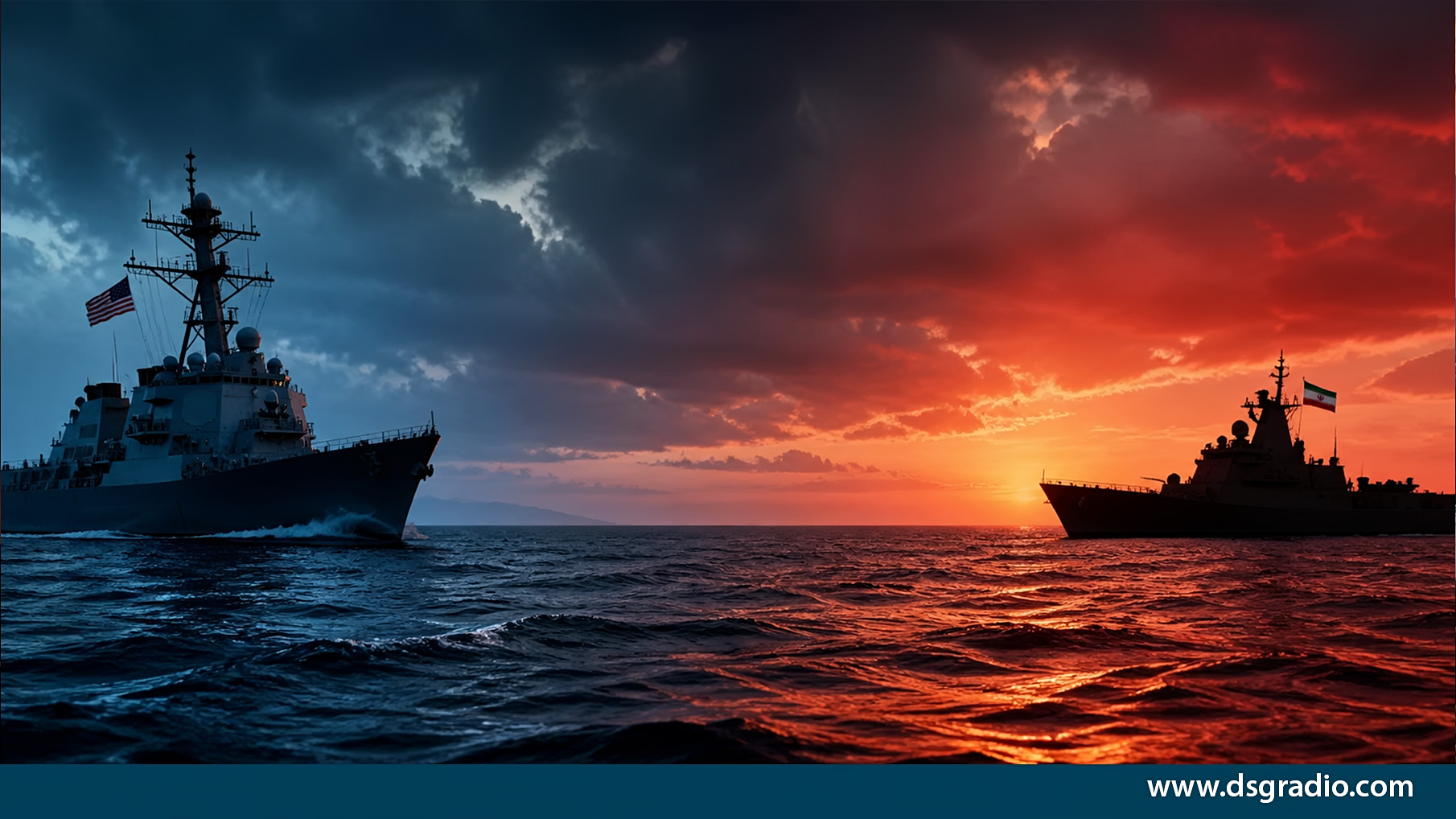
Meanwhile, Iranian state media reported that naval forces fired “warning shots” at US warships after American destroyers entered the Gulf. These claims have not been independently verified.
The US military denied any damage to its vessels, stating:
- No US Navy ships had been struck
- Forces are actively supporting Project Freedom
- Naval operations are enforcing a blockade on Iranian ports
Details surrounding these incidents remain unclear, and verification has been difficult due to restricted access to the conflict zone.
Threats, Drones, and Rising Maritime Risks
The situation escalated further as Iran issued a direct warning against foreign military presence in the strait.
A senior Iranian military official stated that:
- Any foreign military force approaching the Strait of Hormuz would be targeted
In a separate development:
- The United Arab Emirates reported that two drones were fired at a tanker linked to its national oil company, ADNOC
- No casualties were reported
- The UAE described the attack as a violation of international law and UN Security Council resolutions
The UAE also accused Iran’s Revolutionary Guard Corps of using the strait as a tool of economic coercion, raising concerns about maritime security and international shipping safety.
Global Oil Supply Risk and Economic Implications
The Strait of Hormuz crisis has immediate and far-reaching implications for the global economy.
Key economic risks include:
- Disruption of oil and gas exports
- Volatility in global energy prices
- Increased freight and insurance costs
- Supply chain instability
For oil-dependent economies like Nigeria, the crisis could have significant local consequences:
- Higher fuel import costs
- Pressure on foreign exchange reserves
- Potential inflationary effects on goods and services
As a major oil producer but fuel importer, Nigeria remains particularly vulnerable to fluctuations in global oil logistics.
Ceasefire Under Pressure Amid Power Struggle
The current crisis unfolds against the backdrop of a fragile ceasefire between the US and Iran, raising fears of renewed full-scale confrontation.
The US insists that:
- Its actions are necessary to restore global trade routes
- The mission has humanitarian and economic objectives
Iran, however, views the operation as:
- A breach of ceasefire agreements
- A provocation that could escalate into direct conflict
This widening divide highlights the broader geopolitical struggle shaping the Middle East, as previously examined in DSG Herald’s analysis of Iran-Russia strategic talks amid rising US tensions.
Similarly, diplomatic uncertainty continues to grow, as explored in ongoing US-Iran-Pakistan negotiations.
What Happens Next?
The trajectory of the Strait of Hormuz crisis remains uncertain, with several possible outcomes:
- Continued escorted shipping under US protection
- Escalation into direct naval confrontation
- Diplomatic intervention to stabilise maritime operations
- Prolonged disruption affecting global markets
The willingness of shipping companies to resume operations will be crucial to whether Project Freedom succeeds or fails.
As reported by Euronews, conflicting narratives from both sides continue to complicate the situation, with no independent verification of several claims.
Recommended Coverage
You may also want to read:
- Will World War 3 Happen? Global Tension Analysis
Explores broader geopolitical risks linked to escalating conflicts like the Strait of Hormuz crisis. - Jerusalem’s Role in Middle East Conflicts Explained
Provides historical context shaping current regional tensions involving Iran and global powers. - US-Iran Ceasefire Crisis Deepens Amid Talks Collapse
Breaks down the fragile ceasefire now under threat in the Strait of Hormuz crisis. - Strait of Hormuz Tensions and Diplomatic Breakdown
Examines earlier developments that led to the current maritime confrontation.
About the Author