The growing debate surrounding Somaliland Recognition has moved far beyond ceremonial independence celebrations, evolving into a major geopolitical issue with implications for the Horn of Africa, Red Sea security, African diplomacy, and Middle East regional competition.
As Somaliland marked its latest Independence Day anniversary in Hargeisa, the self-declared republic’s diplomatic momentum received renewed global attention following Israel’s recognition move a development that has intensified tensions across East Africa and triggered broader discussions about sovereignty, regional stability, and international legitimacy.
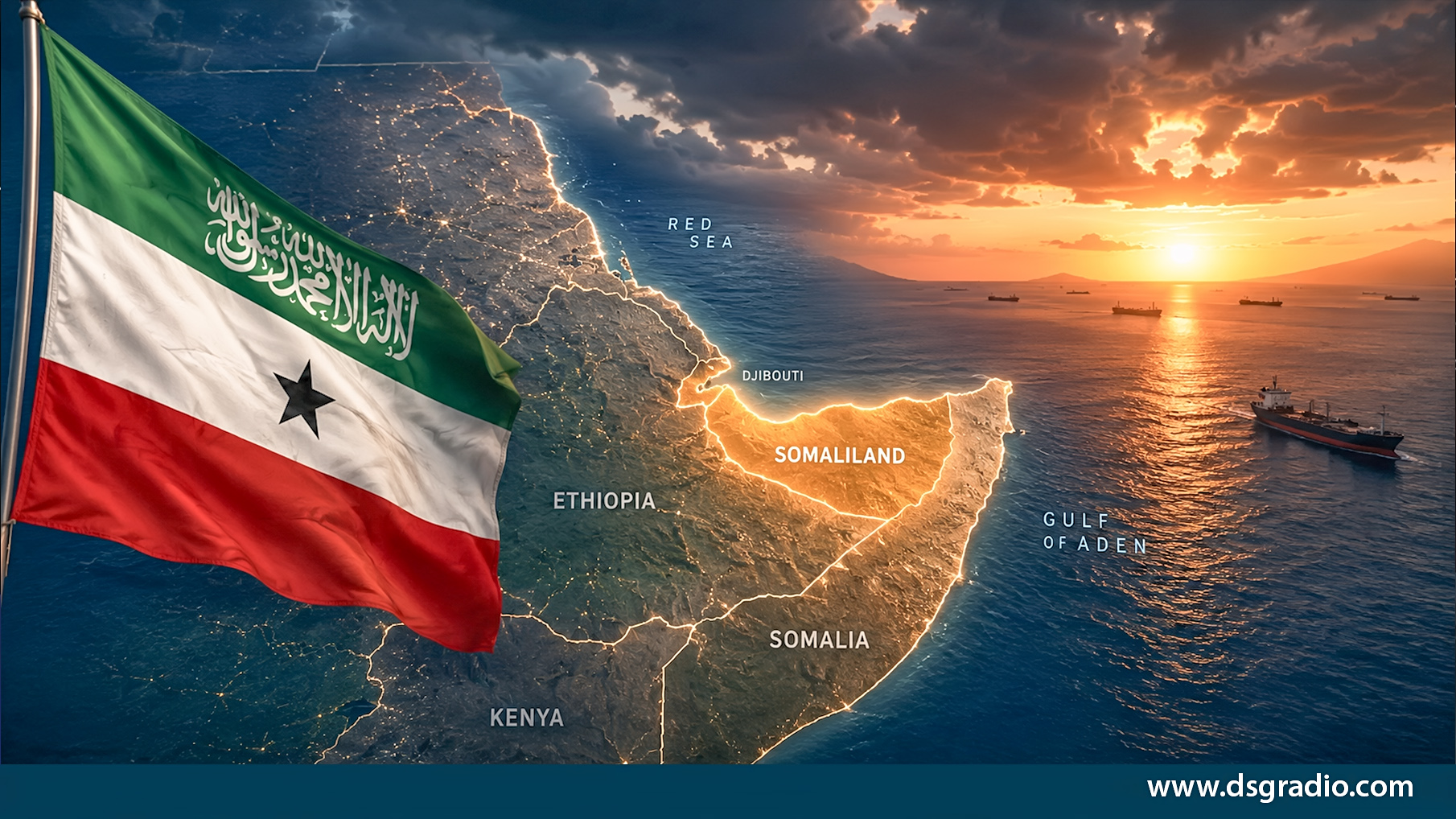
The diplomatic shift comes at a time when the Horn of Africa remains strategically critical to global shipping, military competition, and regional security operations. Analysts say the recognition issue could reshape alliances across the Gulf of Aden and further complicate Somalia’s longstanding territorial dispute with the breakaway region.
According to an Al Jazeera report, Somaliland’s Independence Day celebrations carried heightened political symbolism this year following the diplomatic development involving Israel.
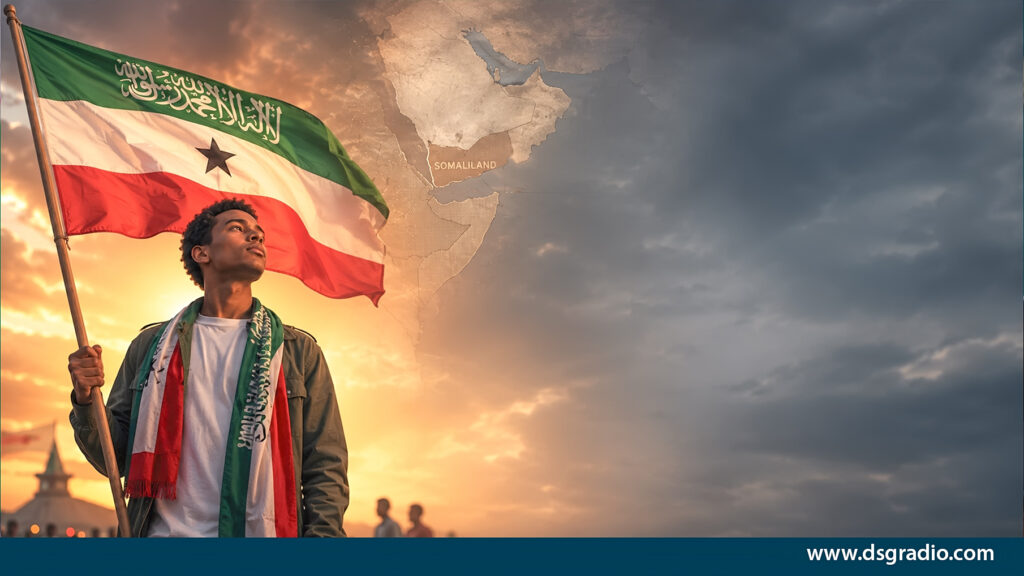
Why Somaliland Recognition Matters
Somaliland declared independence from Somalia in 1991 following the collapse of Somalia’s central government and years of civil conflict. Since then, the territory has operated with its own government, security institutions, currency, parliament, and electoral system.
Despite functioning as a de facto autonomous state for decades, Somaliland has struggled to gain formal international recognition.
The latest diplomatic breakthrough involving Israel has therefore become politically significant for Somaliland authorities, who view recognition as validation of decades-long efforts to establish international legitimacy.
However, the move has also intensified concerns among African leaders and regional observers who fear the recognition could encourage separatist movements elsewhere on the continent.
Somalia continues to insist that Somaliland remains part of its sovereign territory and has repeatedly rejected any international action that appears to legitimize the breakaway administration.
The dispute now risks becoming a larger geopolitical flashpoint involving African Union diplomacy, Middle Eastern strategic interests, and international maritime security.
Horn of Africa Faces Rising Strategic Pressure
The Horn of Africa occupies one of the world’s most strategically important regions.
Located near the Gulf of Aden and the Bab el-Mandeb Strait, the area serves as a critical gateway connecting the Red Sea to global shipping lanes. A significant percentage of international trade and energy shipments pass through the corridor annually.
This has transformed the region into a growing center of international competition involving:
- Gulf states
- Western powers
- China
- Russia
- Regional African governments
Somaliland’s coastline has become increasingly valuable within this broader geopolitical contest.
Security analysts argue that any diplomatic recognition involving Somaliland could influence military partnerships, maritime agreements, intelligence operations, and regional port investments.
The development also comes amid heightened instability linked to Houthi activities in the Red Sea corridor. Continued attacks and threats against commercial shipping have already forced several global shipping companies to reroute operations.
Against that backdrop, diplomatic recognition in the region carries implications extending far beyond symbolic politics.
Somalia Rejects Diplomatic Shift
Somalia’s federal government has consistently opposed international engagement that treats Somaliland as an independent state.
Officials in Mogadishu maintain that recognizing Somaliland undermines Somalia’s territorial integrity and violates longstanding African Union principles supporting existing colonial-era borders.
Regional observers say Somalia is likely to intensify diplomatic lobbying efforts within the African Union, Arab League, and United Nations in response to the growing recognition debate.
While some Somaliland supporters argue the territory has demonstrated greater stability and governance than Somalia itself, critics warn that formal recognition could trigger political fragmentation elsewhere in Africa.
Several African governments remain cautious about separatist precedents because of internal ethnic, regional, or autonomy-related tensions within their own borders.
As a result, Somaliland Recognition has become not only a bilateral issue between Somalia and Somaliland, but also a continental diplomatic concern.
Israel Somaliland Ties Draw Mixed Reactions
The strengthening of Israel Somaliland Ties has generated divided reactions both within the Horn of Africa and internationally.
Supporters of the diplomatic development argue that Somaliland deserves recognition because it has maintained relative political stability, conducted elections, and sustained functioning institutions for decades.
Others see the move through a strategic Middle East lens, particularly amid growing competition around Red Sea security and regional alliances.
However, criticism has also emerged from some political groups, religious leaders, and regional activists concerned about the implications of closer Israeli involvement in the predominantly Muslim region.
Some demonstrations and criticisms reportedly referenced broader Middle East tensions, including the ongoing Gaza conflict and regional polarization involving Israel.
Details regarding the full scope of future diplomatic, economic, or security cooperation between the two sides remain unclear.
Red Sea Security Concerns Intensify
Security experts say the recognition issue cannot be separated from ongoing instability in the Red Sea region.
The strategic waterway has become increasingly militarized amid regional rivalries, Houthi attacks, anti-piracy operations, and expanding foreign naval presence.
Countries with interests in the corridor continue to compete for influence over ports, maritime infrastructure, and logistics hubs stretching across East Africa and the Arabian Peninsula.
Somaliland’s geographic location places it at the center of these calculations.
Any shift in diplomatic status could potentially affect:
- Port access agreements
- Military partnerships
- Intelligence cooperation
- Trade corridors
- Energy shipping routes
The evolving situation may also influence how international powers approach future engagement with Somalia and other governments in the region.
African Union Faces Difficult Questions
The African Union has historically been cautious regarding separatist recognition movements because of fears that such precedents could destabilize member states.
That concern remains central to the Somaliland debate.
While Somaliland officials frequently argue their case differs from many separatist conflicts because the territory was previously a British protectorate before joining Somalia, several African governments remain reluctant to support recognition.
Analysts say the issue places African diplomacy in a difficult position between:
- supporting territorial integrity
- acknowledging long-term political realities
- preventing instability
- managing regional alliances
The debate may intensify further if additional countries move toward closer diplomatic engagement with Somaliland.
Somaliland Independence Day Takes on New Meaning
This year’s Somaliland Independence Day celebrations reflected more than national symbolism.
For many supporters, the event represented a moment of diplomatic validation after decades of political isolation.
Crowds gathered in Hargeisa amid patriotic displays, public ceremonies, and renewed calls for broader international recognition.
But beyond the celebrations, the geopolitical implications remain substantial.
The recognition issue now intersects with:
- African diplomacy
- Middle East regional politics
- Red Sea security
- maritime trade
- international strategic competition
As global powers increasingly focus on the Horn of Africa, Somaliland’s future status may become one of the region’s defining geopolitical questions.
Details regarding how other governments may respond to the evolving diplomatic situation remain unclear.
For now, Somaliland Recognition has transformed from a regional political aspiration into a wider international strategic debate.
Recommended Coverage:
- Trump-Xi Talks Reshape Global Trade and AI Competition
A deeper look at how geopolitical rivalries between major powers are influencing global diplomacy and strategic alliances. - France-Africa Relations Face New Diplomatic Strains
Examines shifting international influence across Africa as global powers compete for strategic partnerships. - Israel-Lebanon Conflict Escalates Amid Regional Security Fears
Explores the broader Middle East tensions shaping reactions to Israel’s growing regional diplomatic engagements. - Boko Haram Attack in Chad Raises Security Alarm
Highlights how instability across Africa continues to intersect with regional security and geopolitical competition.
About the Author