Congo Ebola Outbreak Exposes Dangerous Health Gaps
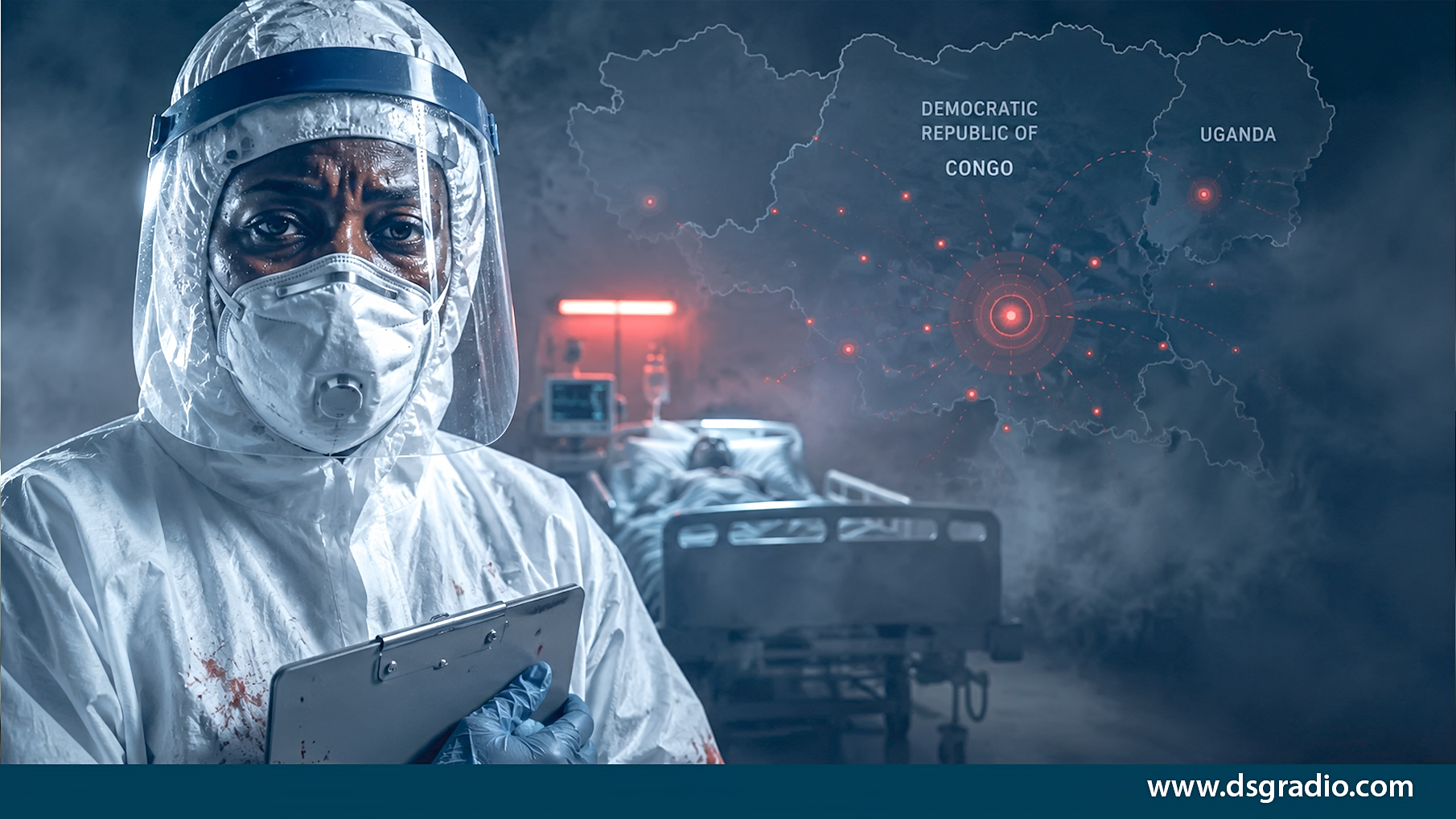
The Congo Ebola Outbreak is rapidly evolving into a wider public health concern as officials battle the spread of the rare Bundibugyo Ebola Virus in eastern Democratic Republic of Congo, exposing weaknesses in disease surveillance, emergency response systems, and healthcare infrastructure across the region.
Health authorities in the Democratic Republic of Congo (DRC), alongside the World Health Organisation (WHO) and regional agencies, are working to contain the outbreak after infections emerged in areas already facing insecurity, weak medical systems, and humanitarian pressures. The outbreak has also reignited fears of cross-border transmission into neighbouring countries, including Uganda, where previous Ebola incidents strained healthcare resources.
Unlike previous outbreaks linked to the Zaire strain of Ebola, the current epidemic involves the Bundibugyo Ebola Virus — a rarer and more difficult strain for health officials because there is no fully approved vaccine specifically designed for it. Public health experts warn that delayed diagnosis, false-negative testing, and overstretched hospitals may have allowed the disease to spread further before emergency containment measures were activated.
According to an Associated Press report, health authorities are facing mounting challenges as they attempt to isolate cases and prevent wider transmission.
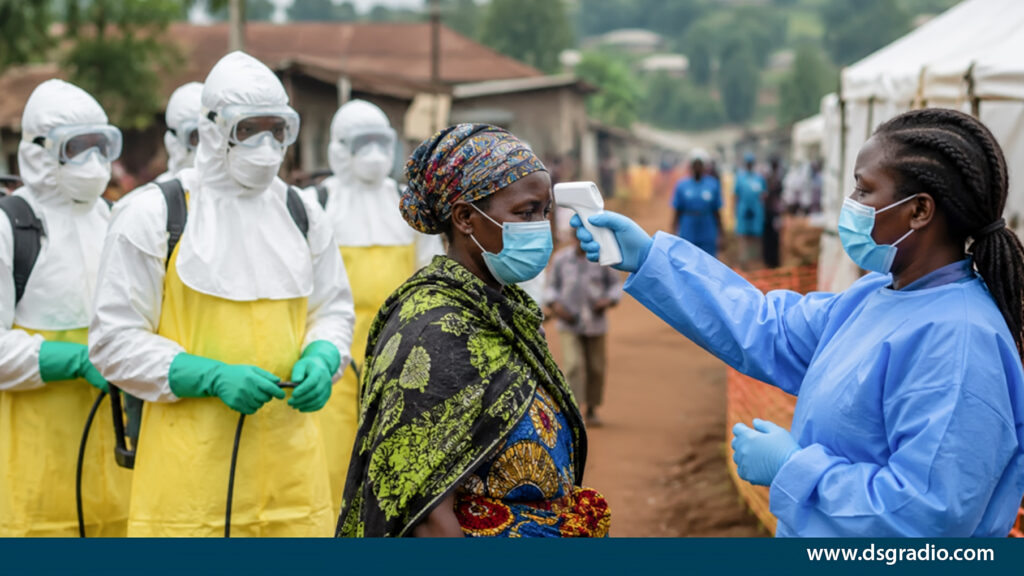
Why the Congo Ebola Outbreak Is Different
The current Congo Ebola outbreak is alarming health officials for several reasons.
First, the Bundibugyo strain is significantly less common than the Zaire variant responsible for many previous Ebola epidemics in Central Africa. Because of its rarity, medical preparedness and vaccine readiness remain limited.
Second, officials are concerned that initial cases may not have been identified quickly enough. Delayed detection is particularly dangerous in Ebola outbreaks because infected individuals can unknowingly spread the disease through close physical contact before isolation measures begin.
Health workers have reportedly faced difficulties distinguishing Ebola symptoms from other endemic illnesses common in the region, including malaria and typhoid fever. Early symptoms such as fever, weakness, vomiting, and body pain often resemble several tropical diseases, increasing the risk of misdiagnosis.
Public health analysts say this delay may have created critical gaps in contact tracing and emergency response.
Healthcare Systems Under Pressure
Eastern Congo has long struggled with a fragile healthcare infrastructure due to years of armed conflict, displacement, poverty, and limited government investment in public health systems.
Hospitals in affected communities are already dealing with shortages of:
- Protective medical equipment
- Isolation facilities
- Diagnostic laboratories
- Emergency funding
- Trained infectious disease specialists
Healthcare worker infections are also a major concern during Ebola outbreaks because hospitals can quickly become transmission centres if protective protocols fail.
Experts warn that overwhelmed medical systems can accelerate the spread of hemorrhagic diseases in densely populated urban environments.
The WHO Health Emergency response teams are reportedly supporting local authorities with:
- Surveillance operations
- Laboratory testing
- Community sensitization
- Emergency treatment centres
- Border screening measures
However, aid agencies continue to warn that funding shortages and logistical challenges may hinder containment efforts.
Delayed Detection and Surveillance Failures
One of the biggest concerns surrounding the Congo Ebola Outbreak is the possibility that surveillance failures allowed infections to circulate unnoticed.
Disease surveillance remains one of Africa’s biggest healthcare challenges, particularly in conflict-prone regions where many communities have limited access to medical care.
Public health experts say several factors may have contributed to delayed containment:
- Weak laboratory capacity
- Poor rural healthcare access
- Population displacement
- Insecurity affecting emergency teams
- Community mistrust of authorities
Testing complications have also reportedly slowed confirmation efforts in some cases. False-negative results can lead to dangerous delays, as infected individuals may continue interacting within communities while awaiting additional testing.
Health specialists say the outbreak highlights the urgent need for stronger epidemic preparedness systems across Africa.
Regional Risks and Cross-Border Concerns
The Congo Ebola Outbreak is not only a national issue for the DRC. Regional health authorities are increasingly concerned about potential transmission into neighbouring countries through trade routes, refugee movement, and informal border crossings.
Uganda remains particularly vulnerable because of its close geographic ties with eastern Congo and previous exposure to Ebola outbreaks.
Recent public health monitoring in East Africa has intensified as officials attempt to detect any emerging cross-border infections early.
DSG HERALD previously reported on how Uganda’s Ebola cases continued to rise during earlier containment efforts, underscoring the persistent regional threat posed by infectious disease emergencies.
Health experts warn that urban transmission would significantly complicate containment operations. Large population centres increase contact rates and place additional strain on already fragile medical systems.
Air travel networks, regional commerce, and humanitarian migration patterns also increase the complexity of outbreak management.
Africa’s Growing Public Health Vulnerability
The African Ebola Crisis is unfolding at a time when many African healthcare systems are facing mounting pressure from multiple simultaneous emergencies.
In recent years, several countries across the continent have battled:
- Cholera outbreaks
- Mpox infections
- Lassa fever
- Malaria surges
- Humanitarian displacement crises
Public health analysts say these overlapping emergencies are exposing structural weaknesses in disease preparedness and emergency financing.
The Congo Ebola outbreak is also reigniting broader debates about healthcare investment across Africa, especially in rural and conflict-affected regions where emergency detection systems remain weak.
Some analysts argue that global attention often intensifies only after outbreaks begin threatening international spread, rather than focusing on early prevention systems within vulnerable communities.
DSG HERALD has also examined concerns over infectious disease preparedness in its report on the first detected Lassa fever case in the UK, highlighting how localised outbreaks can quickly evolve into international public health concerns.
Funding Pressures and Humanitarian Challenges
International aid organisations say emergency response efforts are increasingly complicated by funding shortages affecting global health operations.
The WHO and humanitarian partners have repeatedly warned that underfunded health systems weaken outbreak response capacity, particularly in fragile regions.
In eastern Congo, insecurity remains a major operational obstacle. Armed violence in parts of the region has historically disrupted vaccination campaigns, delayed medical deployments, and reduced public trust in health interventions.
Humanitarian agencies also face challenges reaching remote communities where transportation infrastructure is poor.
Health workers are now racing to:
- Expand contact tracing
- Improve laboratory diagnostics
- Increase public awareness
- Strengthen isolation measures
- Prevent misinformation
Experts say community trust will play a critical role in determining whether containment efforts succeed.
Why Global Health Experts Are Alarmed
Although Ebola outbreaks are not new to Central Africa, the combination of delayed detection, the rare Bundibugyo strain, weak infrastructure, and regional mobility has heightened concern among global health officials.
Public health specialists say the outbreak serves as another reminder that infectious diseases can quickly escalate when healthcare systems lack sufficient preparedness.
The Congo Ebola outbreak is also raising broader questions about whether the international community has learned enough lessons from previous epidemics, including COVID-19 and earlier Ebola crises.
Analysts warn that future outbreaks may become harder to contain if governments and global agencies fail to invest in:
- Early warning systems
- Community healthcare networks
- Laboratory infrastructure
- Emergency funding reserves
- Regional disease coordination
For now, health authorities continue working to contain the outbreak before wider regional transmission occurs.
Details regarding the total number of infections and the full extent of transmission chains remain unclear as investigations continue.
Recommended Coverage:
- Lassa Fever Alert as UK Detects First Confirmed Case
The report explores how infectious diseases can rapidly trigger international public health concern beyond Africa. - Uganda’s Ebola Cases Rise Amid Regional Outbreak Fears
This story examines the growing regional implications of Ebola transmission across East Africa. - Mysterious Illness in DRC Sparks Emergency Investigations
Authorities continue investigating unexplained disease outbreaks in Congo’s vulnerable healthcare environment. - Africa’s Medical System Faces Deepening Crisis
The feature analyzes structural healthcare weaknesses affecting outbreak preparedness across Africa.
About the Author