From Algeria to Equatorial Guinea: Pope Leo XIV’s Africa Tour Puts Governance and Inequality in the Spotlight
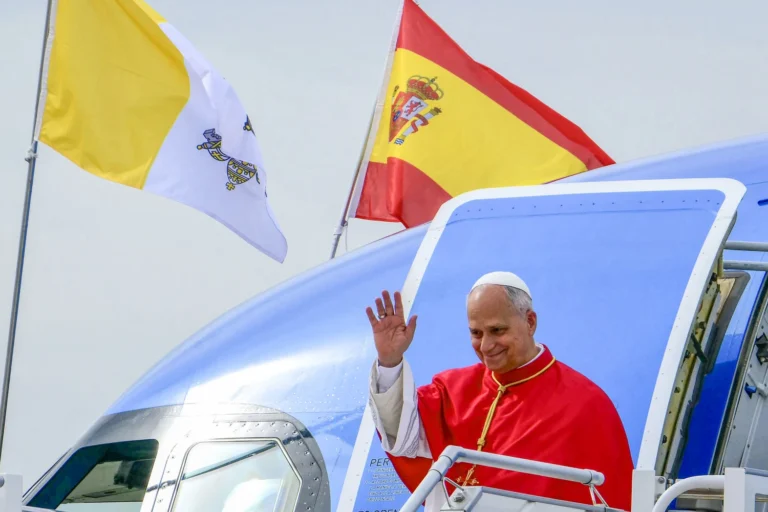
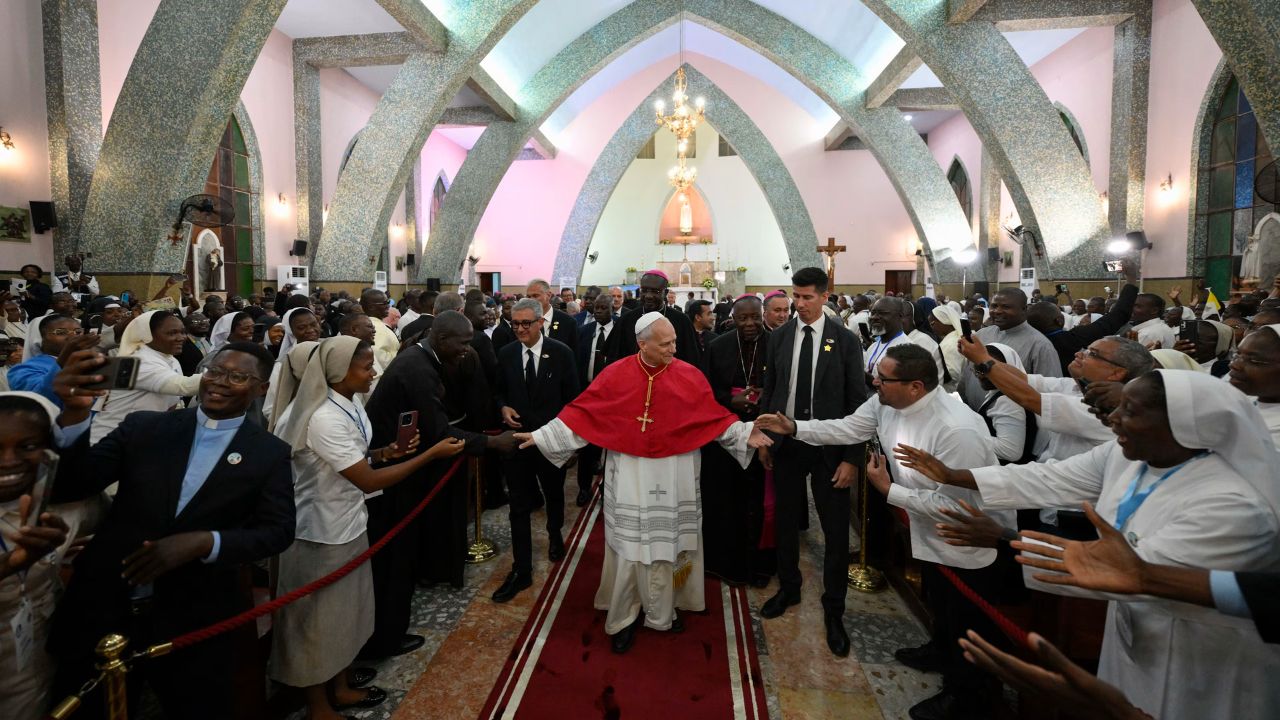
Pope Leo XIV’s recent 11-day tour across Africa has gone beyond a symbolic religious visit, evolving into a powerful commentary on governance failures, inequality, and the long-standing exploitation of the continent’s resources.
From Algeria to Equatorial Guinea, the pontiff’s messages consistently pointed to a deeper reality: Africa’s challenges are not just historical, they are structural, persistent, and increasingly global in significance.
A Continent Rich in Resources, Yet Struggling With Inequality
One of the most striking themes from the Pope’s Africa tour is the paradox of wealth and poverty.
Countries like Angola and Cameroon possess vast reserves of oil, gas, and minerals. Yet, large portions of their populations continue to live in poverty, with limited access to basic infrastructure, healthcare, and education.
This contradiction reflects a broader issue across Africa:
- Resource wealth is concentrated among elites
- Limited trickle-down benefits to citizens
- Continued dependence on foreign extraction systems
By calling out the “exploitation” of both natural and human resources, Pope Leo XIV placed global attention on a system that has endured for decades.
Governance Crisis and the Question of Leadership
Another central message from the tour was governance.
In Cameroon and Equatorial Guinea, the Pope’s remarks subtly—but unmistakably—highlighted concerns about long-standing leadership, political control, and accountability.
Across many African nations:
- Leadership tenures often span decades
- Political opposition faces restrictions
- Corruption continues to weaken institutions
The Pope’s reference to “tyrants” and “chains of corruption” signals a broader concern about leadership structures that prioritise power retention over public welfare.
This message resonates strongly beyond the countries he visited, reflecting a continental governance challenge.
Peace, Conflict, and the Cost of Political Instability
In Cameroon, particularly in conflict-affected regions, Pope Leo XIV emphasised peace and reconciliation.
Africa continues to face multiple internal conflicts—many of which receive limited global attention. These conflicts often stem from:
- Political marginalization
- Ethnic divisions
- Resource control disputes
By addressing these issues directly, the Pope elevated what many consider “forgotten crises” to the global stage.
Migration, Religion, and Social Cohesion
In Algeria, the Pope focused on migration and interfaith coexistence, two issues that are increasingly shaping Africa’s global identity.
Migration remains a major challenge:
- Thousands risk dangerous journeys to Europe
- Economic hardship drives displacement
- Policy responses remain inconsistent
At the same time, the emphasis on Christian-Muslim coexistence highlights the importance of religious harmony in maintaining stability across diverse societies.
Colonial Legacy and Modern-Day Exploitation
A recurring undertone throughout the Pope’s visit was the lingering impact of colonialism.
From Angola’s history of slavery to ongoing foreign control of natural resources, the structural patterns of extraction have not entirely disappeared—they have evolved.
Today’s concerns include:
- Multinational control of key industries
- Unequal trade relationships
- Limited local ownership of wealth
The Pope’s framing of “colonization of resources” reflects a growing global conversation about economic justice and sovereignty.
Why This Tour Matters Beyond Religion
While the visit was rooted in faith, its implications are far broader.
Pope Leo XIV’s Africa tour has:
- Amplified global attention on governance issues
- Reinforced calls for accountability and reform
- Highlighted Africa’s strategic importance in global politics
It also comes at a time when Africa is becoming increasingly central to global economic and geopolitical interests, particularly in energy and mineral resources.
A Message to Africa’s Youth and Future Leaders
A significant portion of the Pope’s engagement was directed at young people.
Africa has one of the youngest populations in the world, and its future depends heavily on:
- Youth participation in governance
- Resistance to corruption
- Innovation and economic independence
By urging young Africans to reject corruption and embrace integrity, the Pope positioned them as key agents of change.
Symbolism or Turning Point?
Pope Leo XIV’s Africa tour raises an important question: will these messages lead to real change, or remain symbolic?
The issues highlighted—governance failures, inequality, and resource exploitation—are deeply rooted and complex. However, the global attention generated by the visit could increase pressure on leaders and institutions.
For many observers, the tour serves as both a reflection of Africa’s challenges and a call to action.
Whether that call leads to measurable reform remains to be seen
About the Author