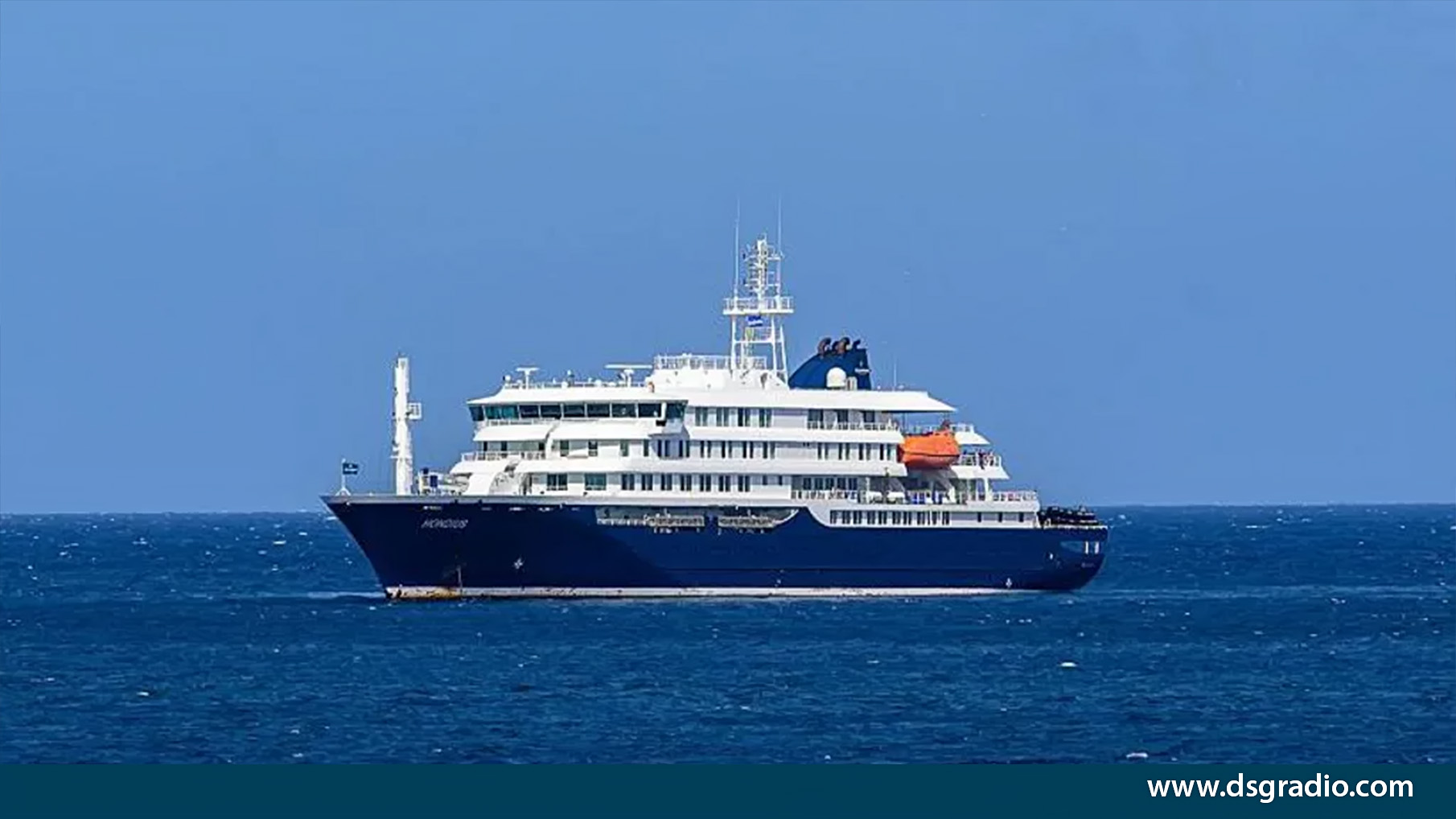
A suspected hantavirus outbreak aboard a cruise ship in the Atlantic Ocean has raised global health concerns after multiple passengers died and others fell seriously ill, prompting urgent investigations by international health authorities. The vessel, MV Hondius, operated by Oceanwide Expeditions, remains off the coast of Cape Verde with nearly 150 people onboard as medical evacuations and containment measures continue.
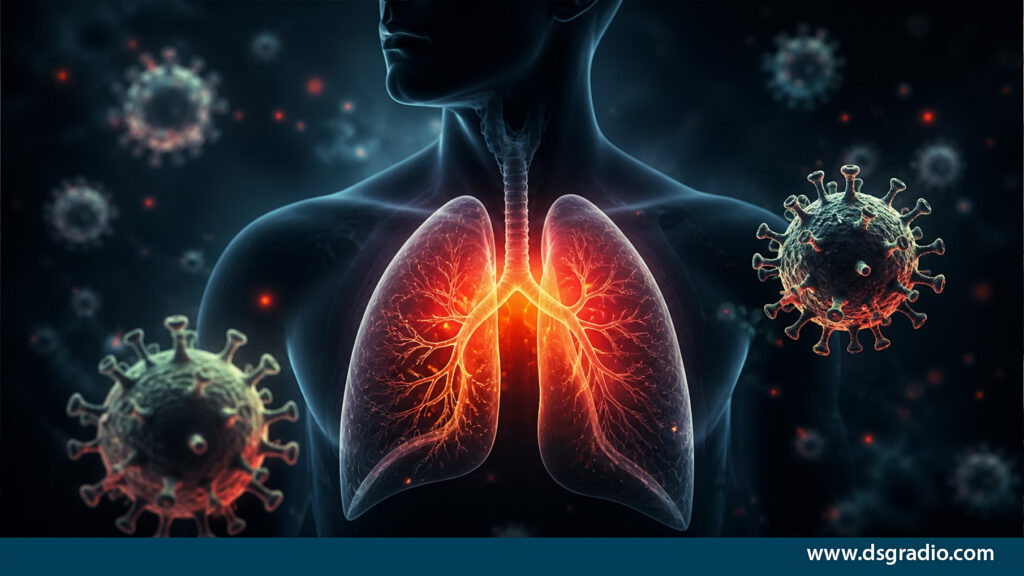
Cruise Ship Crisis Triggers Global Health Attention
At least three passengers, identified as a Dutch couple and a German national, have died following a suspected outbreak of a rare infectious disease. A 69-year-old British national is currently receiving intensive care treatment in Johannesburg, South Africa, after testing positive for a variant of hantavirus.
The ship, which departed from Ushuaia, southern Argentina, weeks earlier, is now anchored near Praia, Cape Verde. Authorities have restricted disembarkation to prevent potential spread.
According to Oceanwide Expeditions, two crew members, one British and one Dutch, also developed acute respiratory symptoms and required urgent medical care.
As reported by the BBC, the situation remains under investigation, with health authorities working to determine whether the deaths are directly linked to the virus.
What Is Hantavirus? Understanding the Disease
Hantavirus is a rodent-borne disease transmitted primarily through exposure to infected rodents or their bodily fluids, including urine, saliva, and droppings.
The virus can cause two severe conditions:
- Hantavirus Pulmonary Syndrome (HPS): A respiratory illness that can lead to lung failure
- Haemorrhagic Fever with Renal Syndrome (HFRS): A disease affecting the kidneys
Health experts say the virus becomes airborne when contaminated materials are disturbed, making inhalation a key route of infection.
Although human-to-human transmission is rare, it has been documented in limited cases, raising concerns about unexplained clusters like the one on the cruise ship.
Why This Hantavirus Outbreak Is Unusual
The suspected hantavirus outbreak on the cruise ship presents several unanswered questions:
- No confirmed rodent presence has been reported onboard
- Only one confirmed case has tested positive so far
- The timeline of infections remains unclear
These factors have led experts to question how exposure may have occurred in a controlled environment like a cruise vessel.
A passenger onboard indicated that uncertainty remains about whether all cases are linked to hantavirus or if multiple illnesses are involved.
Symptoms and Fatality Risk
The early stages of hantavirus infection often resemble common flu symptoms, making early diagnosis difficult.
Common symptoms include:
- Fever and chills
- Muscle aches
- Headache
As the illness progresses:
- Patients may experience chest tightness
- Lungs can fill with fluid
- Severe respiratory distress may develop
According to health authorities, Hantavirus Pulmonary Syndrome has a fatality rate of about 35%, while other forms of the disease have lower mortality rates ranging from 1% to 15%.
Medical experts stress that early detection and supportive care significantly improve survival chances.
Global Health Context: A Rare but Dangerous Virus
Hantavirus has been documented for decades, with cases recorded in Asia, Europe, and the United States.
A major outbreak in the U.S. in the 1990s led to the identification of Hantavirus Pulmonary Syndrome, particularly in rural regions where human exposure to rodents is more likely.
Despite its rarity, the virus continues to attract attention due to its high fatality rate and unpredictable severity.
Health researchers note that many aspects of the virus remain poorly understood, including:
- Why do some individuals develop severe illness
- How immunity develops
- The mechanisms behind rare human-to-human transmission
“There are still many mysteries surrounding hantavirus,” researchers have noted.
WHO Response and Public Health Measures
The World Health Organisation (WHO) has confirmed that investigations into the hantavirus outbreak are ongoing, including laboratory testing and epidemiological analysis.
WHO officials have emphasised that:
- The virus is not easily transmitted between humans
- The overall risk to the general public remains low
- There is no need for travel restrictions at this time
Onboard the vessel, precautionary measures include:
- Isolation of symptomatic individuals
- Enhanced hygiene protocols
- Continuous medical monitoring
Authorities are also coordinating possible evacuation routes to Europe for further medical care.
African Perspective: Why This Matters
While the current outbreak is occurring offshore, the implications are relevant for African countries, including Nigeria.
Rodent-borne diseases remain a significant public health concern across the continent.
Nigeria, for instance, has faced recurring outbreaks of Lassa fever, another rodent-linked illness, highlighting the vulnerability of communities to similar threats. Recent reports on Lassa fever cases detected internationally underscore how localised outbreaks can quickly gain global attention.
Factors that increase risk in African settings include:
- High rodent populations in urban and rural areas
- Limited access to sanitation infrastructure
- Informal housing conditions
Public health experts say strengthening surveillance systems and improving hygiene practices are critical to preventing potential outbreaks.
Prevention: How to Reduce Risk
Health authorities recommend the following precautions to limit exposure to hantavirus:
- Avoid contact with rodents and their droppings
- Use gloves and disinfectants when cleaning contaminated areas
- Ensure proper ventilation in enclosed spaces
- Do not sweep or vacuum rodent waste, as it can release virus particles into the air
Public awareness remains a key tool in preventing infection.
Unanswered Questions Remain
Despite ongoing investigations, several aspects of the cruise ship incident remain unclear:
- Whether all fatalities are linked to hantavirus
- The exact source of exposure onboard
- The potential for additional cases
Health officials have stated that further testing is required to establish definitive conclusions.
Recommended Coverage:
You may also want to read:
- Imo Care: Free Healthcare Impact in Nigeria
Explores how healthcare access is improving outcomes in Nigerian communities. - Tuberculosis in Africa: A Deep Dive
Provides context on infectious diseases affecting millions across the continent. - Nigeria’s Lassa Fever Cases Rise
Highlights ongoing concerns about rodent-borne diseases in Nigeria. - Mysterious Illness in DRC
Examines emerging health threats and outbreak response challenges in Africa.
About the Author