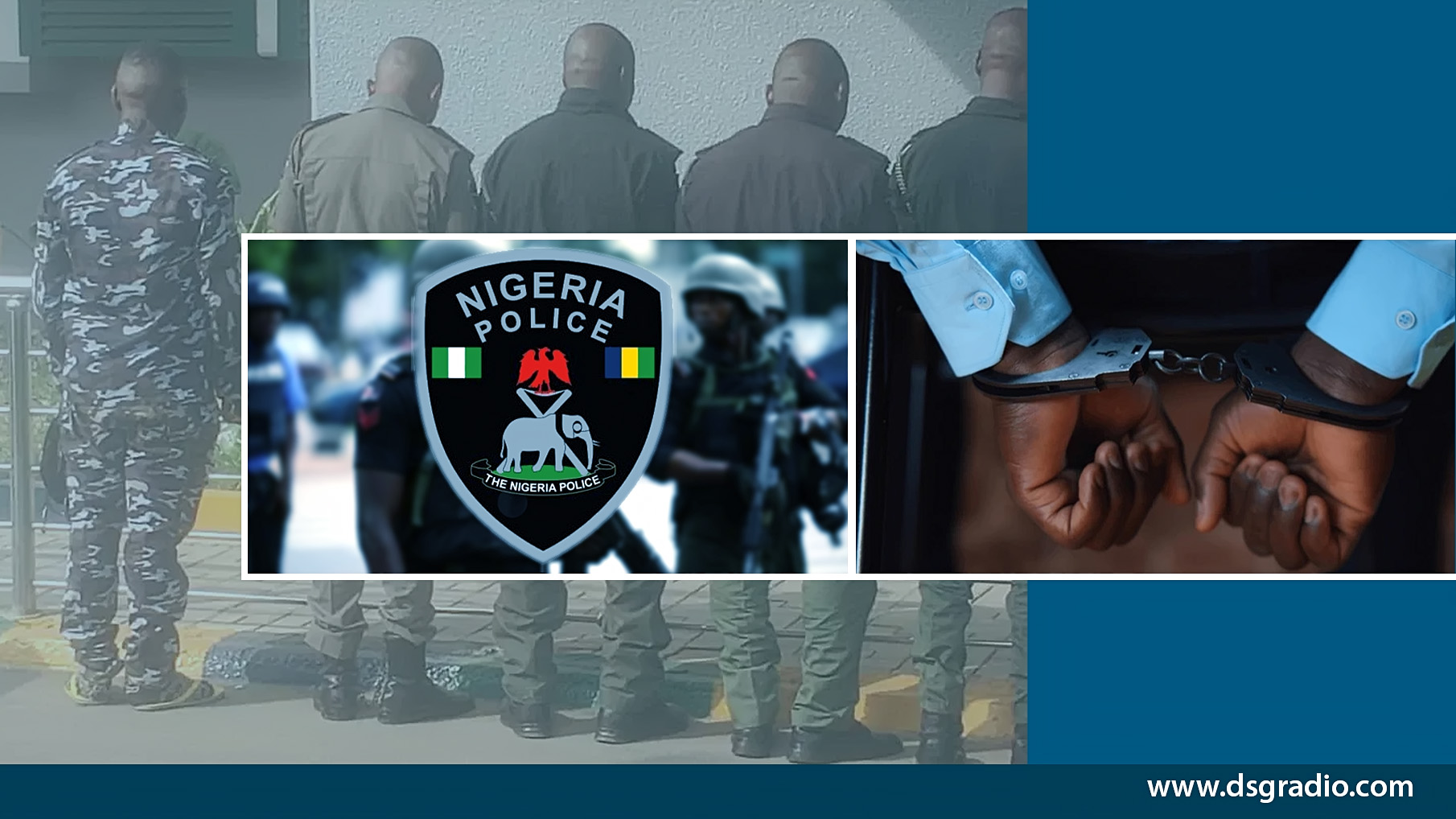
Effurun Police Shooting: Dismissals Raise Questions Over Accountability and Conflicting Narratives
Nigeria’s police accountability system is facing renewed scrutiny following the Effurun police shooting, where the Police Service Commission (PSC) confirmed the dismissal of an Assistant Superintendent of Police and four other officers over the killing of 28-year-old Mene Ogidi in Delta State. While authorities have moved swiftly to sanction the officers, conflicting narratives surrounding the incident have raised deeper concerns about due process, transparency, and public trust in law enforcement.

What Happened in Effurun
The incident occurred on April 26, 2026, in Effurun, Delta State, where Mene Ogidi, aged 28, was fatally shot.
According to police authorities:
- Ogidi allegedly received a parcel from Yenagoa, Bayelsa State
- He transported it to a motor park in Effurun for onward delivery to Sapele
- The parcel was searched and reportedly found to contain:
- A fabricated Beretta pistol
- Four rounds of 9mm ammunition
The Police stated that members of the public apprehended Ogidi and alerted authorities. However, when officers arrived, Assistant Superintendent of Police Nuhu Usman allegedly opened fire, resulting in the suspect’s death.
Following internal disciplinary proceedings, the PSC approved the dismissal of ASP Nuhu Usman and four members of his team.
According to a statement by Force Public Relations Officer, DCP Anthony Placid, the officers were found guilty of:
- Professional misconduct
- Abuse of office
- Actions capable of breaching public peace
The case file has since been forwarded to the Office of the Attorney General of the Federation (AGF) for vetting and prosecution.
As reported by Vanguard Nigeria in its coverage of the incident, the Police have pledged full cooperation to ensure justice is served.
Police Version of Events
The official account emphasises that:
- The suspect was linked to a suspicious parcel containing a firearm
- Police were responding to a call from concerned members of the public
- The fatal shooting occurred during police intervention
Authorities stressed that no suspicion justifies extrajudicial killing, reiterating that every suspect is entitled to due process under Nigerian law.
The Police also confirmed:
- The remains of the deceased have been deposited in a mortuary
- An autopsy will form part of the prosecution’s evidence
- Additional suspects—including a driver and two vigilante members—remain at large
Eyewitness Contradictions
However, accounts from witnesses and motor park officials present a significantly different narrative, creating a central tension in the Effurun police shooting case.
According to individuals present at the scene:
- Ogidi allegedly brought the parcel himself, rather than receiving it
- He initially claimed the parcel contained baby clothes
- He resisted attempts to open it but was eventually compelled
- A firearm was discovered wrapped inside clothing
Witnesses further stated:
- The suspect was already restrained before police arrived
- He was tied up and not resisting
- Police officers allegedly shot him despite being in custody
One witness said:
“After it was opened and the gun discovered, he was tied and the police were called.”
Park leaders also questioned:
- Why was force used on a suspect already apprehended
- Whether proper procedures were followed
- The lack of visible coordination during the police response
Additionally, witnesses claimed that Ogidi was still alive after being shot and was taken away in a patrol vehicle.
These contradictions have fueled public scepticism and demands for transparency.
Legal Implications and Human Rights Concerns
The Effurun police shooting raises critical legal and human rights issues, particularly around:
- Use of force protocols
- Rights of suspects under custody
- Accountability mechanisms within the police system
The PSC’s decision to dismiss the officers marks a significant disciplinary action. However, legal experts note that:
- Administrative dismissal does not replace criminal liability
- Prosecution by the AGF will determine legal accountability
- The autopsy report will be central to establishing the cause of death
The Police have reiterated that:
“The Force does not shield officers who violate the law.”
Still, observers say the case will test whether institutional accountability translates into actual justice.
For deeper context on how this case fits into broader concerns about police accountability in Nigeria, see our detailed analysis on the Mene Ogidi killing and Nigeria’s police accountability
Systemic Questions and Public Trust
Beyond the immediate incident, the Effurun police shooting highlights broader systemic concerns:
Key questions emerging:
- Are internal police investigations sufficiently independent?
- Why were key suspects still at large at the time of reporting?
- Was the operational protocol properly followed?
- How frequently do such incidents occur without accountability?
A security source suggested that operational coordination may have been flawed, noting that incidents like this typically involve structured divisional responses.
At the Ekpan Police Station, officers declined to comment, stating that the Area Commander was unavailable.
Community Concerns and Transport System Risks
The case has also drawn attention to the use of commercial transport systems for illegal activities.
A driver at the motor park recounted a separate incident involving:
- Suspected drug concealment in a waybill
- Criminals using transporters as unsuspecting couriers
However, he stated that he could not confirm whether similar tactics were applied in Ogidi’s case.
Residents have also raised concerns about:
- Inconsistencies in the deceased’s explanation of the parcel
- The broader risk of illicit trafficking through public transport
These concerns add another layer to the story, linking the incident to security vulnerabilities in Nigeria’s logistics networks.
What Happens Next
The next phase of the case will be critical.
Expected developments include:
- Review of the case file by the AGF
- Possible criminal prosecution of dismissed officers
- Autopsy findings to support forensic evidence
- Continued efforts to apprehend fleeing suspects
Authorities have urged calm, assuring the public that all individuals found culpable will face justice.
Conclusion: A Test Case for Police Accountability
The Effurun police shooting is more than an isolated incident—it represents a test case for Nigeria’s commitment to police reform and accountability.
While the PSC’s dismissal of officers signals institutional action, the conflicting narratives and unresolved questions highlight the need for:
- Transparent investigations
- Independent oversight
- Consistent enforcement of due process
Whether this case leads to meaningful reform or fades into a pattern of unresolved incidents will depend on the integrity of the prosecution process and public scrutiny.
🔗 Recommended Coverage:
- Nigeria Coup Trial Raises Legal Questions
Explores jurisdiction debates in military trials, offering insight into broader justice system accountability. - National Police Day and Reform Agenda
Examines Nigeria’s police reform commitments and how cases like Effurun test their implementation. - Mene Ogidi Case: Accountability Under Scrutiny
A deeper breakdown of systemic police accountability issues tied directly to the Effurun incident.
About the Author