Kenya Abortion Ruling Raises Health Concerns as Court Overturns Landmark Decision
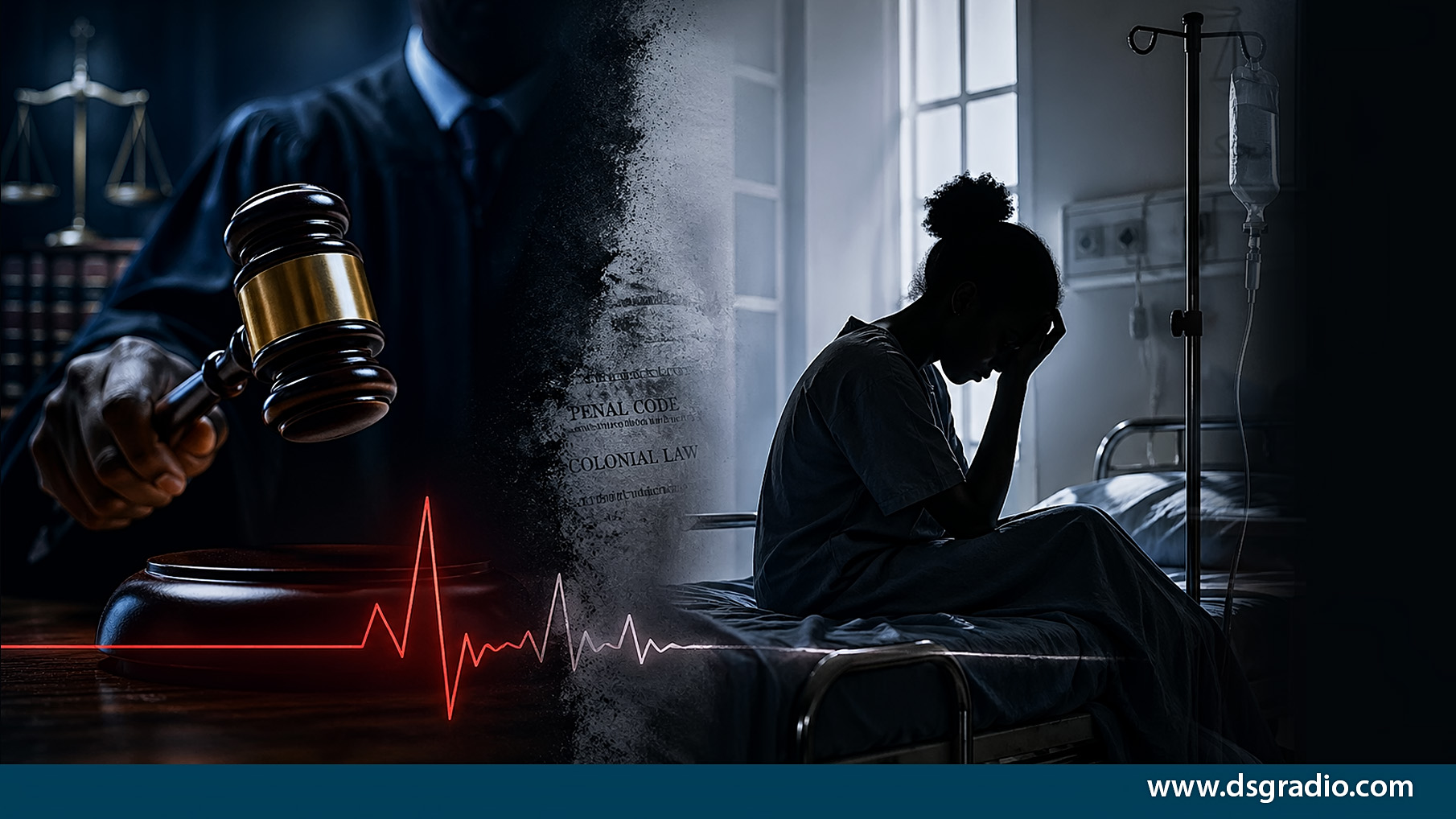
The Kenya abortion ruling has sparked renewed concerns over public health, legal uncertainty, and reproductive rights after the country’s Court of Appeal overturned a landmark High Court decision that had affirmed access to abortion as a constitutional right. The ruling, delivered on Friday, redefines how abortion laws are interpreted in Kenya, raising fears about unsafe abortion practices and enforcement ambiguities affecting women and healthcare providers.
Legal Shift Rekindles National Debate
The Kenya court decision reverses a March 2022 High Court ruling that had cleared charges against a teenage girl and a clinician, while also affirming access to abortion as a protected right under certain circumstances.
However, appellate judges ruled that abortion is not a fundamental constitutional right, stating that:
- The right to life begins at conception
- Abortion is only permissible under limited conditions
- Authorities retain the power to investigate and prosecute suspected cases
The court emphasised that constitutional protections cannot obstruct criminal investigations tied to abortion-related cases.
This decision directly reopens longstanding legal ambiguities within Kenya’s legal framework.
Conflict Between the Constitution and the Penal Code
At the heart of the Kenya abortion ruling is a structural legal contradiction:
- Kenya’s 2010 Constitution permits abortion if the life or health of the mother is at risk
- The Penal Code, inherited from British colonial rule, criminalises abortion
This duality has created confusion among:
- Medical practitioners
- Law enforcement agencies
- Women seeking reproductive healthcare
Analysts say the ruling reinforces this tension instead of resolving it, leaving interpretation largely in the hands of investigators and courts.
Human Impact: The Kilifi Case
The case that triggered the legal battle dates back to September 2019 in Kilifi County.
A 16-year-old girl was:
- Arrested in a hospital bed
- Suffering complications from an abortion
- Charged with procuring an abortion
The attending clinician, Salim Mohammed, was:
- Arrested and detained for one week
- Charged with providing abortion services
Due to the inability to afford bail, the teenager was held in juvenile detention for over a month.
The High Court had previously:
- Quashed all charges
- Declared that patients must be protected from forced medical examinations
- Recognised abortion access under constitutional rights
That ruling has now been overturned, reinstating uncertainty over how similar cases will be handled moving forward.
Public Health Concerns Intensify
The Kenya abortion ruling comes against a backdrop of alarming public health statistics.
According to the Centre for Reproductive Rights:
- Seven women die daily from unsafe abortion complications
A joint study by the African Population and Health Research Centre, Kenya’s Ministry of Health, and the Guttmacher Institute found that:
- Over 790,000 induced abortions occurred in 2023
- More than 300,000 women required post-abortion care
These figures highlight a critical issue:
👉 Restrictive or unclear laws often drive women toward unsafe procedures.
Health experts warn that legal ambiguity could worsen:
- Delayed medical care
- Increased maternal mortality
- Fear among healthcare providers
Rights Groups React to the Ruling
The Centre for Reproductive Rights described the decision as:
- “Deeply disappointing”
- A threat to access to reproductive healthcare
The organisation announced plans to appeal to the Supreme Court, signalling that the legal battle is far from over.
Rights advocates argue that:
- Criminalisation discourages women from seeking help
- Police harassment and extortion remain prevalent
- Healthcare providers operate under the fear of prosecution
They maintain that the ruling undermines constitutional guarantees of:
- Dignity
- Health
- Freedom from inhumane treatment
Law Enforcement and Medical Practice Under Scrutiny
The Kenyan court decision also raises questions about enforcement:
- When is abortion legally justified?
- Who determines risk to the mother’s health?
- How will investigations be conducted?
Doctors may now face increased scrutiny, potentially leading to:
- Hesitation in providing emergency care
- Legal risks for post-abortion treatment
This could deepen mistrust between patients and healthcare systems.
Regional Context: Africa’s Divided Landscape
The Kenya abortion ruling reflects broader divisions across Africa on reproductive rights.
Across the continent:
- Some countries are expanding access to safe abortion services
- Others maintain strict legal prohibitions
The debate often intersects with:
- Religious beliefs
- Cultural norms
- Public health realities
Kenya’s case highlights how legal uncertainty—not just prohibition—can significantly impact outcomes.
For example, as seen in Sierra Leone’s abortion law debate, several African nations are grappling with balancing safety and legality.
What Happens Next?
The immediate implications of the Kenya abortion ruling include:
- Possible escalation to the Supreme Court
- Continued legal uncertainty for patients and doctors
- Heightened advocacy from rights groups
Long-term, the ruling may influence:
- Legislative reform debates
- Public health policy adjustments
- Judicial interpretation of constitutional rights
However, key questions remain unresolved.
Conclusion: A Defining Moment for Kenya’s Legal and Health Systems
The Kenya abortion ruling marks a critical turning point in the country’s legal and public health landscape.
While the court has clarified that abortion is not a fundamental right, it has also:
- Reinforced legal ambiguity
- Raised concerns over unsafe abortion in Kenya
- Intensified the national conversation on reproductive rights in Kenya
As appeals loom and debate deepens, Kenya now faces a complex challenge: Balancing constitutional interpretation, public health realities, and human rights protections.
🔗 Recommended Articles
You may also want to read:
- Sierra Leone’s abortion law debate intensifies
A look at how another African nation is addressing safe abortion policies amid rising health concerns. - Africa’s medical system faces mounting crisis
Explores broader healthcare system pressures that influence reproductive health outcomes. - Empowering Maasai girls against abuse
Highlights grassroots efforts to protect vulnerable girls across East Africa. - International Women’s Day 2025 focus on inclusion
Examines global advocacy for women’s rights, including reproductive health access.
About the Author