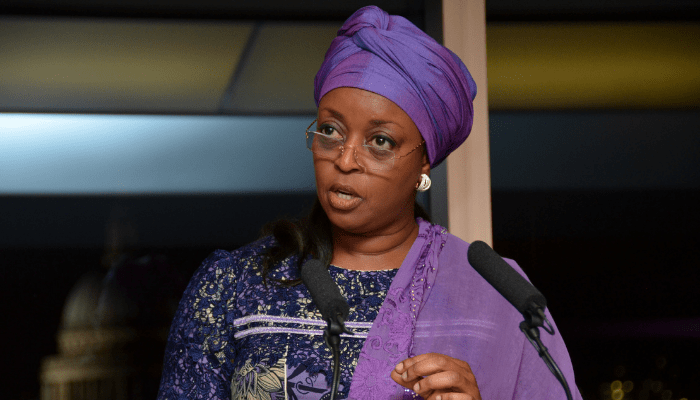
Diezani London Trial Reaches Critical Stage After Defence Closes
The Diezani London trial has entered a pivotal phase after former Nigerian Petroleum Minister Diezani Alison-Madueke concluded her defence at Southwark Crown Court in London in early May 2026. Facing multiple counts of bribery and conspiracy linked to Nigeria’s oil sector between 2010 and 2015, Alison-Madueke denied all allegations, insisting she neither controlled nor directly benefited from transactions under scrutiny. The case, prosecuted by the UK’s National Crime Agency (NCA), continues as one of the most high-profile international corruption trials involving a former African government official.
A Turning Point in the Diezani London Trial
The close of Alison-Madueke’s defence marks a significant milestone in the Diezani London trial, shifting proceedings toward final arguments and eventual judgment.
Prosecutors allege that during her tenure as Nigeria’s petroleum minister, she received financial benefits and luxury items in exchange for influencing oil contracts. These allegations form the basis of five criminal counts, each carrying potentially severe penalties, including up to a decade in prison if convicted.
However, Alison-Madueke has consistently denied wrongdoing, framing her defence around a lack of direct involvement and limited control over third-party financial dealings.
Defence Strategy: Distance and Delegation
A central pillar of Alison-Madueke’s argument in the Diezani corruption case is her claim that:
- She did not personally manage or authorise financial transactions linked to businessmen such as Kolawole Aluko
- Any benefits allegedly received were handled through intermediaries
- Payments or services connected to official duties were either legitimate or reimbursed
In court, she rejected claims that she knowingly benefited from expenditures reportedly exceeding $2.5 million on luxury shopping.
Her legal team further emphasised a broader administrative culture, suggesting that certain practices—such as third-party facilitation of official engagements—were not unusual within government circles at the time.
Jonathan’s Statement and the “Normal Practice” Argument
A notable element of the defence was the introduction of a statement attributed to former Nigerian President Goodluck Jonathan.
According to the court proceedings, Jonathan indicated that third-party payments covering ministers’ expenses during official engagements were not uncommon. This argument attempts to contextualise the alleged transactions within established administrative norms rather than criminal conduct.
However, prosecutors are expected to challenge this framing, arguing that such practices—if proven—do not negate the legal thresholds for bribery under UK law.

UK NCA Investigation and Global Reach
The UK NCA Nigeria case underscores the increasing globalisation of anti-corruption enforcement.
The National Crime Agency has alleged that Alison-Madueke received:
- Cash payments
- Private jet services
- High-value luxury goods
These benefits, prosecutors argue, were linked to decisions affecting lucrative oil contracts.
The trial demonstrates how Western law enforcement agencies are increasingly asserting jurisdiction over corruption cases involving foreign officials, particularly where financial systems, assets, or transactions intersect with their territories.
As reported by BBC, the case forms part of broader efforts to tackle illicit financial flows connected to politically exposed persons.
Asset Recovery and International Cooperation
Beyond criminal liability, the Diezani London trial is closely tied to international asset recovery efforts.
In 2025, authorities in the United States and Nigeria reached an agreement to repatriate over $50 million in assets linked to Alison-Madueke and her associates.
This development reflects a growing trend:
- Cross-border cooperation between governments
- Use of financial intelligence to trace illicit wealth
- Increased pressure on jurisdictions to return recovered funds
The asset recovery process has become a key dimension of global anti-corruption frameworks, particularly in resource-rich countries like Nigeria.
Nigeria’s Oil Sector and the Stakes of Accountability
The Nigeria oil bribery trial carries significant implications for governance in Africa’s largest oil-producing nation.
Nigeria’s petroleum sector has long been central to:
- National revenue generation
- Foreign investment flows
- Political power dynamics
Allegations of corruption within the sector have historically undermined public trust and economic development.
This trial, therefore, is not only about individual accountability but also about:
- Institutional credibility
- Transparency in resource management
- Nigeria’s global reputation
What the Diezani London Trial Means for Anti-Corruption Efforts
1. Global Enforcement is Expanding
The case highlights how corruption investigations increasingly transcend national borders.
2. Legal Standards Are Being Tested
Arguments around “normal practice” versus criminal conduct may set precedents for future prosecutions.
3. Nigeria’s Image Is at Stake
The outcome could influence perceptions of Nigeria’s commitment to tackling corruption at the highest levels.
4. Asset Recovery Is Becoming Central
Financial restitution is now as critical as a criminal conviction in global anti-corruption strategy.
Legal Status and What Comes Next
Alison-Madueke remains under travel restrictions in the United Kingdom pending the conclusion of the trial.
With the defence now closed, the court is expected to proceed with:
- Final submissions from both prosecution and defence
- Judicial deliberation
- Potential verdict in the coming months
Details regarding the exact timeline for judgment were not specified in the original report.
Broader Implications for International Justice
The Diezani London trial reflects a broader shift in how corruption cases are handled globally.
Increasingly, authorities are:
- Leveraging international legal frameworks
- Collaborating across jurisdictions
- Targeting complex financial networks
For Nigeria, the case intersects with ongoing domestic debates about governance, transparency, and accountability, issues that continue to shape public discourse and policy direction.
Recommended Coverage:
- Natasha Defamation Appeal Reshapes ₦1bn Legal Battle
A high-profile Nigerian court case examining reputational law and judicial interpretation in complex financial disputes. - Nigeria Coup Trial Sparks Jurisdiction Debate
Explores legal tensions between military and civilian courts in handling sensitive national security cases. - FG Files Treason Charges Against Sylva, Others
Highlights the Nigerian government’s approach to prosecuting political and security-related offences. - Nigeria Sanctions 48 Over Terror Financing
Examines financial crime enforcement and its implications for national security and global compliance frameworks.
About the Author