King Charles US Visit Tests Fragile UK–US Relations
The King Charles US visit begins under mounting diplomatic strain, as the British monarch arrives in Washington for a four-day state visit aimed at easing tensions between the United Kingdom and the United States. With President Donald Trump openly criticising British leadership and policy positions, the visit is widely seen not as ceremonial, but as a high-stakes test of whether royal diplomacy can stabilise a strained transatlantic alliance.
Why King Charles’ Visit Comes at a Critical Moment
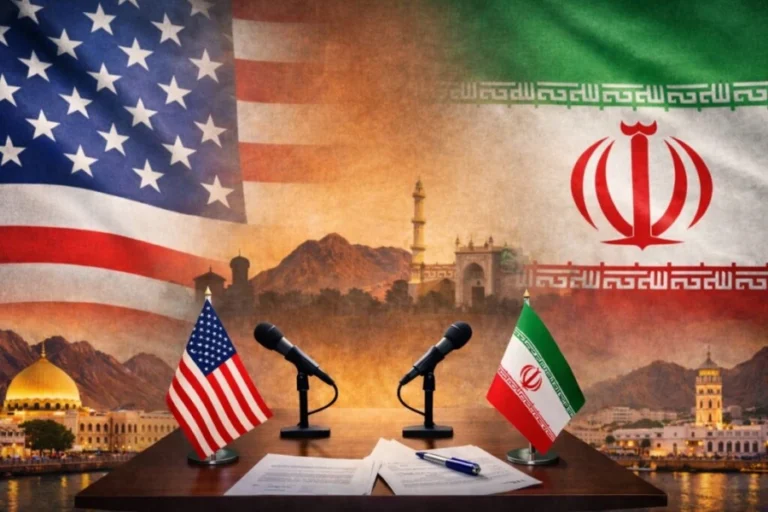
The timing of the King Charles US visit reflects growing friction between London and Washington. Relations have deteriorated following disagreements over the United States’ military posture toward Iran and broader geopolitical strategy.
President Donald Trump has sharply criticised British Prime Minister Keir Starmer, describing him as a “loser” and questioning Britain’s global relevance. He has also dismissed the strength of the UK’s military capabilities, signalling a significant shift in tone from earlier praise of the “special relationship.”
Despite this backdrop, King Charles III has arrived in Washington for a state visit marking the 250th anniversary of American independence—an event rooted in shared history but overshadowed by present-day tensions.
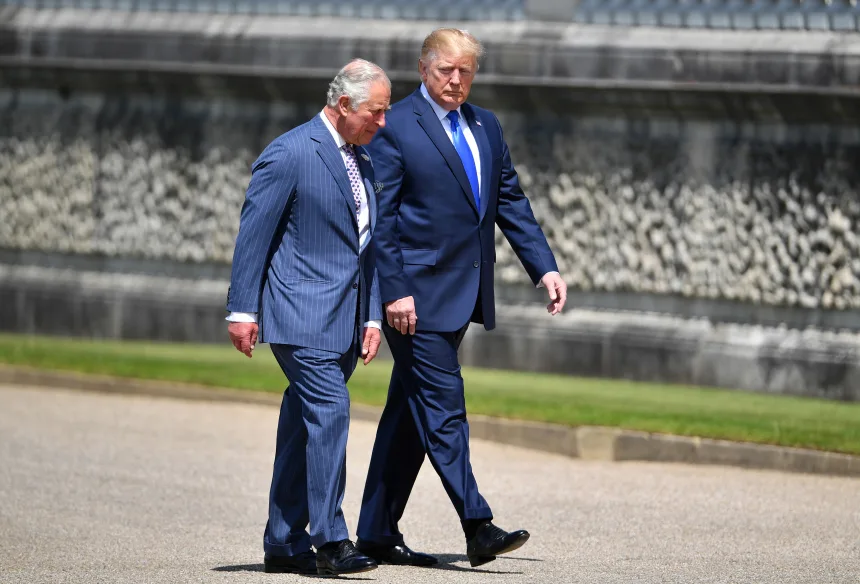
According to a CNN report, the visit includes meetings with President Trump, an address to a joint session of Congress, and engagements across Washington, New York, and Virginia.
Trump’s Criticism and Strained UK–US Relations
The Trump-Britain relationship has become increasingly strained in recent months, with policy disagreements at the centre of the divide.
Key areas of tension include:
- Iran Conflict: The UK government’s refusal to fully support US military actions against Iran
- Defence Perception: Trump’s remarks dismissing British military capabilities
- Leadership Disputes: Personal criticism of Prime Minister Starmer
Trump’s recent statement that the relationship is “not good, not good at all” underscores the diplomatic challenge facing the British delegation.
At the same time, British officials have emphasised that the alliance extends beyond any single administration, highlighting long-standing cooperation in defence, intelligence, and global governance.
Can Royal Diplomacy Influence Political Power?
The King Charles US visit places the monarch in a unique role as a soft-power diplomat, operating above political divisions while attempting to influence outcomes through symbolism and personal engagement.
Unlike elected officials, King Charles does not negotiate policy. However, his position allows him to:
- Engage in private conversations with global leaders
- Reinforce shared cultural and historical ties
- Project stability during periods of political uncertainty
A former British ambassador to the United States noted that such engagements provide “an opportunity for private conversations on some really important issues.”
This raises a broader question:
Can symbolic diplomacy still shape real-world geopolitical outcomes in an era defined by transactional politics?
Key Issues Dividing Washington and London
Several structural disagreements are shaping the current UK US relations tension:
1. Iran and Military Strategy
The UK’s cautious stance on US military escalation in Iran has created friction, exposing differences in foreign policy priorities.
2. Climate Policy Clash
King Charles, known for decades of environmental advocacy, stands in contrast to Trump’s pro-fossil-fuel stance and his criticism of renewable energy initiatives.
3. Redefining the “Special Relationship”
Once described as a cornerstone of global stability, the UK–US alliance is now being tested by:
- Diverging strategic interests
- Shifting global power dynamics
- Domestic political pressures in both countries
A Visit Beyond Politics: Public Diplomacy in Focus
While high-level meetings dominate headlines, the royal diplomatic visit is also designed to engage directly with the American public.
Planned engagements include:
- A wreath-laying ceremony honouring fallen service members
- Visits to the 9/11 memorial and first responders
- Community outreach initiatives in New York and Harlem
- Meetings with Indigenous communities in Virginia
These efforts aim to reinforce the broader relationship between the two nations, beyond political leadership.
Security Concerns and Changing Optics
The visit comes shortly after a security incident in Washington, where a gunman opened fire at a hotel hosting a media event attended by President Trump. Buckingham Palace confirmed that King Charles expressed relief that the president and attendees were unharmed.
While the visit schedule remains largely unchanged, minor adjustments have been made to ensure safety.
Historical Context: A Relationship Tested Before
The current tensions are not unprecedented. The UK–US alliance has endured multiple crises, including:
- The War of 1812
- The Suez Crisis
- Disagreements during the Vietnam War
- Diverging policies in the Cold War era
Despite these challenges, both countries have historically returned to cooperation during major global conflicts and institutional developments, including the formation of the United Nations.
What This Visit Means for Future Alliances
The King Charles’ US visit may have implications that extend beyond the immediate diplomatic moment.
Short-Term Impact
- Potential easing of rhetoric between Washington and London
- Reinforcement of diplomatic channels
Long-Term Implications
- Testing the relevance of monarchy in modern diplomacy
- Setting a precedent for future engagements under Prince William
- Shaping the trajectory of UK–US relations in a multipolar world
British sources have emphasised that the relationship “transcends the presidency,” suggesting that current tensions may be temporary within a broader historical framework.
Global Perspective: Why This Matters Beyond the UK and US
The outcome of this visit carries global significance, particularly for regions closely tied to Western alliances, including Africa.
For countries like Nigeria:
- UK–US cooperation influences global security frameworks
- Trade and investment flows are affected by transatlantic stability
- Diplomatic alignment impacts international policy decisions
As global tensions rise, including debates over Middle East conflicts and shifting alliances, the strength of the UK–US relationship remains a key factor in international stability.
The King Charles’ US visit represents more than a ceremonial exchange—it is a strategic moment in a shifting geopolitical landscape. As tensions between Washington and London test the limits of the “special relationship,” the British monarch’s role as a diplomatic bridge is under unprecedented scrutiny.
Whether royal diplomacy can meaningfully influence political realities remains uncertain. However, the visit underscores a broader truth:
Even in an era of hard power and political rivalry, symbolism, history, and personal engagement continue to shape the course of international relations.
🔗 Recommended Articles
You may also want to read:
- UK Targets 2035 Women’s World Cup Hosting Bid
Explores Britain’s global positioning strategy beyond diplomacy, highlighting soft power ambitions. - Starmer Rejects US Hormuz Strategy Move
Provides context on the UK’s refusal to align with US military plans, a key source of current tensions. - Global Tensions and World War 3 Risks Explained
Examines broader geopolitical instability that frames the current UK–US diplomatic strain. - Countries Recognising Palestine: Full List
Offers insight into global diplomatic divides shaping Western alliances and foreign policy debates.
About the Author