Peter Obi ADC Exit: Obi, Kwankwaso Join NDC
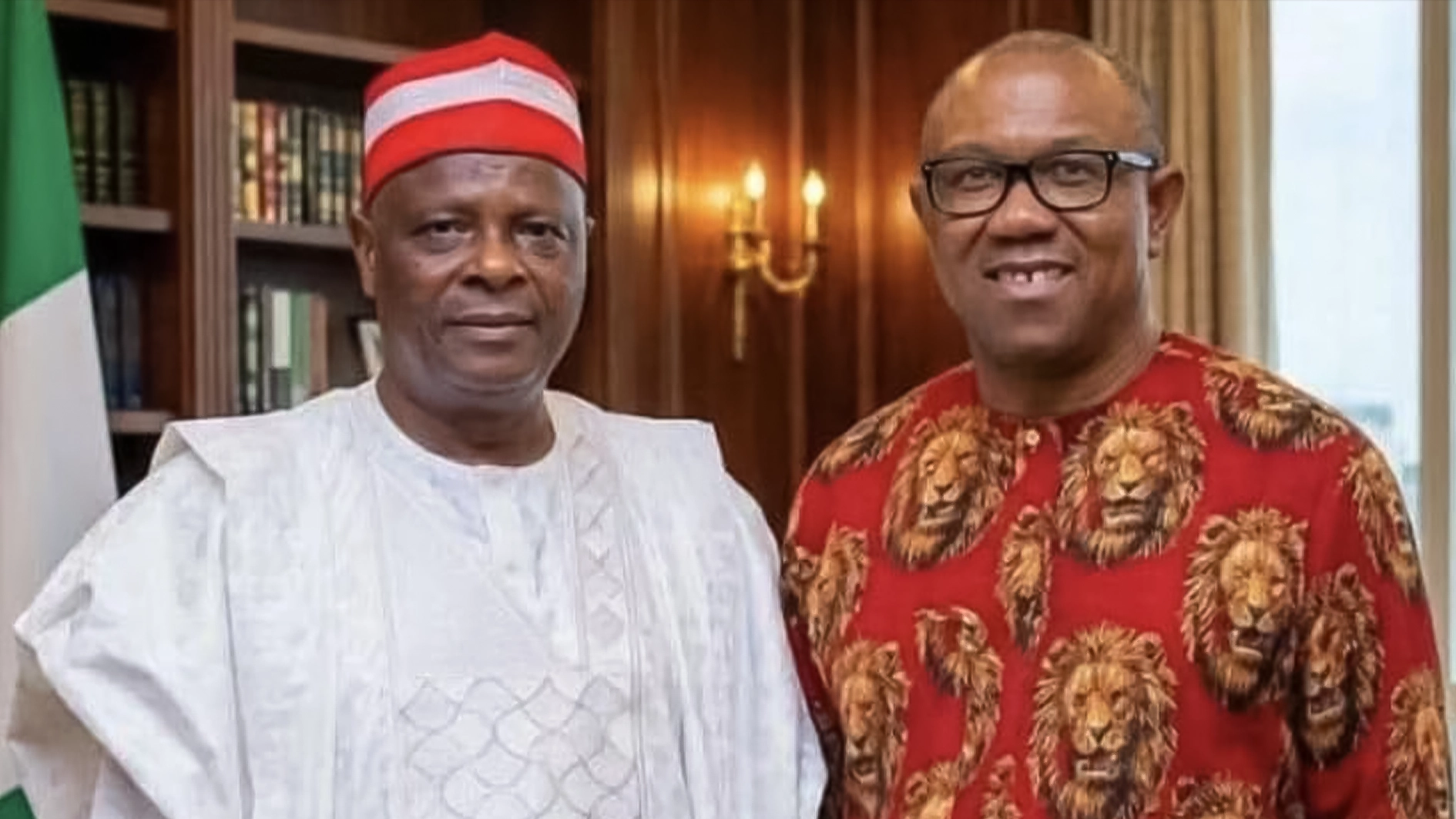
The Peter Obi ADC exit has now culminated in a confirmed political realignment, as former presidential candidates Peter Obi and Rabiu Musa Kwankwaso have officially declared for the Nigeria Democratic Congress (NDC). The declaration, made in Abuja on Sunday, signals a major shift in Nigeria’s opposition landscape ahead of the 2027 general election.
Obi, Kwankwaso Officially Join NDC
Peter Obi and Rabiu Musa Kwankwaso formally aligned with the NDC following a closed-door meeting with party leaders, including National Leader Seriake Dickson, at his Abuja residence and the party’s secretariat.
The two politicians:
- Arrived with supporters
- Held strategic consultations with NDC leadership
- Confirmed their decision to join the party
Their declaration marks the transition from earlier speculation to a confirmed alliance, positioning the NDC as a potential new hub for opposition coordination.
The meeting and subsequent declaration represent a significant consolidation effort among opposition figures seeking an alternative political platform.
Why Peter Obi Left ADC
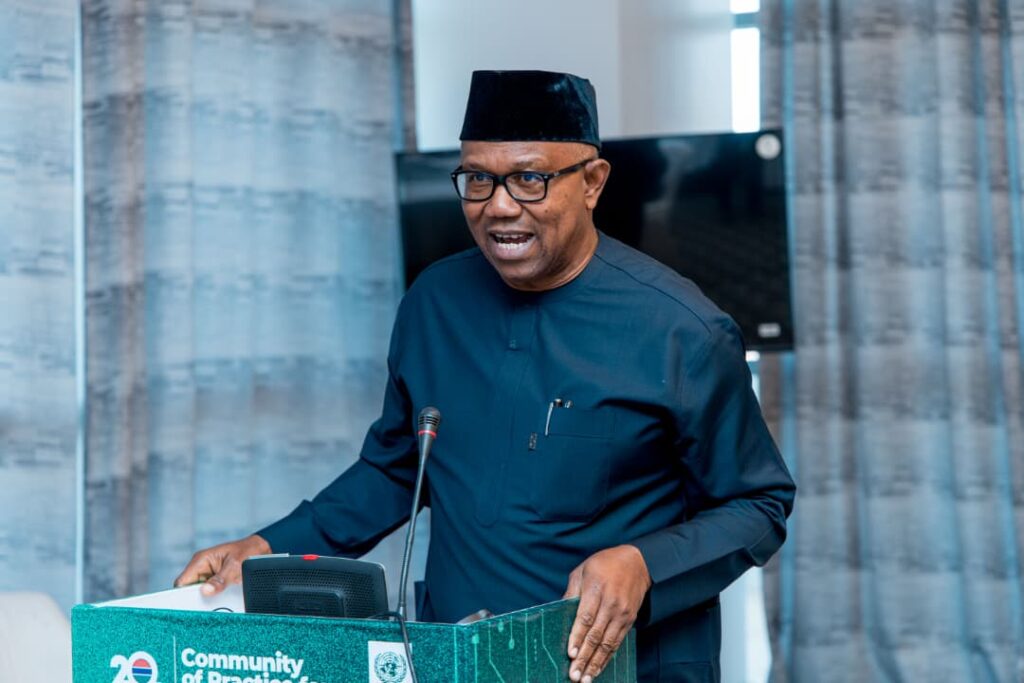
The Peter Obi ADC exit followed what he described as sustained internal crises and a deteriorating political environment within the party.
In a statement issued on Sunday, Obi cited:
- Internal divisions and leadership disputes
- External interference
- Persistent hostility within party structures
- A broader toxic political climate
He emphasised that his decision was not driven by personal disagreements with party leaders, including David Mark and Atiku Abubakar, whom he said he continues to respect.
Obi also highlighted recurring systemic issues in Nigeria’s political environment, including intimidation and misrepresentation of reform efforts, which he said undermine genuine service.
Inside the ADC Crisis
The Peter Obi ADC exit underscores deeper structural problems within the ADC.
The party has recently faced:
- Protracted leadership disputes
- Legal battles and court cases
- Internal fragmentation
- Strategic disunity
These issues have weakened its ability to function as a cohesive opposition force.
Obi noted that similar patterns of instability previously observed in the Labour Party were beginning to manifest in the ADC, which contributed to his decision to leave.
Nigeria Opposition Realignment Gains Momentum
The confirmed move by Obi and Kwankwaso reflects a broader Nigeria opposition realignment, as political actors reposition ahead of the 2027 elections.
Key developments include:
- Formation of new alliances
- Migration of influential figures across parties
- Emergence of alternative political platforms
The NDC, previously considered a smaller platform, now gains prominence with the entry of two nationally recognised political figures.
Historical Context: Obi’s Political Trajectory
The Peter Obi ADC exit forms part of a broader pattern in his political journey.
His affiliations have evolved over time:
- APGA
- PDP
- Labour Party (LP)
- African Democratic Congress (ADC)
- Now NDC
Each transition reflects shifting political alliances and strategic recalibrations within Nigeria’s evolving party system.
Electoral Implications for 2027
The alignment of Obi and Kwankwaso with the NDC introduces new variables into the 2027 election landscape in Nigeria.
Regional Influence
- Obi commands strong support in the Southeast
- Kwankwaso maintains influence in the Northwest
Coalition Building
- Their alliance may attract other opposition figures
- NDC could evolve into a coalition platform
Voter Demographics
- Obi retains strong youth support
- Kwankwaso’s grassroots network strengthens northern reach
Opposition Dynamics
- ADC’s internal crisis may deepen
- PDP and other opposition parties may face renewed competition
APC Reaction Highlights Political Tensions
The ruling All Progressives Congress (APC) has reacted sharply to the Peter Obi-ADC exit and subsequent developments.
APC spokesperson Felix Morka described Obi as a “political rolling stone,” alleging that he frequently moves between parties in search of political advantage.
While the remarks reflect partisan positioning, they also underscore the significance of the emerging opposition alignment.
Governance Concerns Remain Central
Despite the political shifts, Obi reiterated that his focus remains on addressing Nigeria’s pressing challenges.
He identified key national concerns, including:
- Insecurity
- Poverty
- Displacement
Obi emphasised that his political engagement is driven by a commitment to improving citizens’ welfare rather than seeking political office.
What This Means for Nigeria’s Political Future
The Peter Obi ADC exit, followed by the confirmed move to the NDC, marks a defining moment in Nigeria’s political evolution ahead of 2027.
Potential outcomes include:
- Strengthening of a new opposition bloc
- Increased electoral competition
- Continued political realignment across parties
However, the long-term stability and effectiveness of the emerging alliance remain uncertain.
Details regarding future political arrangements, including potential joint candidacies or coalition agreements, were not specified in the original reports.
Recommended Coverage
You may also want to read:
- INEC–ADC Dispute Deepens Before 2027 Elections
Examines how legal battles within ADC could affect opposition readiness for the next election. - FG Allocates N135bn for Election Lawsuits Ahead of 2027
Provides insight into the growing financial and legal pressures surrounding Nigeria’s electoral process.
About the Author