Nigeria insecurity surge despite US support
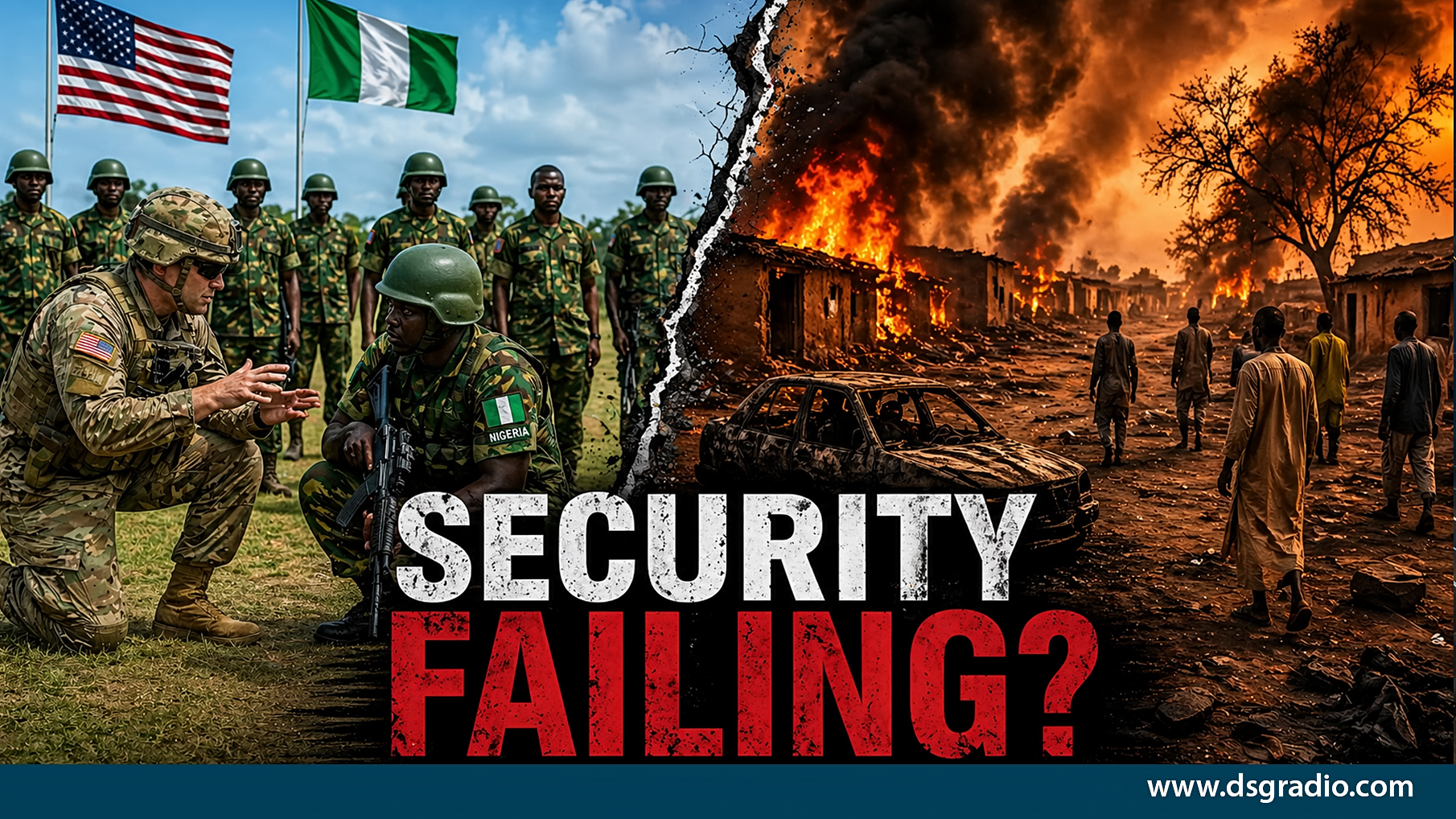
ABUJA/LAGOS — April 2026 — Nigeria’s security landscape is facing renewed scrutiny as a Nigeria insecurity surge unfolds despite expanded military cooperation with the United States, raising critical questions about the effectiveness of the current counterterrorism strategy.
Roughly 100 US military personnel have been deployed to Nigeria since February 2026 to provide training and intelligence support to local forces. The deployment followed intensified collaboration after joint airstrikes in December 2025 targeting militant groups in the North. However, recent developments suggest that insecurity has not eased—instead, attacks appear to be rising.
The contradiction between increased foreign support and worsening security conditions is now at the centre of public debate.
Growing Nigeria Insecurity Surge Despite Foreign Support
The Nigeria insecurity surge has been marked by a series of violent incidents in 2026, including attacks linked to insurgent groups such as ISWAP and emerging factions like Lakurawa.
Despite expectations that US involvement would lead to immediate improvements, reports indicate:
- Continued attacks across northern Nigeria
- Expansion of militant group activities
- Rising civilian casualties in conflict-prone areas
This trend has fueled concern among citizens and analysts who expected a reduction in violence following the arrival of US personnel.
US Troops Nigeria Impact: What Role Are They Playing?
The presence of US troops has been widely discussed, but their role remains limited in scope.
According to available information:
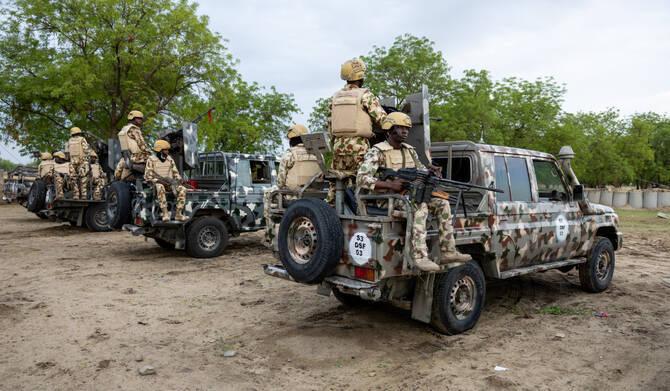
- Approximately 100 US personnel are deployed
- Their mission focuses on training and intelligence support
- They are stationed in strategic locations, including Bauchi State
- They are not directly involved in combat operations
This aligns with earlier reports, including coverage by DSG Herald’s partner platform on U.S. military trainers arriving in Nigeria for counterterrorism.
Security analysts note that such missions are typically long-term and may not produce immediate battlefield results.
Terror Attacks Nigeria 2026: Expectation vs Reality
The expectation surrounding US involvement was clear: improved intelligence, better coordination, and a gradual reduction in attacks.
However, the reality appears different.
The terror attacks in Nigeria 2026 timeline shows:
- Increased frequency of attacks in northern regions
- Continued activity in known hotspots such as Sambisa Forest
- Expansion of insurgent operations beyond traditional strongholds
This gap between expectation and outcome has raised fundamental questions:
- Why has insecurity not declined?
- Are current strategies sufficient?
- Is the threat evolving faster than the response?
ISWAP Violence in Nigeria and Emerging Threats
One of the most significant drivers of the Nigeria insecurity surge is the continued strength and adaptation of insurgent groups.
ISWAP remains a dominant force, while newer groups such as Lakurawa are gaining attention.
These groups have demonstrated:
- Increased operational flexibility
- Cross-border coordination within the Sahel region
- Ability to exploit local vulnerabilities
The broader Sahel crisis has also contributed to instability, as militants have moved across porous borders and expanded their influence.
Why the Nigeria Insecurity Surge Persists
Experts and observers point to several key factors explaining why insecurity is rising despite US support.
1. Limited Scope of US Involvement
The US role is largely advisory:
- Training Nigerian forces
- Providing intelligence support
- Conducting surveillance operations
Without direct combat involvement, the impact may take time to materialise.
2. Rapid Evolution of Terror Groups
Militant groups are adapting quickly:
- Changing tactics
- Expanding territories
- Leveraging regional instability
This creates a moving target for security forces.
3. Structural Challenges Within Nigeria
Long-standing issues continue to fuel insecurity:
- Poverty and unemployment
- Weak governance in affected regions
- Porous borders enabling the movement of fighters
These underlying conditions remain largely unchanged.
4. Possible Backlash Effects
Some analysts warn that foreign military presence can have unintended consequences:
- Extremist groups may use it for propaganda
- Recruitment narratives may intensify
- Local distrust could grow
However, these claims remain debated and cannot be independently verified in all instances.
Public Reaction: Questions Over Effectiveness
Public sentiment is increasingly shaped by the visible disconnect between strategy and outcomes.
Many Nigerians are asking:
- Is the partnership delivering results?
- Why are attacks still increasing?
- Should the strategy be revised?
There are also concerns about national sovereignty and the long-term implications of foreign military presence.
Regional and Global Implications
The Nigeria insecurity surge is not just a domestic issue—it has wider implications.
Nigeria plays a central role in West African security, and instability could:
- Affect neighbouring countries
- Strengthen extremist networks across the Sahel
- Influence global counterterrorism strategies
International observers continue to monitor developments closely.
Official Position and Ongoing Strategy
The Nigerian government and US authorities maintain that the partnership is aimed at:
- Building long-term capacity
- Enhancing intelligence capabilities
- Strengthening counterterrorism operations
Officials emphasise that results may take time and that the strategy is evolving.
Details on specific operational outcomes remain limited, and some aspects were not specified in the original report.
Conclusion: A Strategy Under Scrutiny
The Nigeria insecurity surge has placed US-Nigeria security cooperation under intense scrutiny.
While the partnership represents a significant shift toward intelligence-driven operations, the rising number of attacks suggests that challenges remain deeply entrenched.
As Nigeria navigates this complex security landscape, the key question persists:
Can current strategies deliver long-term stability, or is a broader rethink required?
For now, the gap between expectation and reality continues to define the narrative.
🔗 Recommended Coverage:
- Kwara Monarch Abduction Sparks Security Alarm
A high-profile abduction highlights the spread of insecurity beyond traditional conflict zones. - Brigadier General Killed in Borno Attack
The killing of a senior military officer underscores the growing threat to security forces. - Easter Attacks Leave 16 Dead
Coordinated attacks during a religious period reflect escalating violence across regions. - Boko Haram Rehabilitation Debate
Government reintegration programs raise questions about long-term counterterrorism strategies. - US Concern Over Plateau Killings
International reactions highlight global attention on Nigeria’s worsening security situation.
About the Author