WHO Declares Ebola Outbreak Global Emergency as Bundibugyo Virus Spreads Across Central Africa
The World Health Organisation (WHO) has declared the ongoing Ebola outbreak in the Democratic Republic of the Congo (DRC) and neighbouring Uganda a Public Health Emergency of International Concern, warning that the spread of the rare Bundibugyo virus poses a growing threat to regional and international health security. The declaration comes as confirmed infections and deaths continue to rise, while health authorities struggle to contain transmission in affected communities where no approved vaccine or targeted treatment currently exists.
The emergency designation places the outbreak among the most serious public health threats globally and is expected to trigger increased international support, surveillance measures, and funding to prevent wider cross-border transmission.
The Ebola Outbreak Reaches a Critical Stage
Health authorities say the current Ebola outbreak differs significantly from previous outbreaks caused by the more widely studied Zaire strain of the virus.
This outbreak involves the relatively rare Bundibugyo species of Ebola virus, a variant for which there are currently no licensed vaccines and no approved antiviral therapies.
According to official figures released by authorities in the DRC, at least 837 confirmed infections and 196 deaths have been recorded. The eastern province of Ituri remains the centre of the crisis, with communities experiencing sustained transmission despite containment efforts.
Uganda has also confirmed infections linked to cross-border movement, reporting at least 15 cases and one death.
The WHO’s declaration reflects growing concern that existing response mechanisms are struggling to keep pace with the speed of transmission.
Medical humanitarian organisation Doctors Without Borders (MSF) has warned that the crisis is advancing faster than current intervention efforts, increasing the risk of broader regional spread.
Why This Ebola Outbreak Is Different
The Bundibugyo Virus Challenge
The current Ebola outbreak is drawing global attention because it is being driven by the Bundibugyo virus species rather than the more common Ebola variants responsible for previous major epidemics.
Unlike outbreaks where vaccines have helped curb transmission, health workers currently lack a proven vaccine specifically approved for this strain.
This limitation means authorities must depend heavily on traditional disease-control measures such as:
- Rapid identification of cases
- Contact tracing
- Isolation of infected patients
- Community education
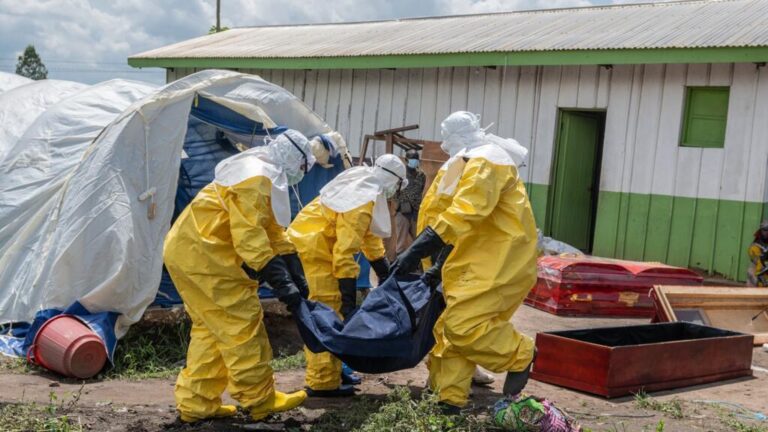
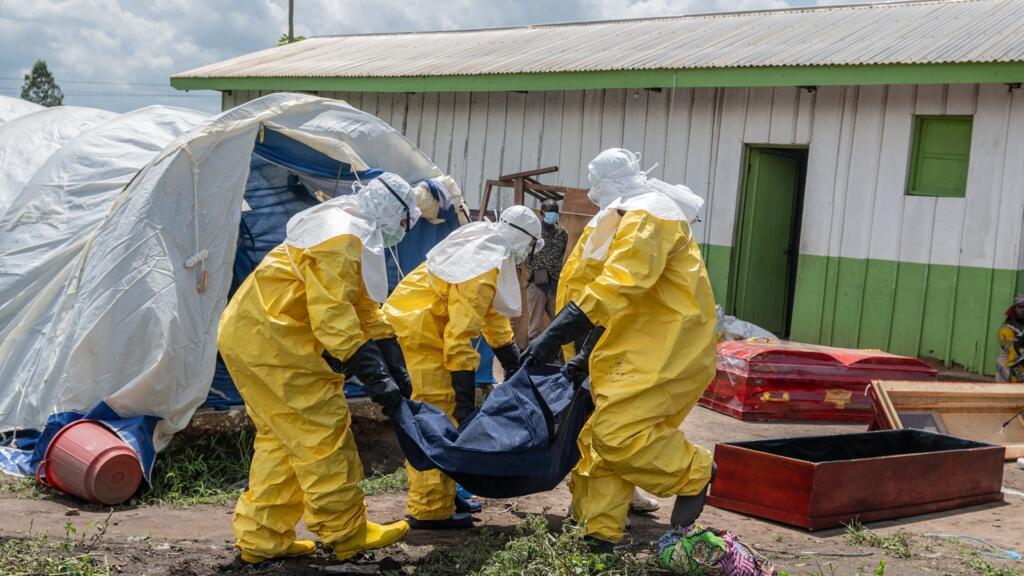
- Safe burial procedures
- Border health surveillance
Public health experts say these methods can be highly effective when implemented quickly, but become more difficult when outbreaks spread across remote or conflict-affected areas.
WHO Health Emergency Declaration Raises Global Alarm
The designation of a Public Health Emergency of International Concern is reserved for events that present extraordinary risks to multiple countries and require coordinated international action.
The WHO’s decision signals concern not only for affected areas but also for neighbouring countries that face increased exposure due to trade routes, migration, and cross-border travel.
According to WHO assessments, the outbreak now carries implications beyond national borders and could strain already fragile health systems if transmission accelerates.
The emergency declaration is expected to unlock additional resources from international partners and encourage governments to strengthen preparedness measures.
Regional Governments Tighten Border Controls
As fears surrounding the Ebola outbreak grow, several governments have moved quickly to limit potential transmission pathways.
Rwanda has reportedly closed its border with the DRC in response to the escalating health crisis.
Uganda has introduced restrictions affecting public transport crossing from the DRC, while authorities continue intensified monitoring of travellers entering the country.
These measures are designed to slow transmission while allowing health officials more time to identify and isolate suspected cases.
However, experts warn that prolonged border restrictions could affect trade flows and local economies that depend heavily on cross-border commerce.
Many communities in Central and East Africa rely on the daily movement of goods and people, meaning public health measures must balance disease control with economic realities.
Enhanced International Screening Begins
The impact of the Ebola outbreak is already being felt beyond Africa.
The United States has introduced enhanced travel screening protocols for passengers arriving from affected areas.
Travellers linked to the DRC, Uganda, and South Sudan are reportedly being directed to designated airports for additional health assessments.
Such screening measures have become common during major disease outbreaks, helping authorities identify potential infections before wider community transmission occurs.
While no widespread international transmission has been reported, health agencies continue to stress vigilance.
Testing Capacity Expands in the DRC
One of the most significant developments in the response effort has been the expansion of diagnostic capabilities inside the DRC.
The Congolese government has established four specialised laboratories in Ituri province, dramatically reducing testing turnaround times.
Authorities say samples can now be processed in less than 24 hours, a major improvement that enables quicker case confirmation and faster isolation procedures.
Public health specialists note that rapid testing is critical during Ebola outbreaks because delays can allow infected individuals to unknowingly transmit the virus to family members, healthcare workers, and communities.
Improved laboratory capacity is therefore viewed as one of the most important tools currently available in the fight against the Bundibugyo virus.
Africa Faces Wider Public Health Risks
The Africa Centres for Disease Control and Prevention (Africa CDC) has identified several neighbouring countries as being at elevated risk.
These include:
- South Sudan
- Rwanda
- Kenya
- Burundi
- Tanzania
The concern stems from extensive regional mobility and commercial activity linking these countries to affected zones.
Health authorities are increasing preparedness measures, including surveillance at border crossings, training healthcare workers, and stockpiling protective equipment.
The outbreak also highlights broader concerns regarding health system resilience across parts of Africa, where many countries continue to face resource limitations.
Nigerian Relevance: Why Nigerians Should Pay Attention
Although Nigeria has not reported cases linked to the current outbreak, public health experts say vigilance remains important.
Nigeria’s experience during the 2014 Ebola crisis demonstrated the importance of rapid detection, contact tracing, and coordinated government response.
As one of Africa’s largest transportation and commercial hubs, Nigeria routinely receives travellers from across the continent.
Health authorities are therefore expected to maintain surveillance systems designed to identify imported cases quickly should risks increase.
The outbreak serves as a reminder that infectious diseases can cross borders rapidly in an interconnected world.
For readers seeking more background on the disease, see our explainer on Ebola virus symptoms and prevention
The current crisis also underscores concerns about healthcare infrastructure across the continent, a challenge explored further in Africa’s health system pressures during major outbreaks.
Community Resistance Remains a Challenge
Containment efforts are also encountering social and political obstacles.
In Kenya, protests reportedly erupted in Nanyuki over plans to establish a U.S.-supported Ebola quarantine and isolation facility.
Such reactions highlight a recurring challenge during disease emergencies: public trust.
Health officials often stress that misinformation, fear, and community resistance can complicate response efforts and undermine containment strategies.
Successful outbreak control frequently depends not only on medical interventions but also on effective communication and community engagement.
How Ebola Is Being Contained
Without a licensed vaccine against the Bundibugyo strain, public health authorities continue emphasizing proven prevention measures.
Preventing the Ebola Outbreak Through Early Detection
Early identification and isolation remain the most effective tools available.
Individuals showing symptoms must be separated quickly to prevent household and healthcare-related transmission.
Preventing the Ebola Outbreak Through Safe Practices
Authorities continue urging the public to:
- Wash your hands frequently with soap and water
- Use alcohol-based sanitisers
- Avoid contact with bodily fluids
- Report symptoms immediately
- Follow guidance from health officials
- Allow trained teams to conduct safe burials
Experts say these measures have historically played a critical role in bringing Ebola outbreaks under control.
What Happens Next?
The coming weeks are expected to be decisive.
International health agencies, African governments, and humanitarian organisations are increasing coordination efforts to prevent further spread.
Key priorities include:
- Expanding surveillance
- Accelerating testing
- Improving treatment capacity
- Strengthening border monitoring
- Enhancing public awareness campaigns
According to WHO assessments and BBC reporting, the success of these measures will determine whether the outbreak can be contained before wider regional transmission occurs.
For now, the WHO’s emergency declaration sends a clear message: the current Ebola outbreak is no longer solely a local health crisis but a challenge with regional and global implications requiring urgent international action.
Recommended Coverage
1. Bundibugyo Ebola Cases Rise as Travel Alerts Expand
Explores how governments and international agencies are responding to growing concerns over cross-border transmission.
2. Mystery Illness in DRC Sparks New Health Concerns
Provides broader context on disease surveillance challenges facing the Democratic Republic of the Congo.
3. Africa’s Healthcare Systems Face Mounting Pressure
Examines structural healthcare challenges that complicate responses to major disease outbreaks across the continent.
About the Author