US Iran Peace Deal Could Ease Fuel Pressure in Nigeria
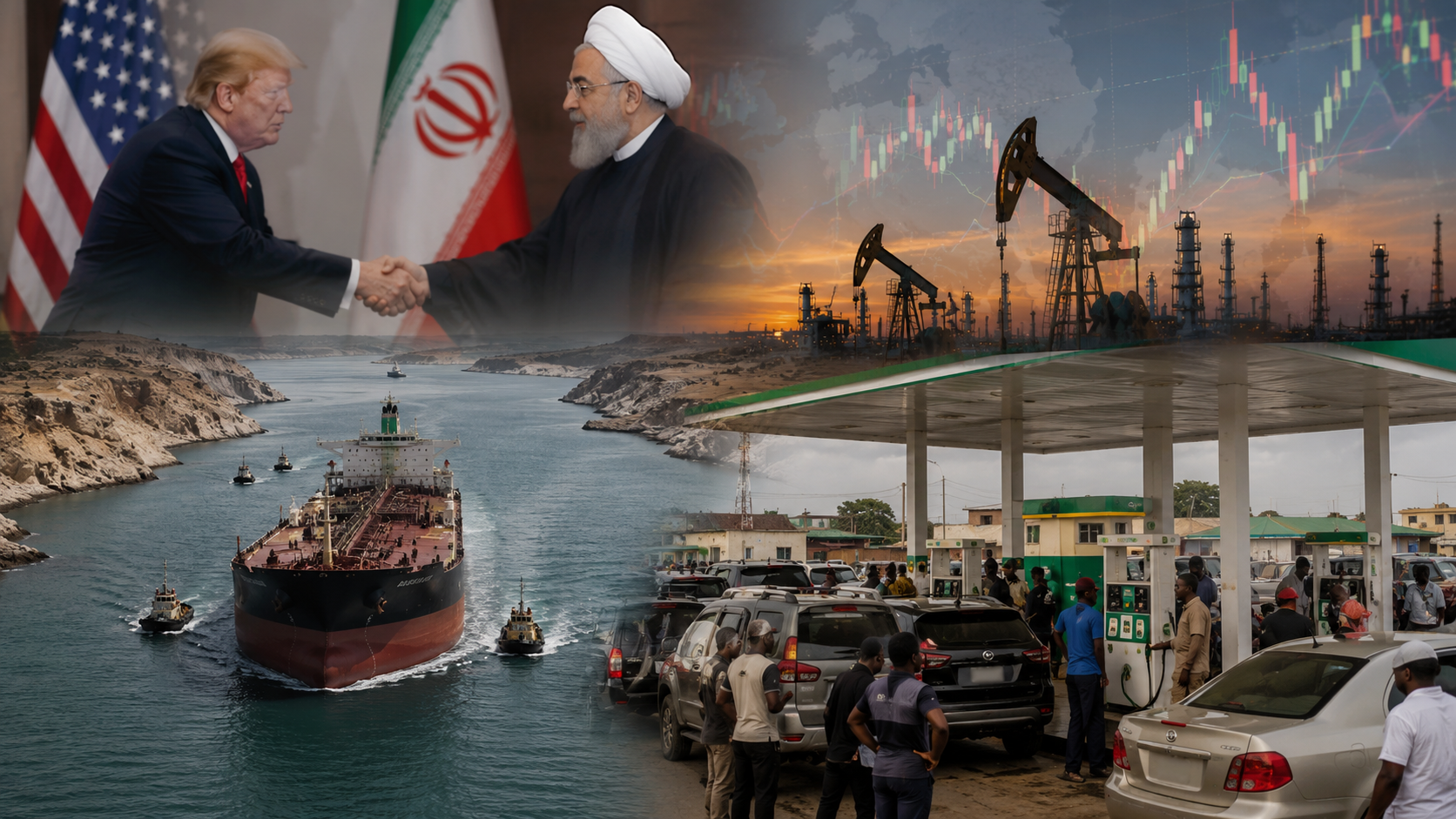
The US Iran Peace Deal signed between United States President Donald Trump and Iranian President Masoud Pezeshkian is being closely watched across global markets, not only because it could end a dangerous regional conflict but also because of its potential economic consequences far beyond the Middle East.
The initial 14-point memorandum of understanding (MoU), ratified electronically by both leaders and signed by Trump during a dinner at the Palace of Versailles following the G7 summit, establishes an immediate ceasefire framework and opens a 60-day negotiation window toward a permanent peace settlement.
While much of the international attention has focused on diplomacy, nuclear issues and regional security, the agreement may have significant implications for Nigeria and other African economies that remain highly exposed to fluctuations in global energy markets.
For millions of Nigerians struggling with high transportation costs, inflationary pressures and economic uncertainty, the most important question may not be what happens in Washington or Tehran, but whether the agreement ultimately leads to lower fuel costs and improved economic stability.
Understanding the US Iran Peace Deal
The agreement contains several major provisions aimed at reducing tensions and rebuilding confidence between both countries.
Among the most significant elements are:
• An immediate ceasefire involving both countries and their regional allies.
• Reopening of the Strait of Hormuz to commercial maritime traffic.
• The lifting of the United States naval blockade on Iranian ports.
• Iranian commitments regarding its nuclear programme, including dilution of existing highly enriched uranium stockpiles under International Atomic Energy Agency supervision.
• US waivers allowing Iran to resume crude oil exports and regain access to international banking services.
• Plans for a proposed $300 billion reconstruction and development fund for Iran.
The memorandum is considered an interim framework rather than a final peace treaty.
A formal diplomatic process involving mediators from Pakistan and Qatar is expected to continue in Switzerland, while any final agreement would ultimately require endorsement through a United Nations Security Council resolution.
According to reports from BBC, CNN and other international media organizations, the agreement has generated both optimism and criticism, reflecting the complexity of US-Iran relations and the deep mistrust that continues to exist between both governments.
Why the Strait of Hormuz Matters to the World
One of the most economically important aspects of the agreement concerns the reopening of the Strait of Hormuz.
Although geographically distant from Nigeria, the narrow waterway is one of the world’s most strategically important maritime routes.
A substantial share of global crude oil shipments passes through the strait every day.
Whenever tensions rise in the region, global energy markets react immediately because traders fear disruptions to oil supply.
Such fears often trigger spikes in crude oil prices, shipping costs and insurance premiums.
The latest agreement seeks to reduce those concerns by guaranteeing the free movement of commercial shipping through the waterway.
For global markets, stability in the Strait of Hormuz is often viewed as a stabilizing force for energy prices.
For countries like Nigeria, which depend heavily on energy-linked revenues while also importing refined petroleum products, changes in global oil prices can have far-reaching consequences.
How Global Oil Prices Affect Nigeria
At first glance, rising oil prices might appear beneficial for Nigeria because crude oil remains one of the country’s most important export commodities.
However, the reality is more complicated.
Nigeria earns foreign exchange from crude oil exports, but domestic consumers also feel the impact of higher global energy prices through transportation costs, electricity expenses and inflation.
In recent years, fluctuations in international oil prices have frequently influenced the cost of living across the country.
Higher energy costs increase the cost of moving goods and services, creating pressure throughout the economy.
If the US Iran Peace Deal contributes to greater stability in oil markets, the result could be a moderation in crude oil prices and reduced volatility.
That stability may help governments, businesses and households plan more effectively.
For consumers, the greatest potential benefit would be slower increases in fuel-related expenses.
For businesses, lower transportation and logistics costs could improve profitability and support economic growth.
The Nigeria Oil Economy and the Double-Edged Sword of Cheaper Crude
The relationship between oil prices and the Nigeria Oil Economy remains complex.
When oil prices rise sharply, government revenues often increase.
When prices fall, revenue can decline.
However, extreme volatility is generally viewed as harmful because it creates uncertainty for investors and policymakers.
A stable oil market is often more valuable than sudden price spikes.
The current agreement may help reduce geopolitical risks that have contributed to uncertainty in global energy markets.
If Iran resumes substantial crude oil exports under the economic waivers outlined in the agreement, global supply could increase.
Greater supply typically places downward pressure on prices, although the actual impact will depend on market demand, production decisions by other oil-producing countries and the long-term durability of the peace process.
For Nigeria, the challenge will be balancing potential revenue implications with the benefits of lower inflation and improved economic predictability.
Could Nigerians Pay Less for Fuel?
This remains one of the most important questions arising from the agreement.
There is no guarantee that fuel prices in Nigeria will immediately decline.
Fuel pricing depends on multiple factors, including:
• International crude oil prices
• Exchange rate movements
• Shipping costs
• Refining capacity
• Government policies
• Market competition
Nevertheless, lower geopolitical tensions often reduce risk premiums built into global energy markets.
When traders believe that major supply routes are secure, transportation and insurance costs can decrease.
Such developments can eventually influence petroleum pricing in many countries.
The timing and scale of any benefit for Nigerian consumers remain uncertain.
Much will depend on whether the agreement survives the 60-day negotiation period and evolves into a more comprehensive settlement.
Inflation and Household Impact
The potential economic implications extend beyond fuel.
Energy prices influence virtually every sector of the economy.
Farmers depend on transportation.
Manufacturers depend on logistics.
Retailers depend on supply chains.
When transportation costs rise, consumers often pay more for food, goods and services.
Nigeria has experienced prolonged inflationary pressures in recent years, making energy stability an important economic consideration.
If global oil markets become less volatile, businesses may face fewer cost shocks.
This could contribute to a more predictable operating environment and potentially ease some inflationary pressures over time.
While no single international agreement can solve Nigeria’s economic challenges, developments that improve energy market stability are often welcomed by investors and policymakers.
Geopolitical Significance for Africa
The significance of the US Iran Peace Deal extends beyond economics.
The agreement highlights the interconnected nature of global security.
Events in the Middle East frequently affect African countries through trade, investment, migration, security cooperation and commodity markets.
Several African nations rely heavily on imported fuel and are particularly vulnerable to external shocks.
Periods of instability in the Gulf region have historically contributed to economic stress across multiple African economies.
A successful peace process could therefore support broader regional stability.
It may also reduce concerns about disruptions affecting global supply chains.
For African policymakers, the agreement reinforces the importance of monitoring developments beyond the continent because geopolitical events increasingly have direct domestic consequences.
Challenges and Risks Ahead
Despite the optimism surrounding the agreement, significant challenges remain.
The memorandum itself acknowledges that negotiations are not complete.
The framework creates a pathway toward peace but does not guarantee success.
Several friction points remain unresolved.
Iranian officials have expressed skepticism regarding long-term US commitments.
American critics argue that sanctions relief was granted too early.
Meanwhile, tensions linked to Lebanon continue to create uncertainty.
Iran has warned that continued Israeli military operations in southern Lebanon could be viewed as a violation of the framework.
In addition, President Trump publicly warned that the United States would respond forcefully if Iran violates the agreement or if negotiations collapse.
Such statements illustrate the fragile nature of the current diplomatic process.
Investors and markets are therefore likely to remain cautious until a final settlement is achieved.
Lessons for Nigeria’s Economic Planning
The agreement offers broader lessons for Nigeria.
One recurring challenge facing the country’s economy is exposure to external shocks.
Whether the source is geopolitical conflict, supply chain disruption or commodity price volatility, events beyond Nigeria’s borders can significantly influence domestic conditions.
Strengthening local refining capacity, diversifying exports and reducing dependence on imported products remain critical long-term goals.
Greater economic resilience can help shield households and businesses from international disruptions.
The latest developments in the Middle East serve as another reminder that global events and local realities are increasingly interconnected.
US Iran Peace Deal and the Road Ahead
The US Iran Peace Deal represents one of the most significant diplomatic developments involving the Middle East in recent years.
Its immediate objective is to halt hostilities and create conditions for a permanent settlement.
Yet its broader significance may ultimately be measured by its economic impact.
For Nigeria, the agreement matters because energy prices matter.
Shipping routes matter.
Global stability matters.
And the health of international markets increasingly affects daily life for ordinary citizens.
Whether the agreement succeeds or fails will become clearer during the next 60 days of negotiations.
For now, investors, governments and consumers around the world are watching closely.
If diplomacy prevails, the benefits could extend far beyond Washington and Tehran, reaching households, businesses and economies across Africa, including Nigeria.
For Nigerians hoping for relief from persistent economic pressures, the outcome of this peace process may prove more important than many initially realize.
Recommended Coverage
Nigeria’s Economy Under Tinubu: Progress or Crisis?
Examines the economic reforms, inflation trends and fiscal challenges shaping Nigeria’s current economic outlook.
Trump and the Future of NATO
Explores how shifts in US foreign policy could affect global security alliances and international stability.
https://dsgradio.com/trump-us-exit-from-nato-raises-global-security-concerns/
Analyzes growing concerns over nuclear security and what they mean for international diplomacy.
https://dsgradio.com/owerri-west-growth-fuels-calls-for-good-leadership/
Looks at governance, infrastructure and development debates shaping local communities.
https://dsgradio.com/dr-eberechukwu-uneze-the-rise-influence-impact/
A profile examining leadership, public service and community development initiatives.
About the Author