Ethiopia Election Crisis: What Ethiopia’s Election Teaches Nigeria About Governing Diverse Nations
The Ethiopia Election Crisis has reignited debate across Africa about the relationship between electoral victory and national stability. While Prime Minister Abiy Ahmed has secured significant political authority through successive electoral successes, Ethiopia continues to face security challenges, regional tensions, and unresolved political grievances in parts of the country. The situation has attracted attention far beyond Addis Ababa because Ethiopia, Africa’s second-most populous nation and a strategic power in the Horn of Africa, remains central to regional security, trade, diplomacy, and migration patterns. For Nigeria and other diverse African states, Ethiopia’s experience raises a critical question: can elections alone deliver unity, or does lasting stability require a deeper commitment to inclusion, dialogue, and nation-building?
The Ethiopia Election Crisis Is Bigger Than an Election
In democratic societies, elections serve an essential purpose. They provide legitimacy, establish leadership, and offer citizens an opportunity to influence the direction of government. Yet history repeatedly demonstrates that elections rarely solve underlying political disputes on their own.
The Ethiopia Election Crisis illustrates this challenge.
The country’s political journey over the past decade has been marked by dramatic reforms, periods of optimism, intense political competition, and violent conflict. Although electoral outcomes may provide a legal mandate to govern, they do not automatically resolve the concerns of communities that feel excluded from political processes or marginalized within national institutions.
This distinction is particularly important in multinational states where ethnic, linguistic, religious, and regional identities play a significant role in politics.
For governments, winning elections may represent a political achievement. For citizens, however, stability is often measured differently. Many people judge success by security, economic opportunities, social cohesion, and confidence in public institutions.
When those factors remain fragile, electoral victories alone may not create the unity leaders hope to achieve.
The lesson extends beyond Ethiopia.
Across Africa, governments continue to grapple with the challenge of balancing democratic legitimacy with inclusive governance. In many countries, elections settle questions about who holds power, but they do not necessarily settle questions about how power should be shared, exercised, or perceived by diverse populations.
The Illusion of Stability
One of the most important lessons emerging from Ethiopia’s political experience is the danger of confusing electoral success with long-term stability.
A decisive election result can create a perception of political control. Investors may see confidence. International partners may view the outcome as a sign of continuity. Governments may interpret strong support as validation of their policies.
Yet stability requires more than a convincing victory at the ballot box.
In Ethiopia, security concerns have persisted in several regions despite changes in political leadership and electoral processes. Tensions involving Oromia, Amhara, and Tigray have highlighted the complexity of governing a large and diverse federal state.
The existence of these tensions does not diminish the significance of elections. Instead, it demonstrates that elections represent only one component of governance.
Political scientists often distinguish between legitimacy and stability.
Legitimacy refers to the recognized authority of government. Stability reflects the ability of that government to maintain peace, provide services, protect citizens, and manage competing interests without widespread conflict.
A government can possess legitimacy while still confronting instability.
This distinction is evident in many countries throughout history.
Several nations have experienced periods in which leaders won elections convincingly but continued to face insurgencies, regional opposition movements, economic crises, or social unrest. Others have struggled because political institutions failed to accommodate competing interests after elections ended.
The Ethiopia Election Crisis therefore serves as a reminder that governance begins, rather than ends, when election results are announced.
Why Ethiopia Matters to Africa
The significance of Ethiopia’s political trajectory extends far beyond its national borders.
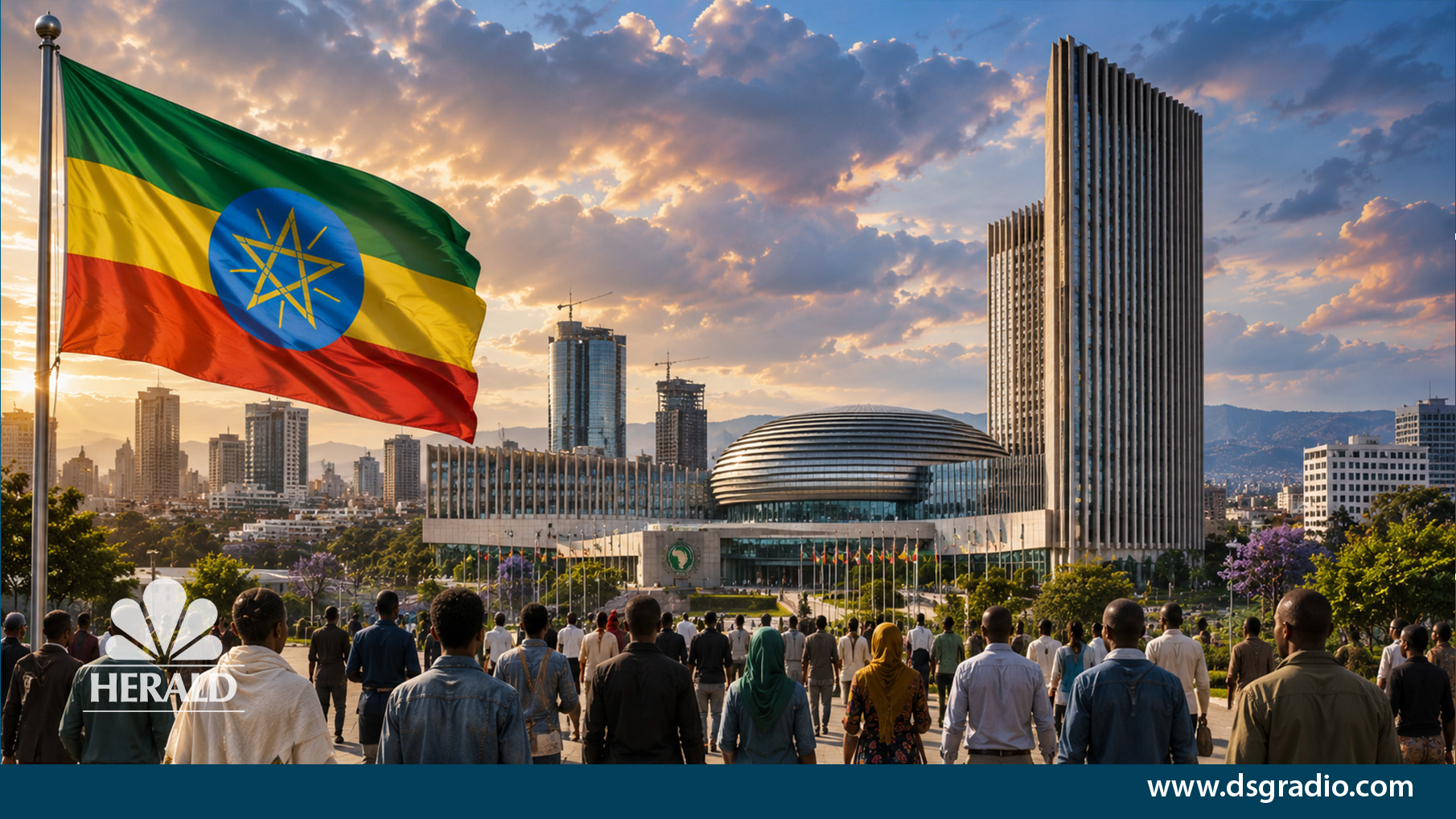
With a population exceeding 120 million people, Ethiopia is one of the most influential countries on the continent. It hosts the headquarters of the African Union and occupies a strategic position in the Horn of Africa, a region that links Africa, the Middle East, and major international shipping routes.
Any significant instability in Ethiopia can have consequences for neighboring countries and the wider continent.
These consequences may include:
- Increased migration pressures.
- Disruptions to regional trade.
- Greater security risks along borders.
- Humanitarian challenges.
- Diplomatic tensions among neighboring states.
- Increased international involvement in regional affairs.
The Horn of Africa has long been regarded as one of the world’s most strategically important regions.
The area sits near maritime routes that connect Europe, Asia, and Africa through the Red Sea and the Suez Canal. Political instability in any major regional power therefore attracts attention from governments, international organizations, and global economic stakeholders.
For Africa, Ethiopia’s stability matters not only because of its population size but also because of its symbolic role.
The country has historically been viewed as an influential African state with strong diplomatic credentials. Developments within Ethiopia often shape wider conversations about governance, federalism, democracy, security, and conflict resolution across the continent.
This broader significance explains why observers throughout Africa continue to monitor political developments there closely.
The Horn of Africa and the Security Equation
The Ethiopia Election Crisis cannot be examined in isolation from broader security concerns affecting the Horn of Africa.
The region faces a complex mixture of challenges including armed conflicts, political transitions, climate-related pressures, food insecurity, migration, and geopolitical competition among international powers.
In such an environment, domestic instability in one major country can create ripple effects elsewhere.
Regional security experts frequently note that political uncertainty can weaken state institutions, complicate cross-border cooperation, and divert resources away from economic development.
For Ethiopia, maintaining internal cohesion is therefore closely connected to broader regional stability.
The country’s future direction could influence everything from trade corridors to peace initiatives across East Africa.
The African Union, headquartered in Addis Ababa, has consistently emphasized the importance of African-led solutions to African challenges. Ethiopia’s ability to manage internal tensions through political mechanisms rather than prolonged confrontation could strengthen confidence in those principles.
Conversely, persistent instability could place additional pressure on regional institutions tasked with conflict prevention and mediation.
For African policymakers, these realities reinforce the importance of investing in inclusive governance long before crises emerge.
What Nigeria Should Learn
The Nigeria comparison is perhaps the most relevant aspect of the Ethiopia Election Crisis for West African audiences.
Although Nigeria and Ethiopia possess distinct histories, political systems, and demographic characteristics, both countries share several important features.
Both are continental heavyweights.
Both have large populations.
Both contain diverse ethnic and cultural identities.
Both occupy strategic positions within their respective regions.
Most importantly, both countries must continually manage the complex task of governing highly diverse societies.
Nigeria’s experience demonstrates that diversity can be a tremendous national strength. It can also become a source of tension when communities believe their interests are not adequately represented.
Over the years, Nigeria has navigated debates involving resource allocation, federalism, representation, regional development, security, and political inclusion.
These discussions have often reflected broader questions about how large multi-ethnic states maintain cohesion while respecting diversity.
Ethiopia faces similar challenges, although the specific historical and political circumstances differ.
The key lesson is not that Nigeria should imitate Ethiopia or vice versa.
Rather, the lesson is that diversity requires constant political management.
Inclusive institutions matter.
Responsive governance matters.
Economic opportunity matters.
Trust between citizens and government matters.
When these elements weaken, political tensions can intensify regardless of election outcomes.
This reality is particularly relevant at a time when many African countries are experiencing rapid population growth, urbanization, digital transformation, and rising public expectations.
Citizens increasingly expect governments to deliver tangible improvements in their lives, not merely electoral victories.
Beyond Elections: The Search for National Cohesion
One of the recurring themes in African political history is the challenge of transforming electoral mandates into national consensus.
Elections are competitive by nature. They produce winners and losers.
Nation-building requires something different.
It requires governments to create conditions under which citizens from different backgrounds believe they share a common future.
That process can be difficult even in stable democracies.
In countries with deep historical grievances or regional disparities, it becomes even more challenging.
The Ethiopia Election Crisis highlights this tension between electoral competition and national cohesion.
Political leaders may celebrate victory, but successful governance ultimately depends on the willingness of broader society to accept institutions as legitimate, fair, and responsive.
This principle applies far beyond Ethiopia.
It applies to Nigeria.
It applies to Kenya.
It applies to South Africa.
It applies to virtually every diverse democracy seeking to balance competition with unity.
The challenge facing policymakers is therefore not simply how to win elections, but how to govern effectively after winning them.
That challenge may ultimately determine whether political mandates translate into lasting stability.
Ethiopia Election Crisis and the Economics of Stability
Political stability and economic development are deeply connected.
Investors, businesses, development institutions, and international partners generally prefer predictable environments where policies are consistent, infrastructure remains functional, and security concerns do not disrupt economic activity. When political uncertainty persists, economic growth can become more difficult to sustain.
The Ethiopia Election Crisis therefore has implications that extend beyond politics.
Over the past two decades, Ethiopia emerged as one of Africa’s fastest-growing economies. The country invested heavily in infrastructure, industrial development, transportation networks, energy projects, and manufacturing initiatives designed to transform its economic position on the continent.
These efforts attracted international attention and created expectations that Ethiopia could become a major economic powerhouse in Africa.
However, economic progress and political stability often reinforce each other.
Periods of instability can discourage investment, interrupt commercial activities, strain public finances, and redirect government resources toward security concerns rather than development priorities.
For many African nations, including Nigeria, the lesson is straightforward: economic growth is strongest when citizens, businesses, and investors have confidence in the future.
This is why political inclusion should not be viewed solely as a democratic objective. It is also an economic strategy.
Governments that successfully manage diversity and reduce political tensions are often better positioned to attract investment, expand trade, and create opportunities for citizens.
The relationship between governance and economic development has become increasingly important as African countries compete for global capital, technology partnerships, and industrial investment.
Readers interested in how geopolitical competition and economic partnerships are reshaping Africa’s future can explore [INSERT DSG HERALD INTERNAL LINK].
Political Inclusion as a Security Strategy
One of the most significant lessons emerging from Ethiopia’s experience is that political inclusion can function as a form of preventive security.
Security discussions often focus on military capabilities, intelligence operations, border protection, and law enforcement. These tools remain important.
However, long-term stability frequently depends on political factors.
Communities that feel represented within national institutions are generally more likely to participate constructively in political processes. Communities that perceive exclusion may become vulnerable to polarization, distrust, or confrontation.
This does not mean every political disagreement leads to instability.
Healthy democracies depend on disagreement.
The challenge is ensuring that disagreements are managed through institutions rather than violence.
Across Africa, governments continue to explore ways of strengthening political participation, improving local governance, and expanding opportunities for dialogue among different groups.
The Ethiopia Election Crisis highlights why those efforts matter.
Security is strongest when citizens believe they have a voice.
Security is strongest when institutions are trusted.
Security is strongest when grievances can be addressed through political mechanisms rather than conflict.
For policymakers, this perspective expands the definition of national security beyond traditional military considerations.
Lessons From Other Diverse Democracies
The issues highlighted by Ethiopia’s experience are not unique.
Throughout modern history, diverse nations around the world have faced similar challenges.
India, for example, manages extraordinary linguistic, cultural, and religious diversity through democratic institutions that accommodate multiple identities.
Indonesia, another large and diverse country, has spent decades balancing regional autonomy with national unity.
South Africa continues to navigate complex social and economic divisions while maintaining democratic governance.
Canada and Belgium have also developed political arrangements designed to manage linguistic and regional differences.
Each country’s experience is different.
No single model fits every society.
Yet one common lesson emerges repeatedly: diversity is most effectively managed through institutions that encourage participation, representation, and accountability.
Countries that successfully navigate diversity often invest heavily in consensus-building mechanisms, constitutional safeguards, local governance structures, and inclusive policymaking.
The Ethiopia Election Crisis contributes to this broader global conversation.
It reminds policymakers that elections alone cannot solve every challenge associated with governing complex societies.
The Media’s Role in Shaping Political Narratives
Another important dimension of the Ethiopia Election Crisis involves the role of media.
News coverage often focuses heavily on election results because they provide clear and measurable outcomes. Winners and losers can be identified. Numbers can be analyzed. Political implications can be discussed.
Yet the deeper story frequently begins after the election.
The media plays an essential role in helping citizens understand the broader context surrounding political developments.
Questions that deserve attention include:
- Are institutions functioning effectively?
- Are different communities represented?
- Are security concerns being addressed?
- Is economic growth reaching citizens?
- Are grievances being resolved peacefully?
These issues often determine whether electoral victories lead to lasting stability.
For African media organizations, including DSG Herald News, there is growing value in moving beyond headline politics to examine the structural forces shaping national outcomes.
Readers increasingly seek analysis that explains not only what happened but why it matters.
The Ethiopia Election Crisis provides an opportunity for precisely that type of reporting.
The African Union’s Test
Because Ethiopia hosts the headquarters of the African Union, developments within the country carry symbolic importance for continental diplomacy.
The African Union has consistently promoted principles of peaceful dialogue, constitutional governance, conflict prevention, and regional cooperation.
The organization’s credibility is often linked to its ability to support member states during periods of political tension.
As Ethiopia continues navigating complex internal dynamics, observers will watch closely to see how African institutions contribute to peacebuilding efforts.
The broader question extends beyond Ethiopia itself.
Can African organizations effectively help prevent conflicts before they escalate?
Can diplomacy reduce tensions more effectively than military responses alone?
Can regional institutions encourage inclusive governance across member states?
These questions are relevant not only in East Africa but across the continent.
The answers could shape future approaches to conflict prevention and political stability.
What Happens Next?
Predicting political developments is always difficult.
The future of the Ethiopia Election Crisis will depend on numerous factors, including government policies, economic conditions, regional dynamics, security developments, and the willingness of political actors to engage in constructive dialogue.
Several key issues are likely to remain important:
Security Conditions
Developments in Oromia, Amhara, and Tigray will continue to influence perceptions of national stability.
Political Inclusion
Efforts to strengthen participation and address grievances may affect long-term cohesion.
Economic Performance
Economic growth and job creation could help reduce tensions by improving living conditions and expanding opportunities.
Regional Diplomacy
The role of neighboring countries, the African Union, and international partners may influence future outcomes.
Public Trust
Confidence in institutions remains one of the most important foundations of sustainable governance.
The extent to which these factors evolve positively or negatively will shape Ethiopia’s future trajectory.
Details regarding future political developments remain unclear.
Why This Matters for Nigeria
For Nigerian readers, the Ethiopia Election Crisis should not be viewed simply as a foreign political story.
It is a case study in one of the most important governance questions facing modern Africa.
How do large, diverse countries maintain unity while preserving democratic competition?
How do governments balance regional interests with national priorities?
How do leaders transform electoral mandates into broad-based legitimacy?
Nigeria continues to confront these questions in its own way.
The country’s democratic journey has demonstrated both the strengths and challenges of governing a highly diverse population.
As Africa’s most populous nation, Nigeria’s success in managing diversity will influence perceptions of democratic governance across the continent.
Ethiopia’s experience reinforces an important lesson: unity cannot be assumed.
It must be cultivated.
Political inclusion, economic opportunity, responsive institutions, and effective leadership all contribute to that process.
The countries that succeed will likely be those that recognize diversity not as a problem to be controlled but as a reality to be managed constructively.
Conclusion: Winning Elections, Building Nations
The Ethiopia Election Crisis reveals a truth that extends far beyond Ethiopia’s borders.
Winning an election is a political achievement.
Building national unity is a governance challenge.
The two are connected, but they are not identical.
Prime Minister Abiy Ahmed’s political position may reflect electoral success, yet Ethiopia’s broader experience demonstrates that lasting stability depends on much more than the outcome of a vote.
It depends on whether institutions can build trust.
It depends on whether governments can address grievances.
It depends on whether diverse communities believe they share a stake in the nation’s future.
For Nigeria and many other African countries, that lesson may prove just as important as the election itself.
As Africa continues to evolve politically, economically, and demographically, the ability to transform electoral mandates into national cohesion will remain one of the defining challenges of governance.
The Ethiopia Election Crisis is therefore not merely an Ethiopian story.
It is an African story.
And its lessons may resonate across the continent for years to come.
Recommended Coverage
China’s New AI Strategy Signals Africa’s Technology Future
China’s latest technology push highlights how artificial intelligence and innovation policies could influence developing economies, including African nations seeking digital transformation.
China’s Tariff-Free Access Expands Opportunities for African Trade
China’s decision to extend tariff-free access to 53 African countries illustrates the growing economic relationship between Beijing and the continent.
China-Djibouti Ties Reflect Strategic Competition in the Horn of Africa
This analysis examines how Djibouti’s strategic location has become central to global geopolitical competition, a key issue linked to stability in the Horn of Africa.
About the Author