Ebola Outbreak in DRC Passes 1,000 Cases as Child Deaths Rise
Ebola Outbreak in DRC has crossed a significant and troubling milestone, with global confirmed infections surpassing 1,023 and the death toll rising to 256 as of June 23, 2026. The latest figures have prompted urgent warnings from the United Nations (UN), UNICEF, the World Health Organization (WHO), and other international health agencies. Global confirmed infections have surpassed 1,023, and the death toll has risen to 256 as of June 23, 2026. The latest figures have prompted urgent warnings from the United Nations (UN), UNICEF, the World Health Organization (WHO), and other international health agencies, which say children are increasingly bearing the heaviest burden of the crisis while response efforts remain dangerously underfunded.
The outbreak, now officially the second-largest Ebola outbreak in the DRC’s history, Health experts say the Ebola Outbreak in DRC is being closely monitored because of its rapid spread, its impact on vulnerable communities, and concerns over limited response funding. It is spreading across multiple provinces and has already crossed international borders into neighbouring Uganda. While health authorities continue to assess the risk of broader international transmission as low, concerns are growing across Africa that inadequate resources, conflict-related challenges, population displacement, and weak healthcare infrastructure could allow the situation to worsen significantly.
For African nations, including Nigeria, the outbreak serves as a reminder of the continent’s continuing vulnerability to infectious disease emergencies and the importance of maintaining robust surveillance systems, emergency preparedness plans, and regional cooperation.
Ebola Cases Pass 1,000 Mark
According to health authorities, the DRC has now recorded 1,003 confirmed Ebola cases and 254 deaths, making this the country’s second-largest recorded outbreak. Ituri Province remains the epicenter, but infections have also been reported in North Kivu and South Kivu, indicating continued geographic expansion of the virus.
Uganda has confirmed 20 cases and two deaths linked to the outbreak, with the latest infection reported in Kampala. Health officials say local transmission remains under control, but surveillance efforts continue due to the risk of cross-border spread.
More than 100 patients have recovered, but hundreds remain hospitalized or under isolation as health workers attempt to break transmission chains. International health agencies continue to emphasize the need for rapid detection, contact tracing, and community engagement to prevent further escalation.
Why the Ebola Outbreak in DRC Is Different
Health experts say the current outbreak is being driven by the Bundibugyo strain of Ebola, a rare variant for which no approved vaccine currently exists. This has complicated response efforts and reduced the range of available medical interventions compared with previous outbreaks.
The outbreak has also emerged in a region already struggling with insecurity, displacement, and fragile health systems. Armed conflict in parts of eastern Congo continues to limit access to affected communities, making it more difficult for medical teams to identify cases and monitor contacts.
WHO officials have reportedly rated current containment efforts far below what would be required to fully control the outbreak, highlighting significant shortages in funding, personnel, treatment capacity, and laboratory resources.
The combination of these factors has created a complex public health emergency that extends beyond healthcare alone and affects education, food security, livelihoods, and social stability.
Children Face the Greatest Risk
One of the most alarming aspects of the outbreak is its disproportionate impact on children.
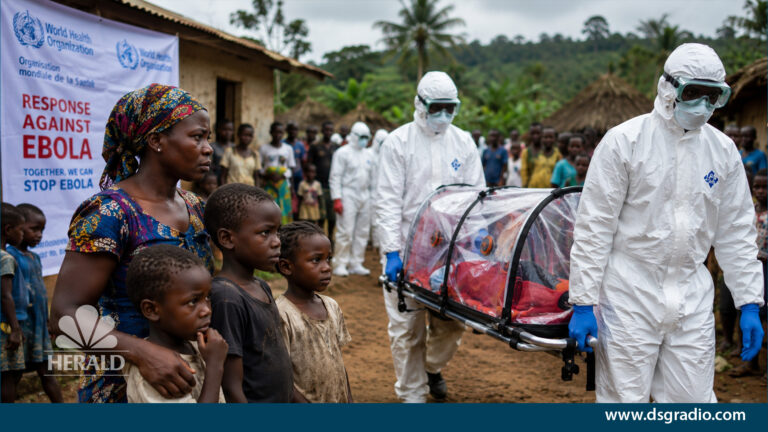
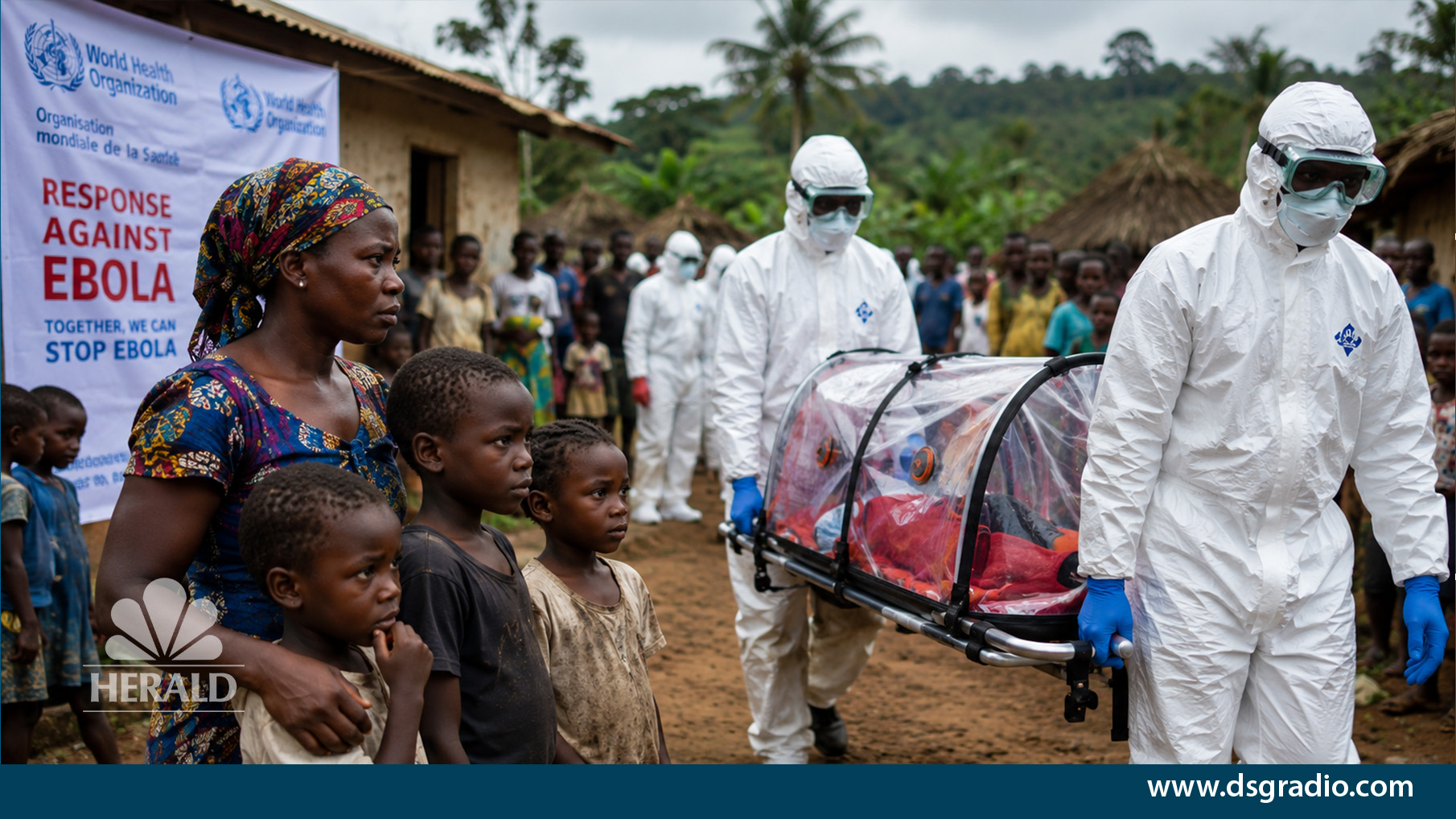
The Ebola Outbreak in DRC has become a growing humanitarian concern as children account for an increasing share of fatalities reported during the current health emergency.
UNICEF reports that children and adolescents account for approximately 15 percent of confirmed infections but more than one-quarter of all deaths. The agency warns that children are often unable to isolate from infected parents or caregivers, increasing their exposure to the virus.
More than 130 children have reportedly been orphaned during the outbreak, creating additional humanitarian challenges for already vulnerable communities.
UNICEF has warned that nearly three million children and adolescents across eastern DRC face increased risks not only from Ebola itself but also from the disruption of essential services such as healthcare, education, nutrition, and child protection programs.
The agency has expanded emergency operations across affected areas and is working alongside international agencies warn that the Ebola Outbreak in DRC could become more difficult to contain if funding shortages continue to affect treatment, surveillance, and emergency response operations. Africa CDC, and local authorities to support treatment centres, community outreach programs, and child protection services.
Funding Gap Threatens Response Efforts
International agencies warn that the Ebola Outbreak in DRC could become more difficult to contain if funding shortages continue to affect treatment, surveillance, and emergency response operations.
Despite the growing scale of the outbreak, international agencies say funding remains critically insufficient.
WHO and partner organizations have expanded treatment facilities and testing capacity, including the deployment of hundreds of treatment beds and additional laboratories. However, health officials warn that current resources remain far below what is required to stop transmission effectively.
Previous assessments by Africa CDC and international partners estimated that hundreds of millions of dollars would be required to fully contain the outbreak and strengthen surveillance systems across affected regions.
Humanitarian agencies argue that delays in funding can have severe consequences because Ebola outbreaks typically become more expensive and difficult to control the longer they remain active.
The current funding shortfall has also raised concerns that healthcare workers may face shortages of protective equipment, transportation, diagnostic tools, and medical supplies needed to manage rising case numbers.
Prison Clusters Raise New Concerns
Another recent development involves the discovery of Ebola clusters inside prisons near the outbreak’s epicenter.
Health officials say detention facilities present unique challenges because infected individuals cannot easily be isolated, and overcrowding can accelerate transmission.
Emergency medical teams have reportedly been deployed to affected facilities to contain the virus and prevent wider spread among prison populations and surrounding communities.
While details remain limited, the emergence of infections in correctional facilities highlights the difficulty of controlling Ebola in environments where social distancing and isolation measures are difficult to implement.
What the Travel Restrictions Mean
As concerns grow over the outbreak, several international health authorities have strengthened screening measures.
The United States Centers for Disease Control and Prevention (CDC) has introduced enhanced entry procedures for travelers arriving from the DRC, Uganda, and South Sudan. Travelers are being routed through designated airports where additional health screening measures can be conducted.
Meanwhile, the European Centre for Disease Prevention and Control (ECDC) has deployed specialized health teams to support screening operations and strengthen border preparedness in affected regions.
Despite these measures, health authorities continue to assess the overall risk of international spread as low, emphasizing that Ebola is not transmitted through casual airborne exposure like influenza or COVID-19.
Why Nigeria Is Monitoring the Ebola Outbreak in DRC
Although Nigeria has not reported any confirmed cases linked to the current outbreak, public health experts across West Africa are monitoring developments closely.
Nigeria’s experience during the 2014 Ebola outbreak remains one of the most cited examples of successful containment. Through rapid contact tracing, aggressive surveillance, and coordinated emergency response measures, the country prevented a major epidemic despite the virus arriving in Lagos, one of Africa’s largest cities.
That experience demonstrated how early detection and decisive intervention can dramatically reduce transmission.
Today, Nigerian health authorities continue to maintain surveillance systems designed to detect imported cases and coordinate with regional and international health agencies.
The current outbreak highlights several issues relevant to Nigeria:
- Cross-border disease surveillance
- Airport and port health screening
- Emergency laboratory preparedness
- Public health communication
- Healthcare worker protection
- Regional disease intelligence sharing
For Nigeria and other African countries, the lesson is clear: infectious diseases do not respect borders, and regional cooperation remains essential.
The Wider African Health Security Challenge
The outbreak has reignited debate about Africa’s long-term health security capacity.
While significant progress has been made since the devastating West African Ebola epidemic of 2014–2016, experts argue that many health systems remain underfunded and vulnerable to sudden shocks.
Recurring outbreaks of Ebola, cholera, mpox, measles, and other infectious diseases continue to place pressure on already stretched healthcare systems across several countries.
Many analysts believe the current outbreak demonstrates the need for:
- Greater investment in disease surveillance
- Expanded laboratory networks
- Stronger emergency response systems
- Improved healthcare infrastructure
- Better vaccine research and development
- Sustainable funding mechanisms for outbreak response
The outbreak has also highlighted the challenges of responding to public health emergencies in conflict-affected regions where insecurity can limit access to vulnerable populations.
Historical Context
Ebola was first identified in 1976 in what is now the Democratic Republic of the Congo.
Since then, several outbreaks have occurred across Central and West Africa, with varying levels of severity.
The most devastating epidemic occurred between 2014 and 2016 in Guinea, Liberia, and Sierra Leone, resulting in more than 11,000 deaths and triggering a major global health response.
The current outbreak has not reached that scale, but its rapid growth, the involvement of a rare Ebola strain, and persistent operational challenges have raised concerns among public health experts.
Outlook: Can the Outbreak Be Contained?
Health authorities remain cautiously optimistic that the outbreak can still be controlled if international support increases rapidly.
Key priorities include:
- Expanding treatment capacity
- Strengthening contact tracing
- Improving community engagement
- Protecting healthcare workers
- Supporting children and vulnerable families
- Increasing international funding
UNICEF and WHO have both emphasized that immediate action will be critical in the coming weeks.
While the risk of widespread global transmission remains low, the situation in eastern DRC continues to evolve rapidly. The success or failure of containment efforts may depend largely on whether governments, donors, and international organizations can mobilize the resources needed before transmission accelerates further.
For Africa, the outbreak represents more than a public health emergency. The Ebola outbreak in DRC remains one of the most significant public health challenges facing Africa in 2026 and will continue to test regional preparedness, international cooperation, and health security systems. It is also a test of regional preparedness, international solidarity, and the continent’s ability to respond collectively to emerging health threats in an increasingly interconnected world.
Recommended Coverage
Ebola Outbreak Highlights Africa’s Health System Challenges
Explores how recurring disease outbreaks continue to expose weaknesses in healthcare infrastructure across several African countries.
Examines the spread of the rare Bundibugyo strain and the growing international response.
Provides context on other public health emergencies affecting the Democratic Republic of the Congo.
Africa’s Medical Systems Face Mounting Pressure
Analyzes broader healthcare challenges confronting African nations amid multiple health crises.
About the Author