Kwara Monarch Death Sparks Security Concerns After Ransom Efforts Fail
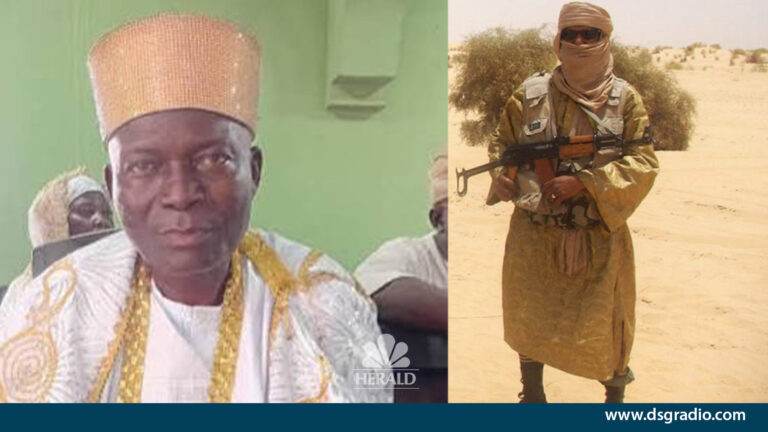
The Kwara monarch death has sent shockwaves across Kwara State after Oba Salman Olatunji Aweda, the traditional ruler of Olayinka Community in Ifelodun Local Government Area, was confirmed dead following weeks of captivity. The monarch was abducted in April, and community leaders reportedly paid millions of naira in ransom and met additional demands in a desperate bid to secure his freedom. His reported death has renewed concerns about kidnapping, rural insecurity, and the growing risks facing traditional institutions in Nigeria.
Community Confirms Monarch’s Death
Residents of Olayinka Community awoke to devastating news after a voice message circulated among community members announcing the death of their traditional ruler.
According to information contained in the source reports, Oba Salman Aweda’s death was communicated by a member of a committee established to coordinate efforts aimed at securing his release.
The announcement described the monarch’s death as a painful outcome despite extensive interventions by family members, community leaders, religious figures, and residents who had worked for weeks to bring him home safely.
The message urged residents to accept the development while emphasising faith and unity during the period of mourning.
The traditional ruler’s death marks a tragic end to a kidnapping case that had attracted widespread attention across Kwara State.
Kwara Monarch Death After Lengthy Negotiations
The circumstances surrounding the Kwara monarch death have raised serious questions about the effectiveness of ransom negotiations in kidnapping cases.
According to accounts contained in the source material, kidnappers initially demanded ₦21 million, two new motorcycles, and fuel before releasing the monarch. Community members reportedly mobilised resources to meet the demands in hopes of securing his freedom.
Another report cited in the source indicated that approximately ₦18 million had been paid, while the motorcycles and fuel were also provided. Despite these efforts, the monarch was never released.
Sources familiar with the negotiations reportedly became suspicious when the kidnappers continued demanding additional money and allegedly prevented direct communication with the monarch.
The exact circumstances and timing of his death remain unclear.
Authorities have yet to publicly provide a comprehensive account of what transpired during the final stages of the negotiations.
A Community Left in Mourning
For residents of Olayinka, the tragedy extends beyond the loss of a traditional ruler.
Community leaders had reportedly maintained hope that ransom payments and ongoing negotiations would lead to the monarch’s safe return. Instead, confirmation of his death has left many residents grieving and searching for answers.
Traditional rulers often serve as custodians of culture, mediators in disputes, and key representatives of local communities. Their influence frequently extends beyond ceremonial duties into development, security coordination, and community mobilisation.
The loss of a monarch under such circumstances creates both emotional and administrative challenges for affected communities.
Many residents had reportedly participated in fundraising efforts and prayers during the period of captivity, reflecting the importance of the monarch within the community.
Growing Security Concerns in Rural Nigeria
The Kwara monarch death comes amid persistent concerns over insecurity affecting many parts of Nigeria.
Over the past several years, kidnappings for ransom have become a significant security challenge across multiple states. Criminal groups increasingly target travellers, farmers, students, community leaders, and traditional rulers.
Security analysts have repeatedly warned that rural communities often face unique vulnerabilities due to limited security presence, difficult terrain, and economic pressures that criminal groups exploit.
The incident has once again highlighted the dangers facing traditional institutions, particularly in remote communities where monarchs often serve as visible symbols of authority.
The tragedy is also likely to fuel fresh debate about community policing, intelligence gathering, and strategies for protecting vulnerable populations.
For additional context on Nigeria’s broader security debate, see Nigeria Security Crisis: Reps Push State Police, Forest Guards
Traditional Rulers Increasingly Under Threat
Across Nigeria, traditional rulers continue to play important roles in governance support, conflict resolution, and grassroots mobilisation.
However, incidents involving attacks, abductions, and killings of traditional leaders have become a worrying trend in some regions.
Security experts argue that attacks on monarchs carry broader consequences because they affect public confidence and community stability.
When traditional rulers become targets, entire communities can experience disruption, fear, and economic uncertainty.
The death of Oba Salman Aweda, therefore, represents not only a personal tragedy but also a challenge to the wider traditional institution that remains influential in many Nigerian communities.
Questions Surrounding Ransom Payments
One of the most troubling aspects of the case is the reported ransom payment.
Security experts have long debated the effectiveness of paying ransom in kidnapping situations. While families and communities often view payment as the quickest route to securing freedom for victims, there is no guarantee that kidnappers will honour agreements.
Cases in which victims are harmed despite negotiations frequently reignite discussions about national policy responses and law enforcement strategies.
In the case of Oba Salman Aweda, reports indicate that the community mobilised substantial resources in an attempt to secure his release. Yet the outcome has reinforced concerns that ransom payments alone cannot guarantee safety.
Details surrounding the negotiations could not be independently verified beyond the information contained in the source reports.
Calls for Stronger Community Security Measures
The incident is expected to intensify calls for stronger security measures in rural communities across Nigeria.
Stakeholders have increasingly advocated improved intelligence sharing, enhanced surveillance, better road security, and greater collaboration between local communities and security agencies.
Some policy advocates have also renewed support for state policing and forest security initiatives aimed at addressing criminal activity in remote areas.
The discussion comes as Nigeria continues to explore various strategies for tackling kidnapping and organised criminal networks.
Related security discussions can also be found in Oyo Forest Guards: Tinubu Unveils New Security Push
Funeral Arrangements Begin Despite Missing Remains
According to the source reports, Islamic funeral prayers were being planned despite the monarch’s remains not yet being recovered.
Community representatives reportedly informed residents that Islamic traditions permit funeral prayers in circumstances where a deceased person’s body is unavailable.
The announcement reflects the community’s effort to provide spiritual closure while continuing to seek answers regarding the monarch’s final moments.
The inability to recover the remains has added another layer of pain to an already tragic situation.
Wider Implications for Nigeria
The Kwara monarch death underscores broader concerns about insecurity, governance, and public safety in Nigeria.
Beyond the immediate tragedy, the case highlights the difficult choices communities face when negotiating with kidnappers. It also raises questions about how best to protect traditional institutions that continue to play important roles in local governance and community cohesion.
As investigations and official responses continue, many residents will be looking for accountability, improved security measures, and assurances that similar incidents can be prevented in the future.
For communities across Nigeria, the death of Oba Salman Aweda serves as another reminder of the devastating human cost of kidnapping and violent crime.
Recommended Coverage
Nigeria’s Economy Under Tinubu: Progress or Crisis?
Examines economic pressures affecting households and communities across Nigeria amid ongoing national challenges.
Owerri West Growth Fuels Calls for Better Leadership
Explores governance, development priorities, and leadership expectations in rapidly expanding communities.
Dr. Eberechukwu Uneze: Influence, Leadership and Impact
A profile examining leadership, public service, and community influence within Nigeria’s development landscape.
About the Author