G7 Summit 2026 Dominated by Iran Deal and Ukraine War Talks
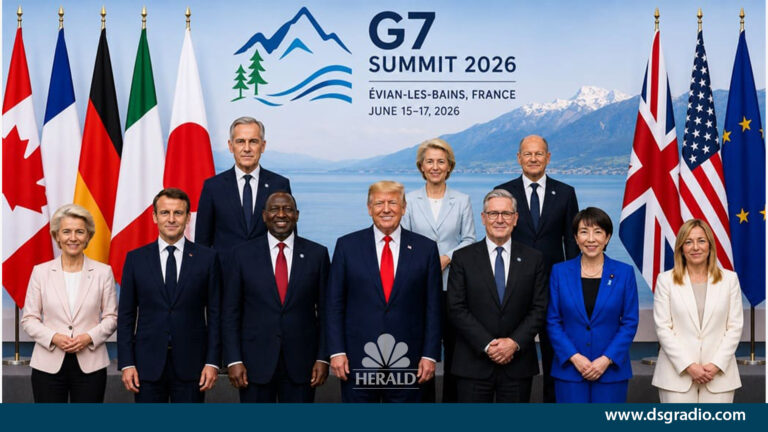
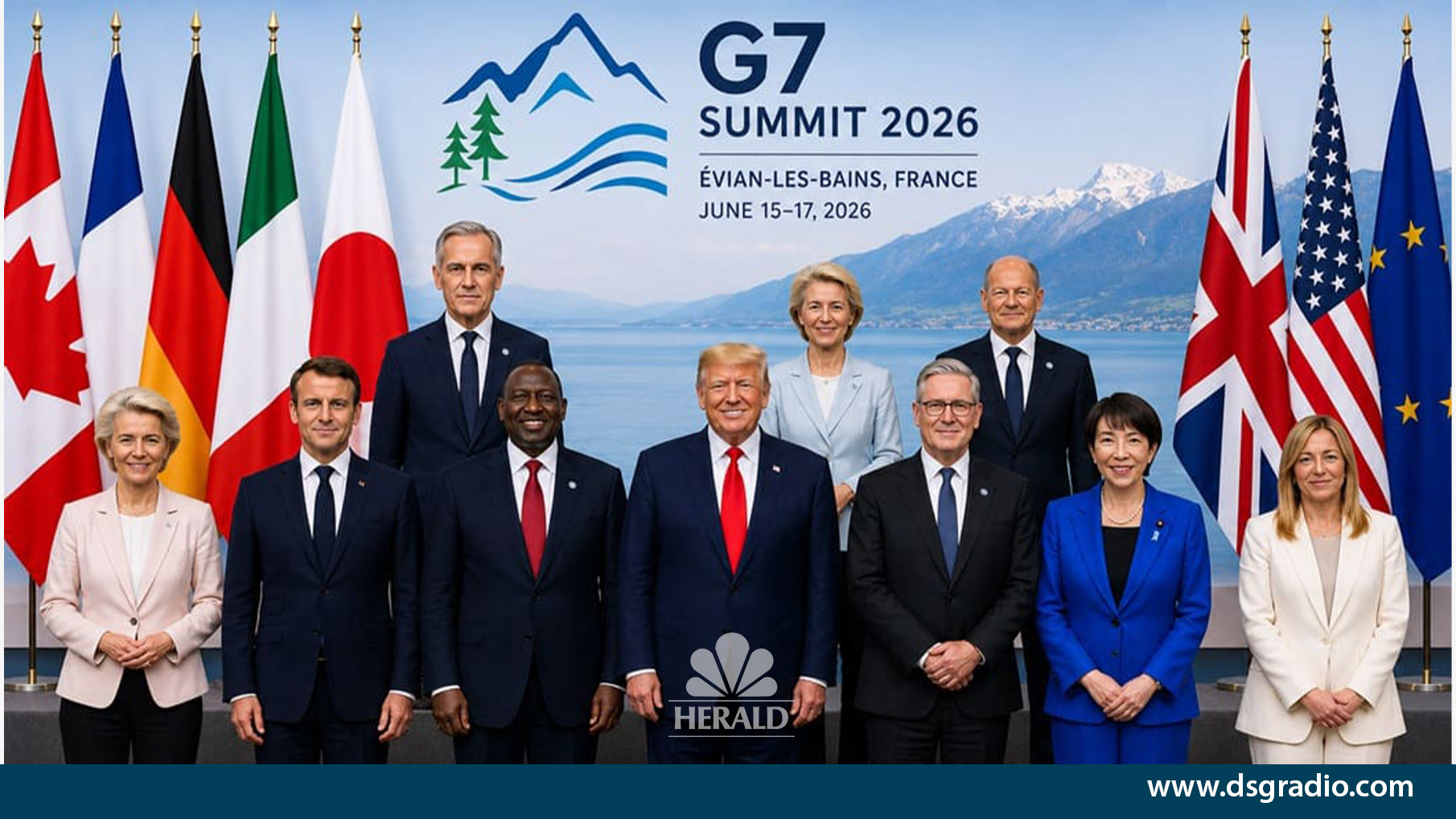
The G7 Summit 2026 is underway in Évian-les-Bains, France, with leaders of the world’s leading industrialised democracies confronting two of the most consequential geopolitical crises of the year: the emerging U.S.-Iran peace framework and the ongoing Russia-Ukraine war. The three-day summit, running from June 15 to June 17, has brought together heads of government, international partners, and regional leaders as they seek to navigate mounting security, economic, and diplomatic challenges that extend far beyond Europe and the Middle East.
The summit has quickly evolved into a critical test of international cooperation, with U.S. President Donald Trump defending a newly announced framework agreement with Iran while facing questions from European allies over both the deal’s details and Washington’s broader foreign policy approach.

G7 Summit 2026 Opens Amid Major Diplomatic Breakthrough Claims
One of the most significant developments at the summit has been President Trump’s announcement of a preliminary framework agreement with Iran aimed at ending hostilities and restoring normal maritime traffic through the strategically vital Strait of Hormuz.
The agreement, electronically signed before the summit, has been presented by the White House as a pathway toward de-escalation after months of tensions.
However, important questions remain unanswered.
U.S. Vice President JD Vance clarified that the memorandum currently serves as a broad framework rather than a finalised peace agreement. Critical issues surrounding Iran’s nuclear program, verification mechanisms, and long-term security guarantees have been deferred to future negotiations.
The lack of detailed provisions has prompted extensive discussions among G7 leaders.
During summit meetings, several allied governments reportedly sought clarification regarding the framework’s scope, implementation timeline, and implications for regional stability.
The Strait of Hormuz remains one of the world’s most important energy corridors. Any disruption in the waterway has direct consequences for global oil markets, shipping costs, and international trade flows.
For energy-importing nations across Africa, Europe, and Asia, the reopening of the shipping route could help ease concerns over supply disruptions and price volatility.
G7 Summit 2026 Reveals Divisions Over Middle East Strategy
While leaders broadly welcomed efforts to reduce tensions, differences emerged regarding the path taken to reach the agreement.
European governments have previously expressed concerns about unilateral military actions and the lack of extensive consultations before major strategic decisions.
French President Emmanuel Macron has previously questioned the legal basis of military operations against Iran, reflecting wider debates within Europe regarding the handling of the crisis.
At the summit, leaders reportedly engaged in frank discussions over the secrecy surrounding negotiations between Washington and Tehran.
The concerns highlight a broader challenge facing Western alliances: balancing national strategic priorities with collective decision-making.
Adding to the diplomatic complexity, President Trump publicly criticised Israeli Prime Minister Benjamin Netanyahu, urging greater responsibility regarding military operations affecting Lebanon amid rising civilian casualties.
The comments represented a notable public intervention by Washington at a time when regional tensions remain highly sensitive.
Zelenskyy Pushes for Stronger Action at G7 Summit 2026
The second major focus of the summit has been the war in Ukraine.
Ukrainian President Volodymyr Zelenskyy joined G7 leaders for high-level working sessions aimed at strengthening support for Kyiv and increasing pressure on Moscow.
According to officials participating in the discussions, sanctions enforcement remains a key priority.
Particular attention has focused on Russia’s so-called shadow oil fleet, a network of vessels that Western governments accuse of helping Moscow circumvent existing restrictions on energy exports.
Following meetings with allied leaders, Trump stated that Russia should move toward a negotiated settlement.
Zelenskyy, meanwhile, emphasised the importance of maintaining international pressure while strengthening Ukraine’s defence and economic resilience.
The Ukrainian leader’s presence at the summit underscores Kyiv’s continued effort to secure long-term political, military, and financial backing from Western partners.
Britain Announces New Ukraine Energy Support Package
British Prime Minister Keir Starmer used the summit to unveil additional support measures for Ukraine.
Among the most significant announcements was a two-year nuclear fuel agreement aimed at helping maintain Ukraine’s energy infrastructure amid ongoing attacks on critical facilities.
The package was accompanied by a fresh round of British sanctions targeting Russian interests.
The announcement reflects a broader trend among European governments seeking to combine military assistance with long-term economic and energy support.
Energy security has become one of the defining challenges of the conflict, with attacks on infrastructure affecting electricity generation, industrial production, and civilian services.
For Ukraine, securing reliable energy supplies remains essential for economic recovery and national resilience.
Trump and European Allies Seek Common Ground
The summit is also serving as a platform to repair and strengthen relations between Washington and several European capitals.
Although allied governments share concerns about global security threats, differences remain over priorities, tactics, and strategic objectives.
Some European leaders continue to advocate stronger measures against Russia and sustained military assistance for Ukraine.
The Trump administration has repeatedly emphasised the need for rapid conflict resolution while questioning whether current approaches are delivering desired outcomes.
According to NBC News, the summit reflects growing efforts on both sides of the Atlantic to bridge these differences while preserving broader alliance unity.
Despite disagreements, leaders appear committed to maintaining cooperation on issues ranging from security and trade to energy and technology.
Regional Leaders Join Key Security Discussions
The summit’s significance extends beyond G7 member states.
Leaders and representatives from Qatar, Egypt, and the United Arab Emirates have joined selected sessions focused on maritime security, ceasefire frameworks, and regional stability.
Their participation reflects recognition that sustainable solutions to Middle Eastern conflicts require engagement from regional stakeholders.
Indian Prime Minister Narendra Modi has also arrived as a guest leader and is expected to hold important discussions with President Trump regarding trade and economic cooperation.
The meeting is being closely watched by international markets, given the growing importance of U.S.-India economic relations.
Economic Implications for Africa and Nigeria
Although the summit’s primary focus remains geopolitical, the outcomes could have significant implications for Africa.
A reduction in tensions around the Strait of Hormuz could help stabilise global energy markets and reduce inflationary pressures linked to shipping and fuel costs.
For Nigeria, one of Africa’s largest oil producers, developments affecting global energy demand and pricing remain highly relevant.
Changes in oil market conditions can influence government revenues, foreign exchange earnings, and broader economic performance.
The summit’s discussions on sanctions, energy security, and international trade also have implications for African economies that are increasingly integrated into global supply chains.
The evolving geopolitical landscape may create both opportunities and risks for developing nations seeking investment, technology partnerships, and stable export markets.
Security Challenges Extend Beyond the Summit Venue
Even as leaders met behind closed doors, authorities in France and Switzerland faced demonstrations near the summit area.
Reports indicated that approximately 20,000 anti-capitalist protesters gathered near the Geneva border, leading to clashes with security forces.
The demonstrations reflect wider public debates surrounding globalisation, military interventions, economic inequality, and international governance.
Security remains exceptionally tight around summit venues as authorities seek to prevent disruptions and protect visiting delegations.
What Happens Next?
The coming days will determine whether the summit yields lasting diplomatic outcomes or merely establishes a framework for future negotiations.
Several major questions remain unresolved:
- Can the U.S.-Iran framework evolve into a comprehensive peace agreement?
- Will Russia face stronger coordinated sanctions?
- Can Ukraine secure additional long-term commitments?
- Will Western allies narrow their strategic differences?
- Can regional stakeholders help sustain emerging ceasefire efforts?
The answers may shape international politics and economic conditions for months to come.
G7 Summit 2026 Marks a Critical Moment for Global Diplomacy
The G7 Summit 2026 has become far more than a routine gathering of world leaders.
From the surprise U.S.-Iran framework agreement to intensified efforts to pressure Russia over Ukraine, the summit is unfolding amid exceptional geopolitical uncertainty.
While leaders continue negotiations behind closed doors, the decisions made in Évian-les-Bains could influence energy markets, international security, diplomatic alliances, and economic stability across multiple continents.
Whether the summit ultimately delivers durable agreements remains uncertain, but its outcomes are already shaping the global conversation on war, peace, and international cooperation.
Recommended Coverage
China Expands National AI and Technology Strategy
A look at Beijing’s latest push to strengthen artificial intelligence, advanced manufacturing, and technology leadership.
China Grants Tariff-Free Access to 53 African Nations
Analysis of how expanded Chinese market access could affect African exports and trade growth.
China-Djibouti Relations and Global Power Competition
Explores the strategic significance of Djibouti in the evolving contest for geopolitical influence.
About the Author