Mali Security Crisis Deepens After Kidal Takeover
The Mali security crisis has entered a dangerous new phase after coordinated attacks by jihadist fighters and Tuareg separatists led to the capture of the northern town of Kidal, the killing of senior military leadership, and renewed pressure on Mali’s alliance with Russia. The developments, which unfolded over a weekend of intense fighting, highlight a rapidly deteriorating security environment with implications for the entire Sahel region.
What Happened: Kidal Rebel Takeover and Intensified Attacks
The latest escalation in the Mali security crisis began with large-scale attacks described as the most significant in nearly 15 years.
According to the primary report, the violence involved:
- Tuareg separatists, including fighters linked to the Azawad Liberation Front (FLA)
- Jihadist groups, notably the al-Qaeda-linked Group for the Support of Islam and Muslims (JNIM)
Key developments include:
- Kidal rebel takeover: Armed groups seized control of Kidal, a key northern stronghold
- Military losses: Defence Minister Sadio Camara was killed during two days of intense fighting
- Security breaches: Attempts were made to seize critical infrastructure in Bamako, including the presidential palace
- Foreign troop movement: Russian-linked Africa Corps forces withdrew from Kidal
Russia’s defence ministry confirmed that rebel groups are “regrouping” and warned that the situation “remains difficult.”
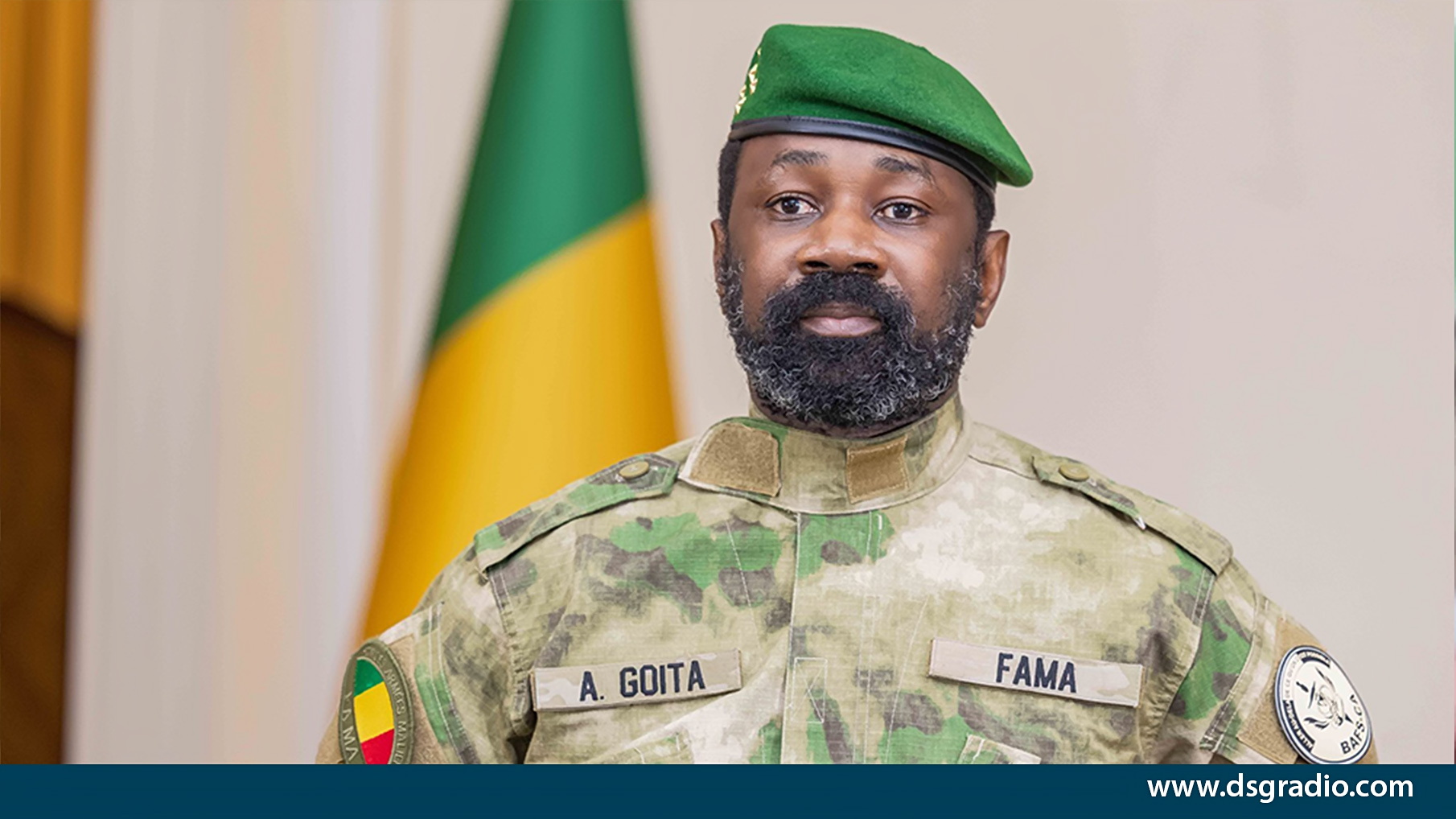
Meanwhile, Mali’s military leader Assimi Goïta, who had not appeared publicly since the attacks, re-emerged in Bamako and held talks with the Russian ambassador. As reported, the meeting underscored the urgency of the crisis.
Mali Russia Alliance Under Pressure
The Mali Russia alliance, which has been central to Bamako’s security strategy, now faces heightened scrutiny.
Russia has supported Mali’s military government through state-controlled paramilitary deployments, including the Africa Corps. However, recent events suggest significant operational challenges:
- Russian-backed forces were unable to maintain control of Kidal
- Moscow acknowledged the severity of the situation
- Rebel regrouping indicates a continued threat
The loss of Kidal represents both a symbolic and strategic setback, raising concerns about the effectiveness of external military partnerships in stabilising northern Mali.
Unlikely Alliance Drives Sahel Insurgency Escalation
A defining feature of the current escalation of the Sahel insurgency is the apparent cooperation between historically opposing groups.
The report indicates that:
- Tuareg separatists and jihadist fighters coordinated attacks
- Joint operations enabled large-scale territorial gains
This development marks a significant shift in the conflict landscape.
Details about the nature and duration of this alliance were not specified in the original report.
Why the Mali Security Crisis Matters Now
The Mali security crisis carries significant implications for governance, regional stability, and military credibility.
Key impacts:
- Territorial control weakened: The loss of Kidal reduces government influence in northern Mali
- Leadership vacuum risk: The death of Defence Minister Sadio Camara creates uncertainty within military command structures
- Capital under threat: Attempts to target Bamako suggest expanding operational reach
The situation reflects broader instability trends across the Sahel, where insurgent groups continue to exploit governance gaps.
For deeper context, DSG Herald previously examined how a militant alliance attack is reshaping Sahel security dynamics, highlighting similar patterns across the region.
Regional Implications: Sahel Security at Risk
The escalation of the Mali security crisis is likely to have ripple effects across neighbouring countries.
Countries such as:
- Burkina Faso
- Niger
have experienced parallel insurgencies and shifting military alliances.
The current situation could:
- Intensify cross-border militant movements
- Challenge regional security coordination
- Increase pressure on ECOWAS response mechanisms
Details regarding coordinated regional responses were not specified in the original report.
Timeline of Events
Weekend:
- Coordinated attacks launched by separatist and jihadist groups
Day 1–2:
- Intense fighting results in the death of Defence Minister Sadio Camara
Day 2:
- Kidal falls under rebel control
Day 3:
- Russia confirms deteriorating conditions and warns of regrouping insurgents
- Assimi Goïta reappears and meets Russian ambassador
What Happens Next: Uncertain Trajectory
The direction of the Mali security crisis remains unclear, but current indicators suggest continued instability.
Possible developments include:
- Further offensives by regrouping rebel forces
- Expanded foreign military involvement
- Increased regional security risks
Details remain unclear regarding the scale of future operations or the extent of international response.
A Critical Turning Point
The Mali security crisis has reached a critical juncture defined by territorial losses, evolving alliances, and growing geopolitical pressure. The fall of Kidal and the coordinated insurgent attacks represent a significant escalation that could reshape conflict dynamics in Mali and across the Sahel.
As the situation unfolds, the effectiveness of Mali’s military strategy and its reliance on external partnerships will be central to determining whether stability can be restored.
🔗 Recommended Coverage:
You may also want to read:
- Burkina Faso’s Shift Away From Western Democracy
Explores how governance changes in Burkina Faso reflect broader instability trends affecting Sahel security. - African Unity and Youth Expectations Gap
Analyzes political pressures shaping Africa’s future amid rising insecurity and governance challenges. - Ivory Coast Signals Security Shift With French Exit
Examines changing military alliances in West Africa, relevant to Mali’s evolving Russia partnership.
About the Author