ADC Leadership Crisis: Supreme Court Ruling Resets Battle, Raises Stakes for INEC and 2027 Elections
Nigeria’s ADC leadership crisis has entered a decisive new phase after the Supreme Court overturned a key appellate court order, effectively resetting the legal battle over the party’s leadership and introducing fresh uncertainty into opposition politics ahead of the 2027 general elections.
The ruling affects the legitimacy of the David Mark-led structure of the African Democratic Congress (ADC), raises questions about the role of the Independent National Electoral Commission (INEC), and returns the dispute to the Federal High Court for full hearing.
What the Supreme Court Decided
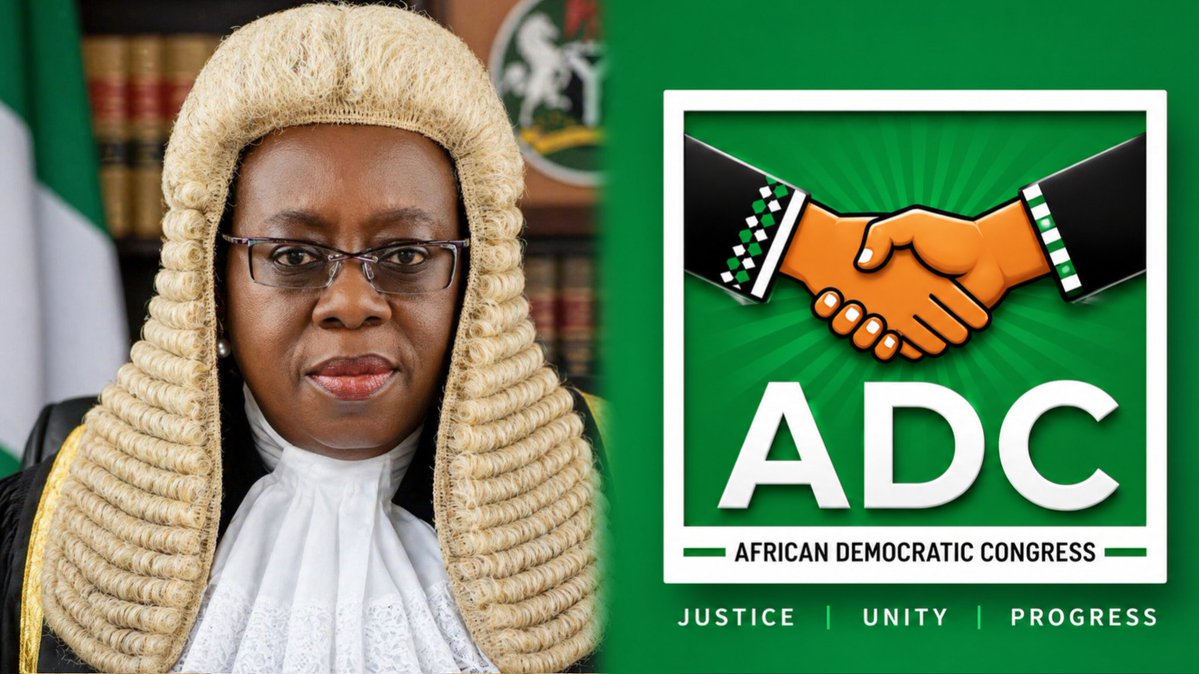
In a unanimous judgment delivered by a five-member panel, the Supreme Court nullified the Court of Appeal’s earlier decision in Abuja, which had ordered the parties to maintain the status quo ante bellum in the ADC leadership dispute.
Instead, the apex court ruled that:
- The Court of Appeal lacked jurisdiction to issue a preservative order on a matter still pending before a trial court
- Parties must return to the Federal High Court for an expedited hearing
- The appeal by former Senate President David Mark succeeded in part
- A separate challenge against an ex parte order was dismissed
Justice Mohammed Garba, who delivered the lead judgment, emphasised that appellate intervention at that stage was inappropriate given that the substantive case had not been fully heard at the lower court.
According to details reported by Channels Television, the dispute originated from a suit filed by ADC chieftain Nafiu Bala Gombe challenging the emergence of the party’s current leadership.
Why the Ruling Matters
The decision goes beyond procedural correction—it fundamentally reshapes the trajectory of the ADC leadership crisis.
Key implications include:
- Legal Reset: The case effectively returns to square one at the Federal High Court
- Leadership Uncertainty: No final judicial determination yet on legitimate leadership
- Political Timing: The dispute unfolds as opposition parties prepare for 2027
The ruling also highlights the judiciary’s insistence on procedural discipline, reinforcing the hierarchy of courts and limiting premature appellate interference.
INEC’s Role and Electoral Implications
The INEC ADC leadership issue is central to the broader impact of the ruling.
Prior to the Supreme Court decision:
- INEC had acted on the appellate court’s directive
- The electoral body de-recognised the David Mark-led leadership
With the appellate decision now voided, several questions arise:
- Will INEC reverse its earlier position?
- How will the commission treat submissions from competing factions?
- What happens if the trial court process extends into the election cycle?
This uncertainty echoes broader concerns raised in Nigeria’s electoral system, as seen in cases like the (internal linking applied conceptually).
The development also aligns with ongoing political tensions highlighted in DSG Herald’s report on party deregistration and its impact on the 2027 race, reinforcing how legal battles could shape electoral participation.
ADC Responds to Supreme Court Verdict
Despite the procedural setback, the ADC leadership welcomed the ruling.
In a statement, the party’s National Publicity Secretary, Bolaji Abdullahi, described the judgment as:
“A clear affirmation that our party, its structures, and its leadership… are legitimate.”
He further commended the judiciary, stating that the Supreme Court panel had:
“Done great credit to the judiciary in our country and our political system.”
However, the party also struck a cautious tone, warning that the ruling does not end the dispute.
Key points from ADC’s reaction:
- The party insists the ruling validates its leadership structure
- It alleges a pattern of “interference and bad faith”
- It vows not to be “intimidated, distracted, or silenced”
- It calls on members to remain vigilant ahead of 2027
Political Power Struggle Within ADC
At the centre of the David Mark ADC dispute is a broader internal struggle over:
- Party leadership control
- Strategic positioning ahead of national elections
- Influence within opposition coalitions
The involvement of high-profile figures such as former Senate President David Mark underscores the stakes involved.
This internal contest mirrors wider opposition dynamics in Nigeria, where coalition-building and leadership legitimacy are critical ahead of general elections.
What Happens Next
The Supreme Court has now directed all parties back to the Federal High Court.
Next steps include:
- Full hearing of the substantive suit filed by Nafiu Bala Gombe
- Judicial determination of legitimate ADC leadership
- Potential further appeals depending on the outcome
However, several uncertainties remain:
- The timeline for the final judgment was not specified in the original report
- Possible political negotiations outside the court remain unclear
- The impact on party cohesion is yet to be fully assessed
Implications for 2027 Elections
The ADC leadership crisis now intersects directly with Nigeria’s electoral future.
Key risks:
- Fragmentation within opposition ranks
- Confusion over party representation
- Legal delays affecting candidate nominations
Potential outcomes:
- Strengthening of judicial oversight in party disputes
- Increased scrutiny of INEC decisions
- Strategic realignment among opposition parties
As Nigeria moves closer to the 2027 elections, unresolved leadership disputes like this could shape both political alliances and voter confidence.
Judiciary and Party Politics
This case reinforces a recurring theme in Nigerian politics—the decisive role of the judiciary in resolving intra-party conflicts.
It also underscores:
- The limits of appellate courts in ongoing trials
- The importance of due process
- The growing intersection of law and electoral strategy
Recommended Coverage
You may also want to read:
- INEC and ADC Clash Deepens Ahead of 2027 Elections
Explores how electoral decisions are shaping the ADC crisis and future political alignments. - FG Budgets N135bn for Election Lawsuits Ahead of 2027
Highlights the scale of legal battles expected to influence Nigeria’s electoral landscape. - Political Party Deregistration Shakes 2027 Race
Examines how regulatory actions could redefine party participation and competition.
The Supreme Court ruling has not resolved the ADC leadership crisis; it has escalated it.
By voiding the appellate court’s order and sending the matter back to trial, the apex court has:
- Reopened the legal contest
- Introduced new uncertainty into party leadership
- Placed INEC in a delicate position
- Raised the stakes for the 2027 elections
What follows will not only determine the leadership of the ADC but could also influence the broader trajectory of opposition politics in Nigeria.
About the Author