Kaduna Student Attack: One Killed, Six Abducted in Southern Kaduna Ambush
The latest Kaduna student attack has intensified concerns over growing insecurity along school routes in Southern Kaduna, after armed bandits reportedly killed one female student and abducted six others in Akwando village, Kachia Local Government Area. The incident highlights a troubling pattern of targeted violence against students and commuters in the region, raising urgent questions about safety, response measures, and accountability.
What Happened in Akwando Village
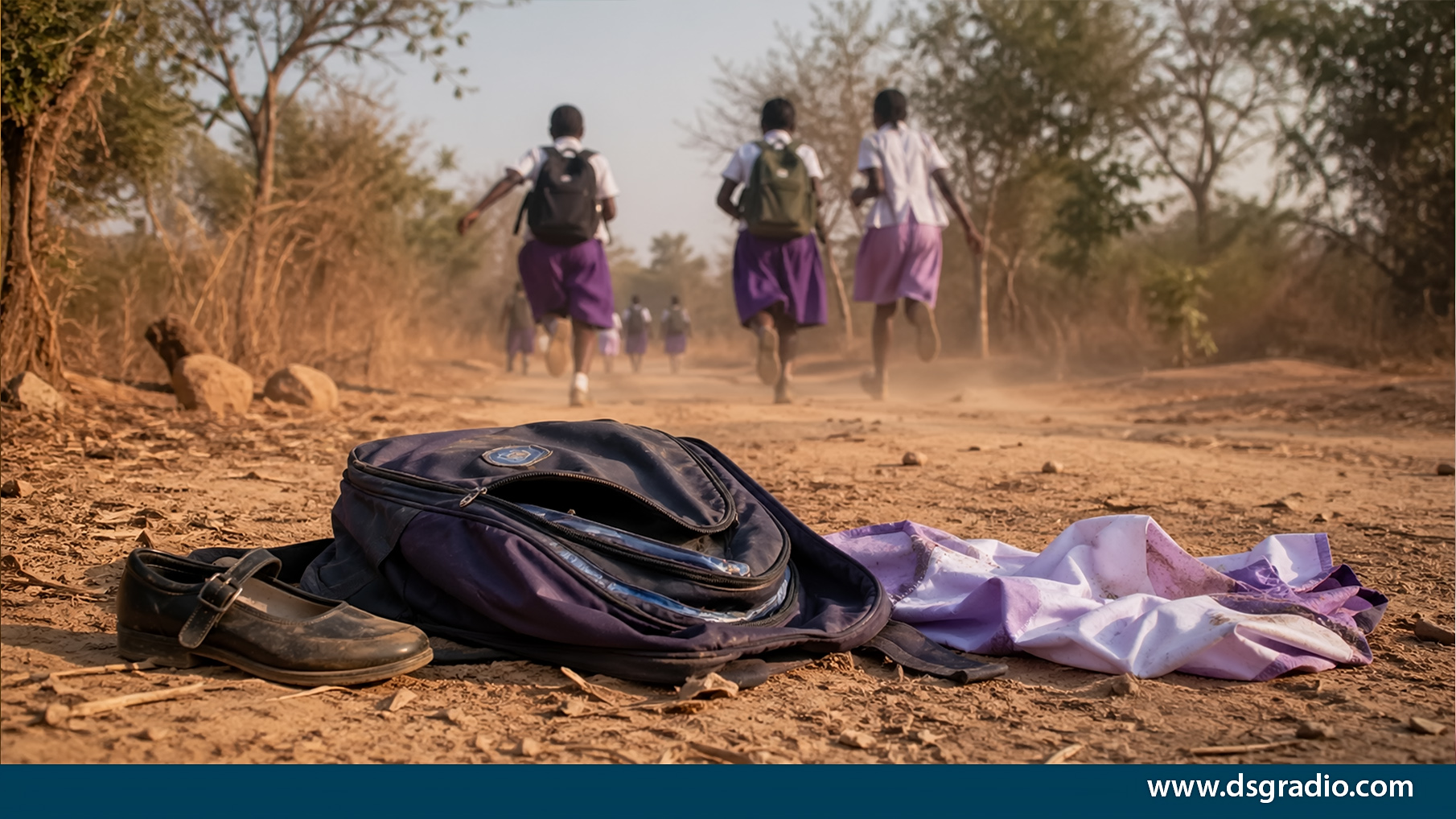
According to details from the primary report, the Kaduna student attack occurred when suspected bandits ambushed a group of female students travelling along a rural route in Akwando village, located in Kachia LGA.
The attackers reportedly opened fire on the students, triggering chaos and forcing several victims to flee into nearby bushes in a desperate attempt to escape.
Key facts from the incident include:
- One student was killed during the attack
- Six other students were abducted by the gunmen
- Several others escaped by fleeing into the surrounding forests
The attack adds to a growing list of violent incidents targeting civilians in rural parts of Kaduna State, particularly in areas with limited security presence.
Victim Identified as Student Attempts Escape
The student who lost her life in the Kaduna student attack was identified as Purity Babangida, according to the report.
She was reportedly shot while attempting to escape from the attackers, underscoring the level of danger faced by students navigating insecure routes.
Her death has become a focal point of public grief and concern, especially among families and communities already struggling with recurring security threats.
How Other Students Survived the Attack
Survivors of the Kaduna student attack reportedly trekked for hours through nearby bushes to avoid capture.
Their escape highlights:
- The absence of immediate security intervention
- The reliance on self-survival in crisis situations
- The vulnerability of students in transit zones
Details regarding the exact number of survivors remain unclear, as authorities have yet to release an official breakdown.
Pattern of Insecurity in Southern Kaduna
The Kaduna student attack reflects a broader pattern of violence in Southern Kaduna, where communities have repeatedly faced banditry, kidnappings, and targeted assaults.
Recent incidents reinforce this trend:
- A previous report on Easter attacks in Benue and Kaduna leaving 16 dead documented widespread violence across the region
- Similar rural ambushes have occurred along transit routes used by students and traders
Security analysts note that:
- Rural road networks remain poorly secured
- Bandits exploit forest corridors for mobility
- Schools and student routes are increasingly becoming soft targets
This pattern raises concerns that the Kaduna student attack is not an isolated event but part of a larger, escalating security crisis.
No Official Response Yet from Authorities
As of the time of reporting, there has been no confirmed official statement from security agencies or the Kaduna State Government regarding the Kaduna student attack.
Critical unanswered questions include:
- What immediate actions are being taken to rescue the abducted students?
- Why are known high-risk routes still unsecured?
- What preventive measures are being implemented?
The lack of timely response has become a recurring issue in similar incidents, often fueling public frustration and fear.
Growing Concerns Over Student Safety
The Kaduna student attack has intensified national concerns about the safety of students, particularly in northern Nigeria where school-related attacks have occurred over the past decade.
Key concerns include:
- Increased targeting of students for ransom
- Unsafe commuting routes in rural areas
- Limited security coverage near schools
This aligns with broader insecurity trends seen in other states, including attacks on communities such as bandit assaults in Katsina that killed a policeman, suggesting a wider regional challenge.
Wider National and International Implications
Nigeria has faced sustained international scrutiny over security challenges, particularly regarding kidnappings and attacks on civilians.
Reports like the Kaduna student attack contribute to:
- Global concern over safety in Nigeria’s education sector
- Increased pressure on government authorities
- Calls for stronger security reforms
According to a report by Sahara Reporters, the attack underscores the continued vulnerability of civilians in rural Kaduna and the persistent threat posed by armed groups operating in the region.
However, some aspects of the incident could not be independently verified at the time of reporting.
Forward Outlook: What Happens Next?
The aftermath of the Kaduna student attack raises urgent questions about the future:
- Will security forces launch a rescue operation for the abducted students?
- Will authorities reinforce security along school routes?
- Can communities continue to rely on current protection measures?
Without decisive intervention, experts warn that:
- Similar attacks may continue
- Public confidence in security institutions may decline
- Educational access could be further disrupted
The Kaduna student attack is more than a single tragic incident—it reflects a growing security crisis affecting students, communities, and rural infrastructure in Southern Kaduna.
As families await news of the abducted students, the incident underscores a critical national challenge: ensuring that access to education does not come with life-threatening risks.
🔗 Related Articles
- Traditional Ruler Killed in Ebonyi Palace Attack
A high-profile killing highlights the widening reach of violent attacks beyond northern Nigeria. - Deadly Easter Attacks in Benue and Kaduna
Mass casualty incidents underline persistent insecurity across central Nigeria. - Nigerian Brigadier General Killed in Borno
The killing of a senior military officer reflects the intensity of ongoing security threats. - US Senator Raises Alarm Over Plateau Killings
International concern grows as foreign leaders react to Nigeria’s security challenges.
About the Author