Ekiti Church Attack Deepens Concerns Over Rising Violence in Southwest Nigeria
The Ekiti church attack, which left a pastor dead and several worshippers abducted during a church service, has intensified concerns over a growing pattern of violence targeting religious centres in Southwest Nigeria, raising fresh questions about security preparedness in rural communities.
Gunmen Kill Pastor During Church Service
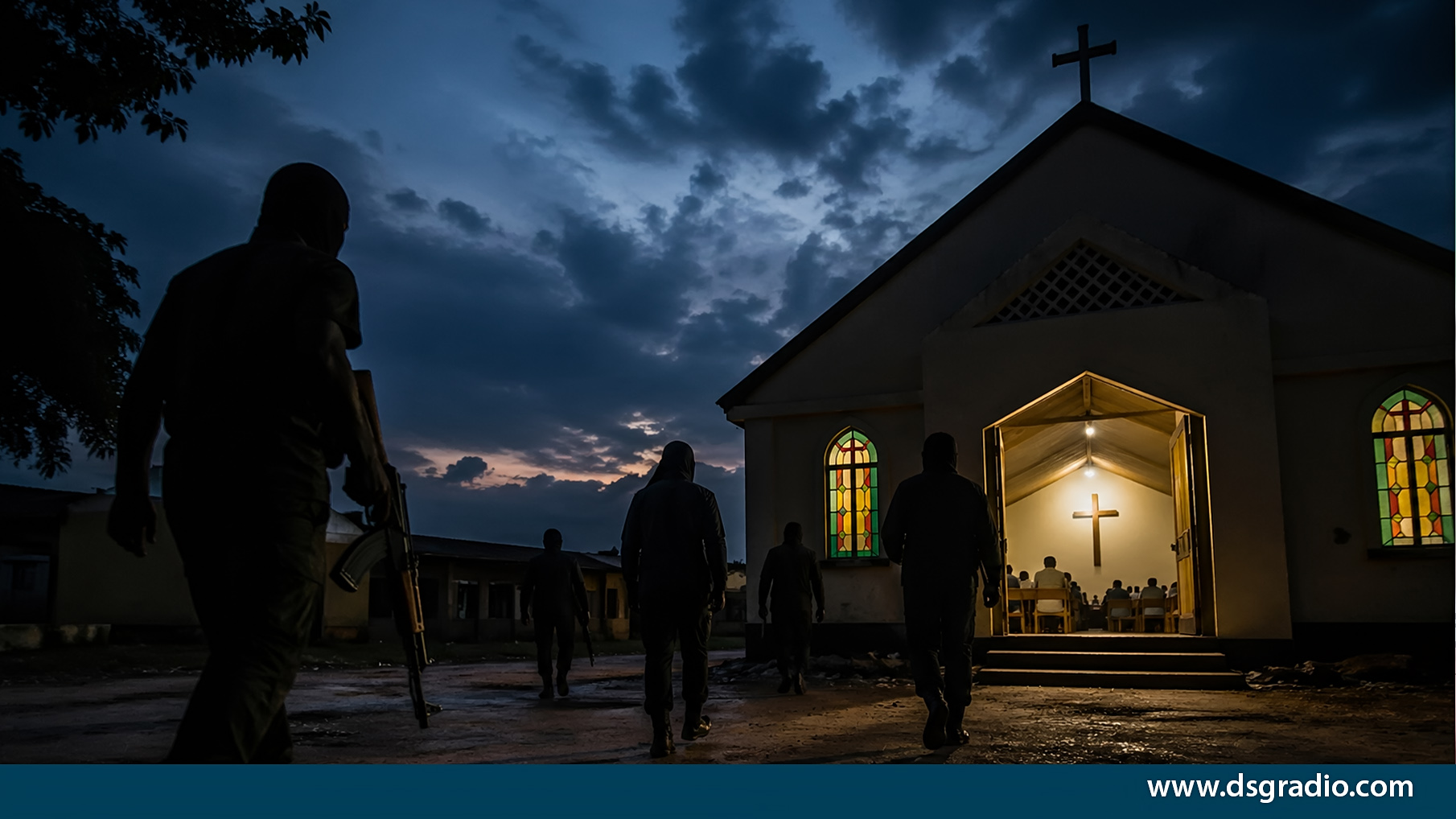
Gunmen suspected to be bandits attacked a Christ Apostolic Church (CAC) in Eda Oniyo, the headquarters of Ilejemeje Local Government Area in Ekiti State, during a church programme on Tuesday evening.
Eyewitnesses said the attackers stormed the church during a revival session at about 6:45 p.m., opening fire on worshippers. The incident resulted in the death of a pastor identified as Pastor Aregbe, while several others were injured.
Some accounts suggested the attack may have occurred later in the evening, around 8:30 p.m., though the exact timeline remains unclear.
The attackers reportedly abducted an unspecified number of worshippers, while others fled into nearby bushes in a desperate attempt to escape.
Details of the incident, including eyewitness accounts and local authority confirmations, were documented in the primary field report.
Missing Worshippers and Community Panic
Local authorities confirmed that several individuals remain missing following the attack.
The Chairman of Ilejemeje Local Government Area, Pius Alaba, said efforts were ongoing to determine the number of abducted victims, noting that some worshippers escaped while others were shot during the incident.
Residents described widespread fear across the community:
- Families searching for missing relatives
- Reduced movement within the area
- Heightened anxiety over further attacks
“The community is in panic mode,” a source said, reflecting the immediate psychological impact.
The body of the slain pastor has been deposited in a morgue, according to local officials.
Security Agencies Launch Joint Operation
The Ekiti State Police Command confirmed the attack and announced the launch of a coordinated rescue operation.
Police Public Relations Officer, Sunday Abutu, said the Commissioner of Police, Michael Falade, had directed:
- A thorough investigation
- Aggressive bush-combing operations
- A manhunt for the perpetrators
Security forces involved in the operation include:
- Nigerian Police
- Nigerian Army
- Amotekun Corps
- Agro Rangers
- Vigilantes and local hunters
Abutu stated that the objective is to ensure the safe rescue of abducted victims and the arrest of those responsible.
He also urged residents to remain vigilant and report suspicious activity, while advising religious leaders to notify security agencies before organising late-night gatherings.
Ekiti Church Attack and Emerging Pattern in Southwest
The Ekiti church attack adds to a growing list of violent incidents targeting religious gatherings, raising concerns that such spaces are becoming increasingly vulnerable.
In November 2025, gunmen attacked another Christ Apostolic Church in Oke Isegun, Eruku, Kwara State, killing at least two people and abducting about 30 worshippers.
Both incidents share similarities:
- Occurred during church programmes
- Took place in relatively rural communities
- Involved armed groups targeting large gatherings
Security observers say these patterns suggest that attackers may be exploiting predictable community events and limited rural security coverage.
Expanding Security Threat Beyond Northwest
For years, banditry and mass abductions have been concentrated in Nigeria’s Northwest, particularly in states such as Zamfara and Kaduna.
However, recent developments indicate a broader geographic spread:
- Increased attacks in the North-Central states
- Emerging incidents in Southwest communities
- Rising concerns about national security reach
This shift has raised alarms about the adaptability of armed groups and the vulnerability of regions previously considered relatively safer.
A recent analysis of Nigeria’s security situation highlighted similar concerns about the evolving nature of threats across the country, including the implications for governance and stability.
Why Worship Centres Are Increasingly Targeted
Security analysts point to several factors contributing to the vulnerability of religious gatherings:
- Large, predictable attendance patterns
- Limited or absent security presence
- Remote or semi-rural locations
- Delayed emergency response
Late-night services, including revival programmes, may further increase exposure in areas without structured security arrangements.
Human and Social Impact
Beyond the immediate casualties, the Ekiti church attack has had broader implications for community life:
- Disruption of religious activities
- Economic slowdown due to fear and restricted movement
- Psychological trauma among survivors and families
Residents say the incident has altered perceptions of safety, particularly in rural areas where security infrastructure is limited.
Official Response and Public Advisory
Authorities have called for calm while emphasising ongoing efforts to restore order.
Police spokesperson Sunday Abutu stated that measures were being taken to prevent recurrence, urging collaboration between communities and security agencies.
According to a report by Channels Television, several residents were feared missing after the attack, highlighting the scale of uncertainty surrounding the incident.
Similarly, police confirmed that joint operations are ongoing to secure the release of abducted victims, as reported by Punch, reinforcing official commitments to resolving the situation.
What We Know So Far
- Gunmen attacked a CAC church in Eda Oniyo, Ekiti
- Pastor Aregbe was killed during the service
- Several worshippers were abducted
- Multiple individuals remain missing
- Security agencies have launched rescue operations
- Investigation and manhunt are ongoing
Broader Security Implications
The Ekiti church attack underscores the need for enhanced security strategies, particularly in rural communities.
Experts say addressing the challenge will require:
- Improved intelligence gathering
- Faster emergency response systems
- Stronger community-security collaboration
Without these measures, analysts warn that attacks on civilian gatherings, including religious centres, may continue.
As rescue efforts continue, the Ekiti church attack highlights the evolving nature of insecurity in Nigeria.
While authorities have pledged decisive action, the incident underscores the need to protect vulnerable communities and to adopt proactive security measures.
Details about the exact number of abducted victims remain unclear as investigations continue.
🔗 Recommended Coverage
- Mene Ogidi Killing Raises Police Accountability Concerns
Examines systemic policing challenges relevant to ongoing security incidents. - Police Reforms Target Illegal Detention Practices
Highlights institutional reforms aimed at strengthening law enforcement credibility.
About the Author