South East Army Recruitment Decline Raises Concern
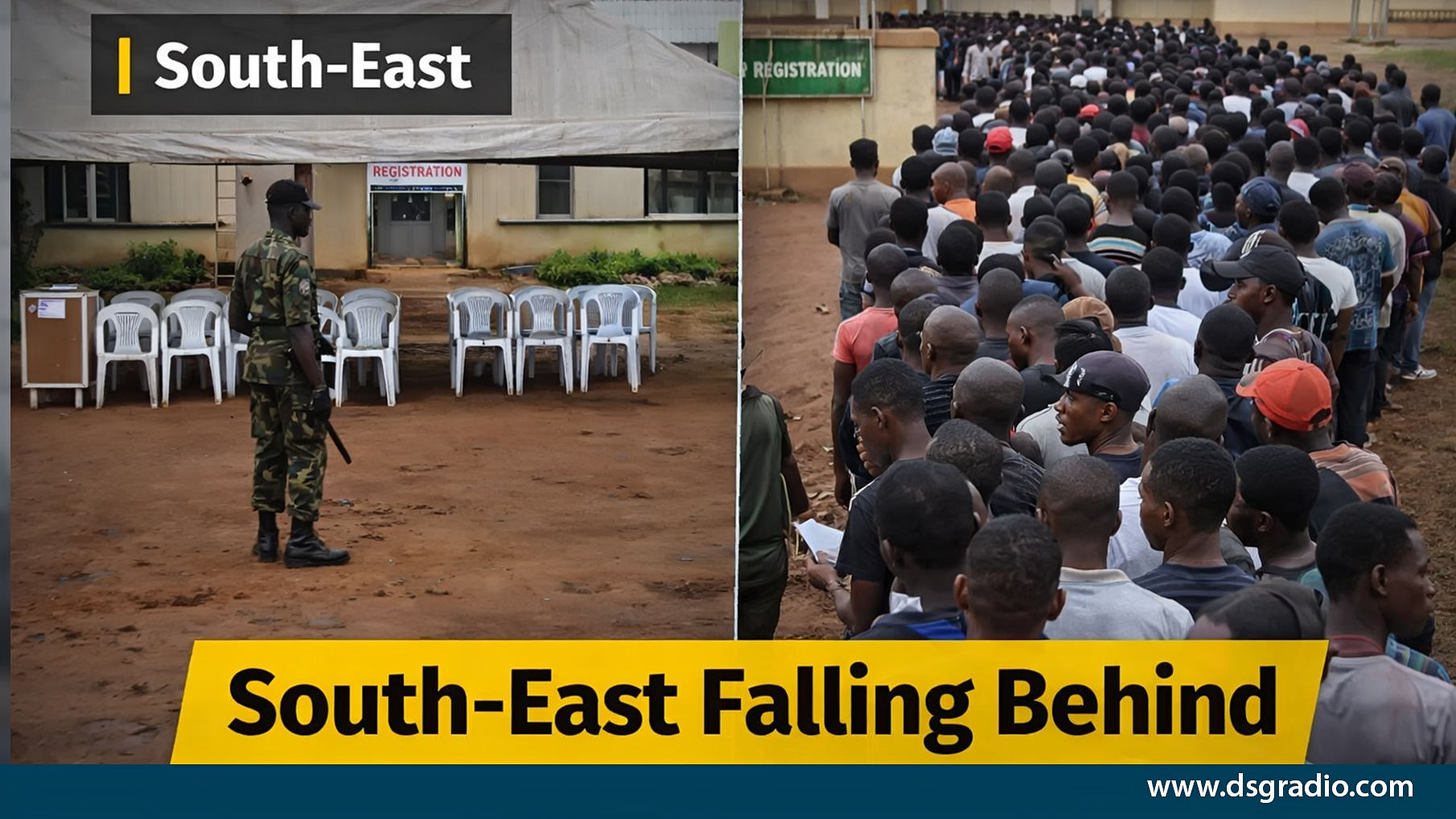
The Nigerian Army has raised fresh concerns over South East army recruitment, revealing that only 117 applicants from Anambra State were recorded out of 38,000 nationwide applications as of April 7, 2025. The disclosure was made during a sensitisation event in Awka, as military officials urged youths in the region to take advantage of enlistment opportunities before the May 27 deadline.
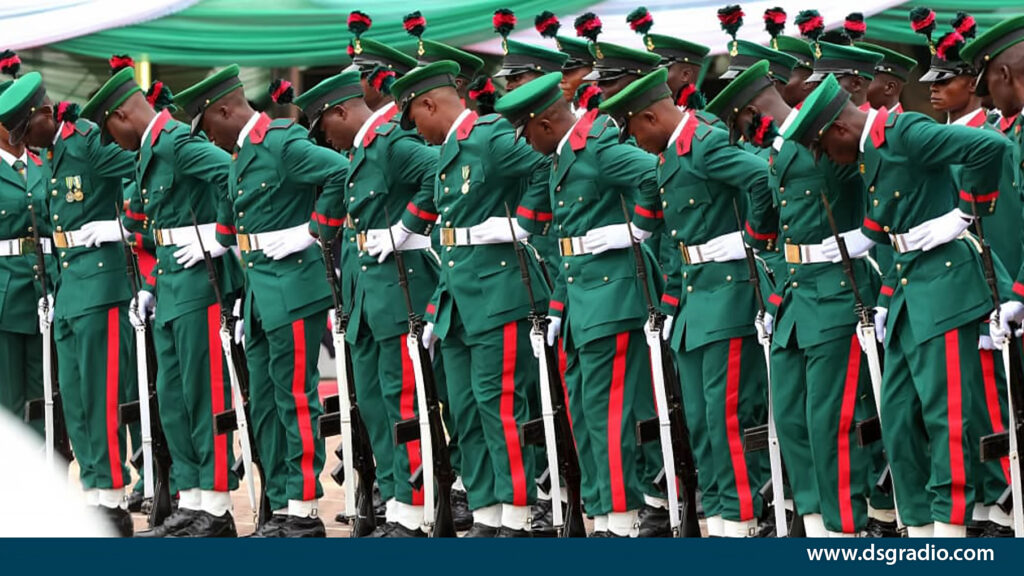
Low Participation in South East Army Recruitment
The issue of South East army recruitment has once again come under scrutiny, with military authorities warning that the region risks losing its allocated opportunities due to persistently low enlistment.
Speaking during a sensitisation programme at the Anambra State Ministry of Youths in Awka, Brigadier-General Uche Nnabuihe, who led the Army delegation, described the figures as concerning.
- Total nationwide applications: 38,000
- Applicants from Anambra: 117
- Timeline: As of April 7, 2025
The sensitisation campaign is part of efforts tied to the ongoing 91 Regular Recruits Intake.
According to Nnabuihe, the initiative aims to address the imbalance and encourage eligible youths from the South-East to participate actively in military service.
“We observed with concern that out of 38,000 applications received nationwide, only 117 came from Anambra,” he said.
Historical Trend of South East Enlistment Decline
The current figures reflect a broader, ongoing decline in South East enlistments, which the Nigerian Army has repeatedly flagged.
Earlier in April 2025, during a town hall meeting in Enugu, Chima Ekeator, leader of the Army’s recruitment enlightenment team, noted that the region was gradually losing out on its allocated recruitment slots.
- Allocated slots (previous year): 200
- Actual applications: Fewer than 100
Ekeator warned that the trend suggests a growing crisis in Nigerian army recruitment in the South-East.
“Our people are losing what rightly belongs to them,” he stated.
This pattern highlights a structural gap between opportunity and participation, raising concerns about regional representation in the military.
Nigerian Army Expands Recruitment Incentives
To counter the low military enrolment in Nigeria, the Army has intensified awareness campaigns and highlighted the benefits of joining the service.
Lieutenant-Colonel Ogbemudia Osawe outlined several incentives:
- Structured career progression
- Regular salaries and allowances
- Continuous military education
- Specialised training opportunities
- Free medical care for personnel and families
- Pension and gratuity benefits
- Opportunities for international assignments
He also revealed that training infrastructure has been expanded, with new facilities in:
- Abakaliki
- Osogbo
These developments are intended to accommodate more recruits and improve training capacity nationwide.
Misconceptions and Public Perception
Officials attribute the decline in South East army recruitment partly to misinformation and negative perceptions of military service.
Ifeatu Emodi, Permanent Secretary of the Anambra State Ministry of Youths, said many young people in the region are discouraged by misconceptions about the Army.
“Many young people in the region have shown declining interest due to misinformation,” he noted.
Traditional ruler Igwe Michael Okeke-Uche of Enugwu-Agidi also addressed the issue, urging youths to reconsider their stance.
He emphasised that participation in the military ensures:
- Regional representation
- National integration
- Access to structured career opportunities
Why South East Army Recruitment Matters
The South East army recruitment issue goes beyond numbers—it reflects broader concerns about national inclusion and regional balance within Nigeria’s security institutions.
Key Implications:
- Underrepresentation: Fewer recruits may reduce the region’s influence within the military structure.
- Lost Opportunities: Allocated slots may be reassigned to other regions with higher participation.
- Security Dynamics: Balanced representation is often considered critical to national cohesion.
Analysts note that addressing the Nigerian army recruitment crisis requires sustained engagement, not just periodic campaigns.
National and Global Context
Military recruitment challenges are not unique to Nigeria. Across several countries, armed forces face declining interest among young people due to:
- Changing career preferences
- Safety concerns
- Economic alternatives
However, Nigeria’s case carries additional regional dimensions, particularly in the South-East, where socio-political narratives influence public perception.
As reported by Punch, the Nigerian Army has continued to intensify outreach efforts to reverse the trend and improve enlistment figures.
Deadline and Call to Action
The Nigerian Army has reiterated that the current recruitment exercise remains open until May 27, 2025.
Officials are urging:
- Eligible youths (both tradesmen and non-tradesmen)
- Community leaders
- Youth organisations
to actively promote participation in the process.
Related Articles
You may also want to read:
- Nigerian Army Intercepts Terrorist Medical Supplies
A recent operation highlights the Army’s active role in national security, reinforcing the importance of adequate recruitment. - Nigeria Appoints First Female Army Spokesperson
The historic appointment reflects evolving diversity within the military and encourages broader participation across regions.
The renewed concern over South East army recruitment underscores a persistent gap between opportunity and participation in Nigeria’s military system. While the Army continues to expand incentives and awareness campaigns, officials stress that reversing the trend will depend largely on changing perceptions and increasing grassroots engagement.
With the recruitment deadline approaching, the coming weeks may determine whether the South-East can close the gap or continue to lag behind in national military representation.
About the Author