Sokoto Badagry Highway Loan Signals Nigeria’s New Trade Corridor Strategy
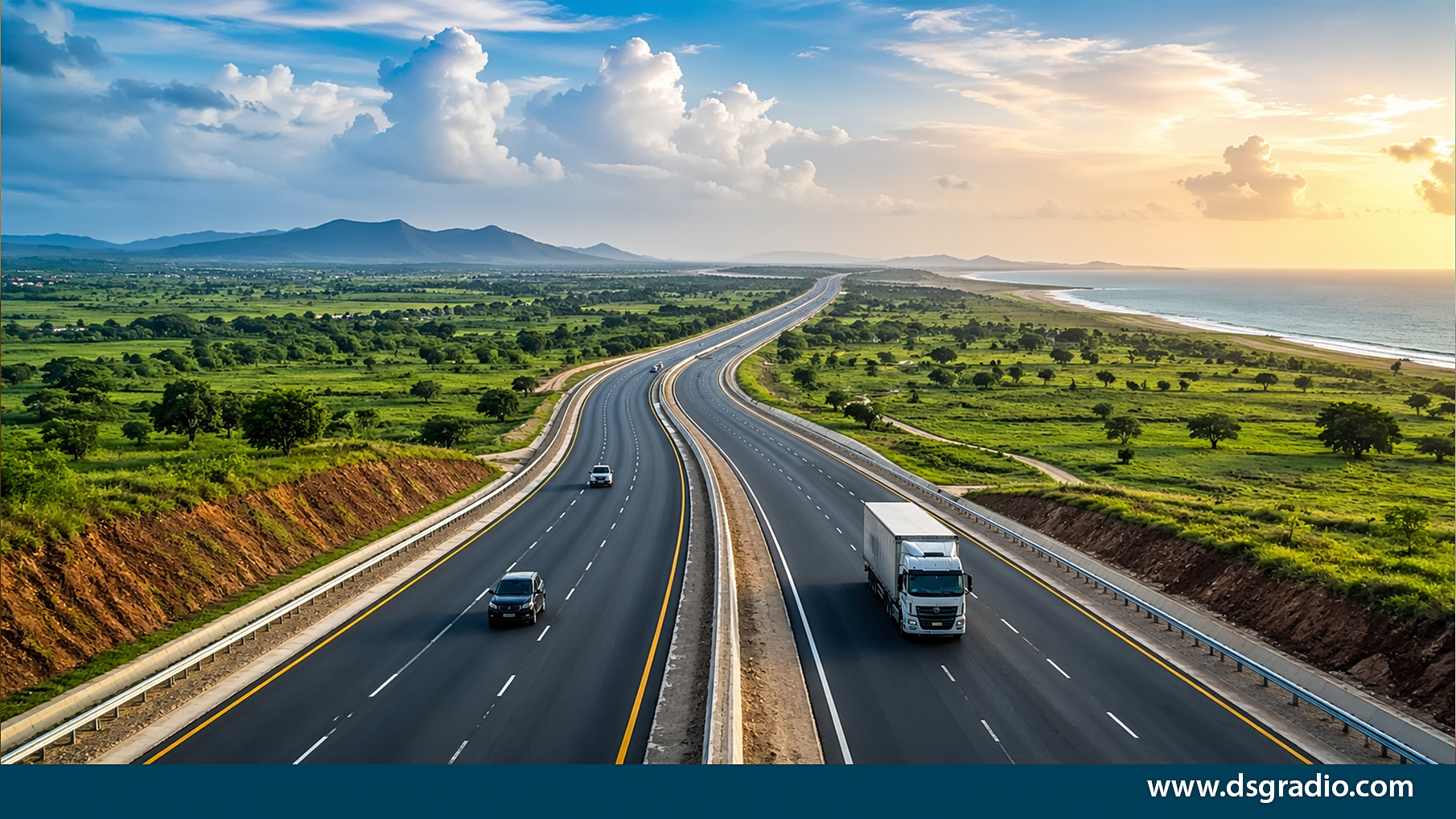
The Sokoto Badagry highway loan approved by Nigeria’s House of Representatives represents a major infrastructure shift aimed at strengthening trade corridors, reducing logistics costs, and improving north-south connectivity in Nigeria. The project, backed by a $516.33 million facility from Deutsche Bank, is designed to link agricultural regions in the north with commercial and export hubs in the south, forming a key pillar of President Bola Tinubu’s infrastructure agenda.
Sokoto Badagry Highway Loan and Economic Policy Direction
The Sokoto Badagry highway loan highlights a broader policy direction centred on infrastructure-led economic growth. The project is part of the government’s Renewed Hope Agenda, which targets improvements in transportation efficiency, trade facilitation, and national integration.
President Bola Tinubu, in his request to lawmakers, described the superhighway as a transformative project that would enhance:
- Transport efficiency across regions
- National economic integration
- Trade and logistics performance
The House of Representatives approved the request during plenary presided over by Speaker Tajudeen Abbas, following recommendations from the Committee of Supply and the House Committee on Aids, Loans and Debt Management.
Strategic Corridor: Linking Production to Ports
At the core of the Sokoto Badagry highway loan is a strategic corridor designed to bridge Nigeria’s economic divide.
The highway will stretch approximately 1,000 kilometres from Illela in Sokoto State to Badagry in Lagos State, passing through:
- Sokoto
- Kebbi
- Niger
- Kwara
- Oyo
- Ogun
- Lagos
This route connects:
- Northern agricultural production zones
- Middle-belt commercial hubs
- Southern industrial and export centers
The corridor is expected to significantly reduce the time and cost of transporting goods across the country.
Impact on Agriculture, Food Supply, and Inflation
The Sokoto Badagry highway loan is expected to have direct implications for Nigeria’s agricultural economy.
Improved road infrastructure could:
- Facilitate faster movement of farm produce
- Reduce spoilage and post-harvest losses
- Improve market access for rural farmers
- Stabilise food supply chains
By enhancing connectivity between farms and markets, the project may help moderate food prices over time.
However, the extent of its impact on inflation was not specified in the original report.
Financing Structure of the Sokoto Badagry Highway Loan
The Sokoto Badagry highway loan combines international financing with domestic funding.
Key details include:
- $516.33 million loan from Deutsche Bank
- Partial guarantee from the Islamic Development Bank’s insurance arm
- ₦265.54 billion counterpart funding from the Federal Government
The counterpart funding will cover:
- Land acquisition
- Compensation payments
- Complementary infrastructure
According to the funding approval, followed by deliberations by the House Committee on Aids, Loans and Debt Management, represented by Abdullahi El-Rasheed on behalf of Chairman Abubakar Nalaraba.
Sokoto Badagry Highway Loan and AfCFTA Competitiveness
The project aligns with Nigeria’s strategic ambitions under the African Continental Free Trade Area (AfCFTA).
Improved transport infrastructure could:
- Enhance Nigeria’s export competitiveness
- Reduce logistics bottlenecks
- Improve cross-border trade efficiency
By linking inland production zones directly to coastal ports, the highway may strengthen Nigeria’s role in regional trade networks.
Multi-State Economic Benefits
The Sokoto Badagry highway loan is expected to deliver varying benefits across the states it traverses.
Northern Region
- Improved agricultural distribution
- Better access to southern markets
Middle Belt
- Growth in logistics and transportation services
- Increased commercial activity
Southern Region
- Enhanced access to ports
- Increased industrial and export capacity
This multi-state impact positions the project as a national economic integration initiative.
Future Infrastructure Integration Plans
The Sokoto Badagry highway loan includes provisions for long-term infrastructure development.
The project design incorporates:
- A central median reserved for future rail integration
- Utility corridors for infrastructure expansion
- Intermodal transport flexibility
These features suggest a broader plan to integrate road and rail transport systems over time.
Legislative Backing and Approval Process
The Sokoto Badagry highway loan received legislative backing following a formal presentation to the House of Representatives.
Speaker Tajudeen Abbas presided over the session where the request was considered.
The House Committee on Aids, Loans and Debt Management recommended approval, emphasising the project’s strategic importance to national development.
Lawmakers were urged to expedite approval to support timely implementation.
Debt Considerations and Fiscal Implications
The Sokoto-Badagry Highway loan contributes to Nigeria’s broader infrastructure financing strategy.
While infrastructure investment is seen as essential for growth, it also raises key questions:
- Sustainability of external borrowing
- Long-term return on infrastructure investments
- Impact on national debt levels
Details regarding repayment terms were not specified in the original report.
National Integration and Connectivity Gains
Beyond economic outcomes, the Sokoto-Badagry Highway loan is expected to improve national cohesion.
The highway could:
- Enhance mobility across regions
- Reduce travel risks
- Improve access to services
By linking distant parts of the country, the project may strengthen both economic and social integration.
Outlook: A Defining Infrastructure Investment
The Sokoto Badagry highway loan represents a significant step in Nigeria’s infrastructure development.
If effectively implemented, the project could:
- Transform internal trade networks
- Improve logistics efficiency
- Strengthen Nigeria’s position in regional trade
However, the long-term impact will depend on execution, funding management, and sustained policy support.
🔗 Related Coverage
- World Bank Approves $1.08bn Nigeria Growth Loan
This report examines how international financing is shaping Nigeria’s infrastructure and economic expansion strategy. - Nigeria Disburses ₦22bn Student Loan Fund
Highlights government spending priorities across sectors, including education and financial support initiatives.
About the Author