Jonathan 2027 Eligibility Battle Deepens Amid Court Dispute
Former President Goodluck Jonathan’s possible return to presidential politics has triggered renewed constitutional and political debate after a Federal High Court in Abuja adjourned a suit challenging his eligibility to contest the 2027 presidential election.
The latest Goodluck Jonathan court case has quickly become one of the most closely watched legal developments ahead of Nigeria’s next election cycle, especially as speculation continues to grow around a possible Jonathan presidential bid.
Justice Peter Lifu adjourned proceedings to May 11, 2026, after lawyers informed the court that fresh legal filings had only recently been served on the parties to the matter.
Jonathan’s legal team also challenged the suit, insisting that similar constitutional questions surrounding the former president’s tenure had already been addressed in earlier judicial rulings.
The renewed 2027 election lawsuit comes shortly after Jonathan publicly stated that he would “consult widely” before making any decision on a possible return to frontline politics.
Why Jonathan 2027 Eligibility Is Being Challenged
The legal dispute centres on whether Jonathan can constitutionally seek another presidential term after previously completing the tenure of late President Umaru Musa Yar’Adua and later serving a full elected term.
Lawyer Johnmary Jideobi, who filed the suit, is asking the court to restrain Jonathan from presenting himself to any political party as a candidate in the 2027 presidential election.
The plaintiff is also seeking an order preventing the Independent National Electoral Commission (INEC) from accepting or publishing Jonathan’s name as a presidential candidate if he decides to contest.
According to court filings, the plaintiff argues that Jonathan effectively occupied the presidency twice:
- First, after Yar’Adua’s death in 2010
- Second, after winning the 2011 presidential election
Lawyers opposing Jonathan’s eligibility insist that another presidential contest could amount to taking the presidential oath for a third time, which they argue violates constitutional term limits.
The constitutional interpretation battle surrounding Jonathan 2027 eligibility has continued to generate debate among legal experts and political analysts across Nigeria.
Jonathan Presidential Bid Faces Legal Pushback
During proceedings at the Federal High Court in Abuja, Jonathan’s lawyer, Chris Uche (SAN), informed the court that the former president only became aware of the suit through media reports.
According to Uche, Jonathan’s legal team moved quickly to file:
- A conditional appearance
- A notice of preliminary objection
- A counter-affidavit
- A written address challenging the case
The senior advocate argued that the matter had already been addressed in earlier court decisions extending from the Federal High Court to the Court of Appeal.
Counsel to the plaintiff, Ndubuisi Ukpai, however, told the court that he had only recently been served with Jonathan’s legal response and needed additional time to study the filings.
The court subsequently adjourned proceedings to May 11 and directed that hearing notices be properly served on all respondents, including INEC and the Attorney-General of the Federation, who were absent during proceedings.
According to a Channels Television report, Jonathan’s legal team maintained that similar constitutional questions had already been settled by previous judicial rulings.
Goodluck Jonathan Court Case Rekindles Political Debate
The renewed legal battle has also intensified political speculation surrounding Jonathan’s future.
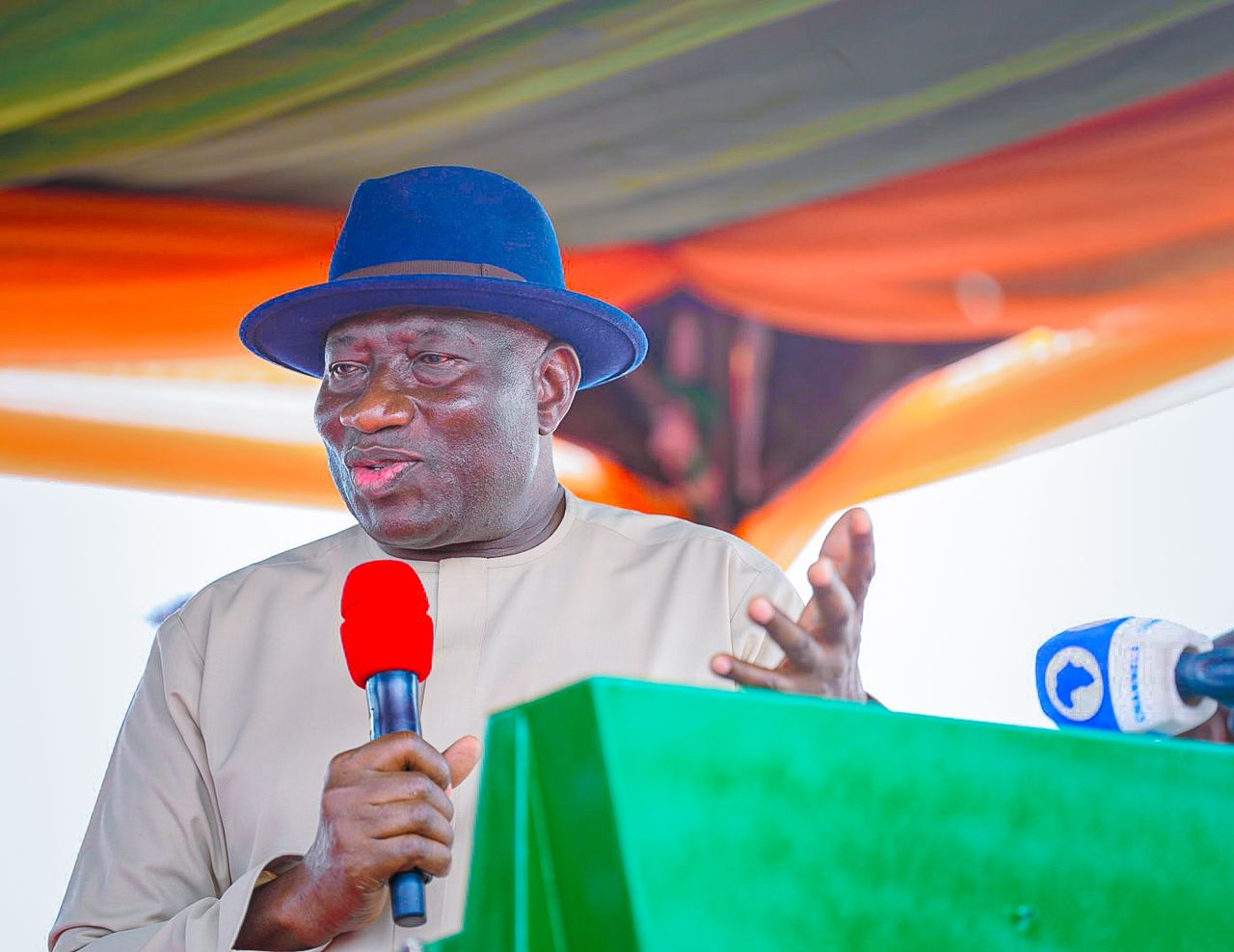
Speaking recently during a meeting with youth groups in Abuja, the former president said contesting Nigeria’s presidency was “not a computer game” and stressed that he would consult widely before making any political decision.
Jonathan also urged young Nigerians to support peaceful elections and actively participate in democratic processes.
The former president criticised low voter turnout and encouraged Nigerian youths to register to vote and become more involved in the electoral process.
As reported by Punch Newspapers, Jonathan said peaceful and credible elections were necessary to encourage capable citizens to participate in politics.
The comments further fueled discussions surrounding a possible Jonathan presidential bid, even though the former president has not officially declared interest in the race.
What Section 137 Says — Explained
The legal arguments in the 2027 election lawsuit revolve around the interpretation of Section 137 of Nigeria’s 1999 Constitution.
The dispute focuses largely on whether completing another president’s unfinished tenure should count as a full constitutional term.
Jonathan became president in May 2010 following Yar’Adua’s death, then won the 2011 election and served until 2015.
Supporters of Jonathan’s eligibility argue that he was elected president only once through a nationwide election.
Opponents, however, insist that his period in office from 2010 to 2015 effectively constituted two constitutional occupancies of the presidency.
The constitutional debate surrounding Jonathan 2027 eligibility also gained renewed attention after amendments introduced during former President Muhammadu Buhari’s administration addressed succession scenarios involving vice presidents and governors.
However, legal analysts remain divided on whether those constitutional provisions can be applied retroactively to Jonathan’s presidency.
Details regarding how the court may ultimately interpret these provisions remain unclear.
Why The 2027 Election Lawsuit Matters Politically
Political analysts believe the latest court challenge could significantly influence conversations surrounding Nigeria’s 2027 presidential race.
The case comes amid:
- Growing political realignments
- Opposition coalition discussions
- Regional zoning debates
- Internal PDP tensions
- Youth-driven calls for alternative leadership options
Observers say uncertainty surrounding a possible Jonathan presidential bid could shape calculations within major political parties ahead of the election.
The latest Goodluck Jonathan court case has also reopened broader discussions about leadership succession, constitutional clarity, and political transition in Nigeria.
For a broader political context, readers can also explore Why Political Pressure Is Mounting For Jonathan’s Possible 2027 Return and Inside The Constitutional Debate Over Goodluck Jonathan’s 2027 Eligibility.
Timeline Of Jonathan 2027 Eligibility Debate
Key Events
- May 2010: Jonathan was sworn in after Yar’Adua’s death
- 2011: Wins presidential election
- 2015: Loses re-election bid
- 2022: Fresh speculation emerges over possible political comeback
- 2026: New court suit challenges possible 2027 ambition
What Happens Next In The Goodluck Jonathan Court Case
The Federal High Court is expected to resume proceedings on May 11, when Jonathan’s preliminary objection and the substantive constitutional questions could be considered.
The outcome may determine whether the case proceeds to a prolonged constitutional contest or is dismissed early.
For now, the debate surrounding Jonathan 2027 eligibility remains one of the most significant early political flashpoints ahead of Nigeria’s 2027 election season.
The original developments were first reported by Punch Newspapers.
Recommended Coverage:
- Peter Obi’s ADC Exit Reshapes 2027 Opposition Politics
A closer look at how opposition realignments could influence the wider 2027 presidential contest. - Supreme Court Ruling Deepens ADC-PDP 2027 Tensions
This report examines the legal and political battles already shaping Nigeria’s next election cycle. - Nigeria Political Realignment Deepens As NDC Emerges
An analysis of shifting political alliances and their implications ahead of 2027. - Diezani London Trial Tests Global Anti-Corruption Enforcement
The story explores how high-profile Nigerian political cases continue to attract international legal attention.
About the Author