Ghana Anti-LGBTQ Bill Advances Amid Rights Concerns
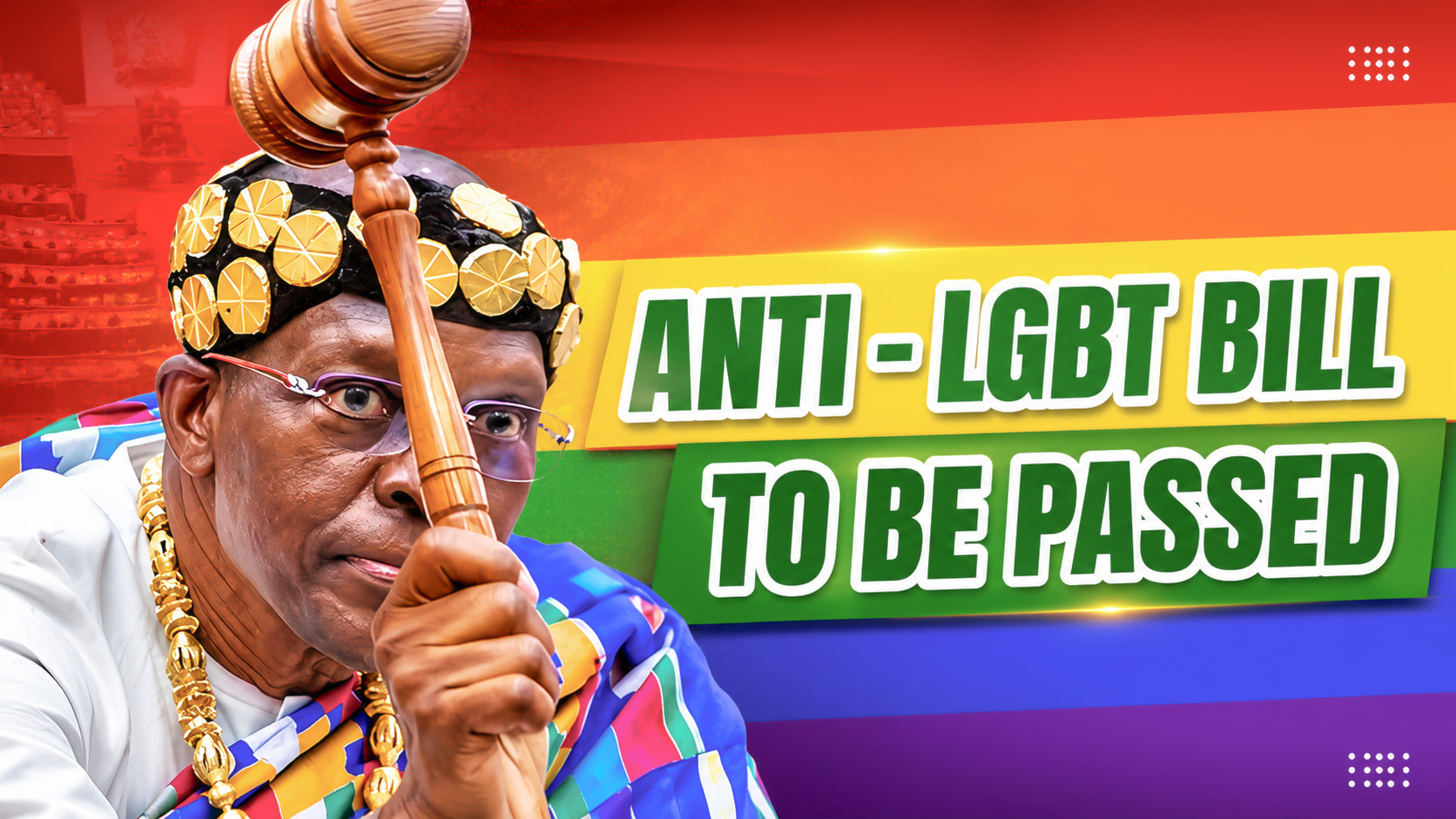
ACCRA, Ghana — Ghana’s parliament has approved a controversial anti-LGBTQ bill that would impose prison terms on individuals involved in same-sex relations and those accused of promoting or supporting LGBTQ activities, reviving legislation that previously stalled despite strong backing from religious organisations and conservative groups. The move has reignited debate over human rights protections, constitutional freedoms, and the potential economic consequences for the West African nation while placing Ghana at the centre of a broader African conversation about sexuality, culture and law.
The legislation, passed by lawmakers in Accra on Friday, is expected to receive the backing of President John Dramani Mahama, who has previously indicated support for such measures. The bill comes amid growing efforts across several African countries to strengthen laws restricting same-sex relationships and LGBTQ advocacy.
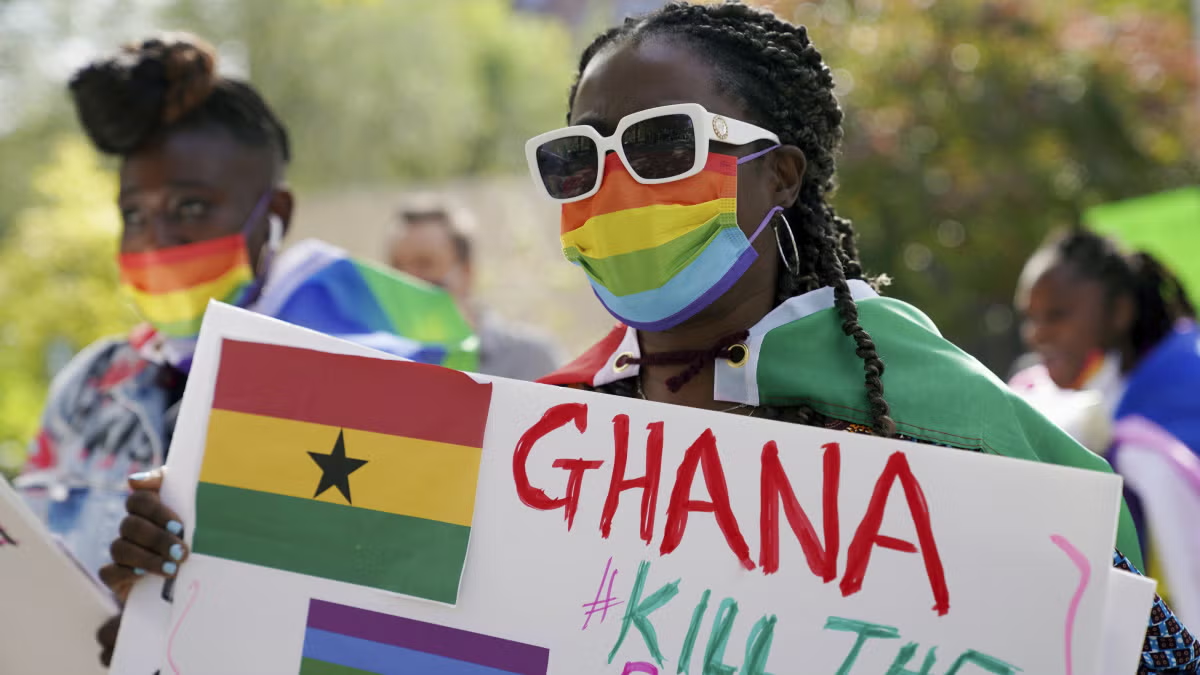
Ghana Anti-LGBTQ Bill Returns After Earlier Effort Failed
The latest parliamentary action marks the return of legislation that first attracted international attention in 2024.
An earlier version of the bill successfully passed through parliament but was never signed into law by former President Nana Akufo-Addo before he left office. Supporters of the legislation, including church organisations, traditional leaders and conservative advocacy groups, continued to campaign for its revival.
The renewed push has now resulted in another parliamentary approval, bringing Ghana closer than ever to enacting one of the continent’s most debated LGBTQ-related laws.
Under the bill, individuals found guilty of promoting, sponsoring or advocating LGBTQ activities could face prison terms of up to 10 years. Individuals engaging in same-sex acts could face sentences of up to three years.
The legislation also targets funding and organisational support linked to LGBTQ groups and activities.
What the Ghana Anti-LGBTQ Bill Contains
The Ghana anti-LGBTQ bill expands restrictions beyond existing criminal provisions already present in Ghanaian law.
Current legislation inherited from the colonial era criminalises what is officially described as “unnatural carnal knowledge.” However, the new measure extends legal exposure to advocacy, support networks and activities perceived as promoting LGBTQ rights.
Key provisions include:
- Prison terms of up to 10 years for promotion or advocacy.
- Up to three years’ imprisonment for same-sex acts.
- Restrictions on funding LGBTQ-related activities.
- Penalties against individuals operating facilities linked to prohibited sexual activities.
- Additional enforcement mechanisms to curb public support campaigns.
Supporters argue that these provisions reinforce social values they believe are central to Ghanaian culture and family life.
Critics contend that the law broadens criminal liability in ways that could affect freedom of expression, association and privacy.
Supporters Frame Bill as Protection of Cultural Values
Backers of the legislation have consistently argued that the measure reflects widely held cultural and religious beliefs.
Religious organisations have been among the most vocal supporters, maintaining that the law protects traditional family structures and moral values.
In Ghana, where Christianity and Islam play significant roles in public life, opposition to LGBTQ rights enjoys substantial public support among many communities.
Supporters say parliament’s action demonstrates responsiveness to public sentiment and cultural expectations.
The issue has become one of identity as much as policy, with advocates portraying the bill as a defence of national values against what some describe as foreign social influences.
Human Rights Groups Warn of Wider Consequences
Human rights organisations have strongly criticised the legislation.
Human Rights Watch urged Ghanaian authorities to uphold internationally recognised protections for equality, non-discrimination, freedom of expression, and privacy.
Advocacy groups argue that the bill could increase social stigma against LGBTQ individuals and create a more challenging environment for civil society organisations working on human rights issues.
Critics also question whether some provisions are compatible with constitutional protections.
Legal experts are expected to closely examine the legislation should it become law, potentially setting the stage for future legal challenges.
The controversy highlights an ongoing tension visible in several countries between domestic political priorities and international human rights standards.
Economic Risks Resurface as Ghana Considers New Law
One of the most significant aspects of the debate involves economics.
When a previous version of the legislation advanced in 2024, Ghana’s Finance Ministry reportedly warned that enactment could threaten access to billions of dollars in international support and development financing.
Those concerns have resurfaced following parliament’s latest action.
Analysts note that international development agencies, financial institutions and donor governments increasingly consider governance and human rights issues when evaluating partnerships and aid programs.
Although no immediate financial measures have been announced, the debate raises questions about how key international partners may respond if the legislation becomes law.
For Ghana, which continues efforts to strengthen economic stability and attract investment, the issue could become part of broader discussions about governance, development assistance and international engagement.
Ghana Joins Wider African Trend
The Ghana anti-LGBTQ bill emerges against a broader continental backdrop.
More than 30 African countries currently maintain laws criminalising same-sex relationships.
Penalties vary widely across jurisdictions.
Some countries impose lengthy prison terms, while others maintain harsher sanctions.
The trend reflects a complex mix of colonial-era legal frameworks, religious influence, domestic politics and evolving cultural debates.
Across Africa, governments continue to face pressure from competing forces:
- Domestic constituencies supporting traditional norms.
- Human rights organisations advocating reform.
- International partners promoting equality protections.
- Political leaders are balancing local and global expectations.
The result has been an increasingly polarised debate over LGBTQ rights throughout the continent.
Implications for Regional Politics
The passage of the Ghana anti-LGBTQ bill may influence discussions elsewhere in West Africa.
Ghana is widely regarded as one of the region’s more stable democracies, and policy decisions made in Accra often attract attention beyond its borders.
Political observers say the legislation could encourage similar initiatives in countries where conservative religious and cultural groups are pushing for stricter laws.
At the same time, it may strengthen opposition campaigns led by civil society organisations advocating legal reforms and broader protections.
The debate, therefore, extends beyond Ghana’s borders and touches on wider questions concerning governance, rights and social policy across Africa.
Why the Story Matters to Nigeria and the Region
For Nigerian audiences, developments in Ghana are significant because both countries are influential political and economic actors in West Africa.
Questions surrounding sexuality, cultural identity, religion and legal policy continue to generate strong public interest across the region.
The Ghanaian experience may also be closely watched by policymakers, advocacy groups, and legal experts as they evaluate how governments navigate sensitive social issues while maintaining international partnerships.
The issue intersects with broader debates about:
- National sovereignty.
- Constitutional rights.
- Religious influence in governance.
- International diplomacy.
- Economic development priorities.
These themes remain relevant across much of Africa.
For additional regional policy coverage, readers may also review DSG HERALD NEWS reporting on Ghanaian lawmakers reintroducing a controversial anti-LGBTQ bill
What Happens Next?
Attention now turns to President John Dramani Mahama.
If signed into law, the legislation would represent one of the most consequential LGBTQ-related policy developments in Ghana’s recent history.
Human rights organizations are expected to continue campaigning against the measure, while supporters are likely to intensify calls for swift implementation.
The coming weeks could determine whether the legislation becomes law and how domestic institutions, international partners and civil society groups respond.
Regardless of the outcome, the parliamentary vote has already positioned Ghana at the centre of a major debate about rights, culture, governance and development in modern Africa.
Recommended Coverage
Ghana Lawmakers Revive Controversial LGBTQ Legislation
Provides additional background on the legislative journey and political debates surrounding the proposed law.
Kogi University Sanctions Raise Questions About Digital Conduct
Examines governance, discipline and accountability issues affecting students and educational institutions.
Japan Court Strips Unification Church of Legal Status
Explores the intersection of religion, law and government oversight in a major international court decision.
Zero Discrimination Day Highlights Global Equality Debate
Looks at international efforts promoting equality, inclusion and human rights awareness.
Pope Francis’ Legacy and Global Influence
Reviews the influence of one of the world’s most significant religious figures and his impact on global social issues.
About the Author