Will ₦100,000 Minimum Wage Ease Nigeria’s Cost Crisis?
Governors Push New Nigeria Minimum Wage Amid Rising Economic Pressure
Nigeria’s governors have proposed a new national minimum wage of ₦100,000, opening a fresh chapter in the country’s debate over salaries, inflation and workers’ welfare. The proposal, disclosed by the Chairman of the Nigeria Governors’ Forum (NGF) and Governor of Kwara State, AbdulRahman AbdulRazaq, comes as millions of Nigerians continue to struggle with rising food prices, transportation costs, rent, healthcare expenses and broader economic pressures.
The proposal is already attracting nationwide attention because it goes beyond a simple wage review. It raises a larger question that affects workers, businesses and policymakers alike: Will a ₦100,000 minimum wage be enough to improve living standards in today’s Nigeria?
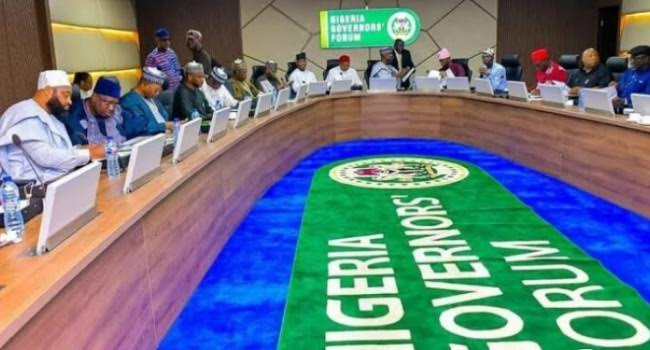
According to AbdulRazaq, governors are engaging with the Federal Government and organised labour to reach a wage structure that improves workers’ welfare while remaining financially sustainable for governments across the federation.
The discussions come at a critical time when economic reforms, inflationary pressures and the rising cost of living continue to shape household budgets across the country.
Why the Nigeria Minimum Wage Debate Has Returned
The renewed push for higher wages is largely a response to the economic realities facing ordinary Nigerians.
Over the past several years, inflation has significantly increased the prices of essential goods and services. Food, transportation, electricity, rent and healthcare have all become more expensive, reducing the purchasing power of many workers.
The removal of fuel subsidies, exchange-rate reforms and broader economic adjustments have transformed household spending patterns. While government officials argue that reforms are necessary to strengthen the economy over the long term, many workers say their incomes have not kept pace with rising expenses.
As a result, labour unions and civil society groups have repeatedly argued that salaries must reflect current realities rather than historical benchmarks.
The Nigeria Labour Congress (NLC) has consistently maintained that workers deserve wages capable of meeting modern economic demands rather than merely providing survival income.
This growing pressure has contributed to the latest proposal from governors.
Current Versus Proposed Wage
The proposed increase would represent a notable jump from the current national benchmark.
| Wage Level | Amount |
|---|---|
| Current Minimum Wage | ₦70,000 |
| Proposed Minimum Wage | ₦100,000 |
| Increase | ₦30,000 |
The proposed adjustment represents approximately a 43 percent increase over the current statutory minimum wage.
While this appears substantial on paper, the real question is how far ₦100,000 can go in today’s economy.
Will ₦100,000 Be Enough?
This is where the debate becomes more complex.
A worker earning ₦100,000 monthly would undoubtedly be better off than someone earning ₦70,000. However, economic analysts often stress that the true value of a wage depends not only on the amount paid but also on what that amount can buy.
Food Costs
Food inflation remains one of the biggest concerns for Nigerian households.
Many families report spending a significant portion of their income on basic staples. Rising costs of rice, beans, cooking oil, vegetables, proteins and other necessities have placed additional strain on household finances.
For workers supporting spouses, children or extended family members, food expenditure alone can consume a substantial percentage of monthly earnings.
Transportation Expenses
Transportation remains another major challenge.
Fuel prices and vehicle maintenance costs continue to affect commuting expenses. Workers who travel daily between residential areas and workplaces often spend significant portions of their income on transportation.
In many urban centres, transportation costs have increased dramatically compared to previous years.
Housing and Rent
Rent remains one of the largest expenses for many families.
Urban workers often face rising housing costs as landlords adjust prices to reflect broader economic conditions. In major cities, accommodation expenses can absorb a large share of monthly income, leaving limited funds for other necessities.
Healthcare Costs
Healthcare spending has become another concern for households.
Medical consultations, prescriptions, diagnostics and emergency care can place unexpected pressure on family budgets. Workers without comprehensive health insurance are often especially vulnerable.
Education Expenses
School fees, uniforms, textbooks and transportation costs continue to challenge many families.
Parents frequently identify education-related spending as one of their most significant financial obligations.
Taken together, these expenses suggest that while ₦100,000 would provide relief compared to ₦70,000, many households may still struggle depending on family size, location and personal circumstances.
Governors Seek Balance Between Welfare and Sustainability
The Nigeria Governors’ Forum insists that worker welfare remains a priority.
AbdulRazaq stated that state governments recognize the need to improve workers’ living conditions in response to prevailing economic realities. He also emphasized that consultations are ongoing to ensure any new wage structure remains sustainable for government finances.
This balancing act is at the heart of the negotiations.
Governors must address workers’ concerns while also managing state budgets, infrastructure projects, healthcare systems, education programmes and other public obligations.
Many states depend heavily on federal allocations and internally generated revenue. Any increase in personnel costs could have broader implications for budget planning.
Fiscal Challenges Facing States
One of the key questions surrounding the proposal is whether every state can comfortably implement a ₦100,000 minimum wage.
Nigeria’s economic landscape is highly uneven.
Some states enjoy relatively strong internally generated revenue, while others rely more heavily on federal transfers.
A substantial wage increase could create pressure on states with weaker financial positions, potentially affecting capital projects and public service delivery.
This concern explains why governors are emphasising sustainability alongside worker welfare.
The debate is therefore not only about how much workers should earn but also about how governments can finance higher wages without creating additional fiscal stress.
States Already Paying Above the Benchmark
The national conversation is also influenced by developments in several states already paying above the existing national minimum wage.
Reports indicate that states such as Lagos, Rivers and Imo have implemented wage structures exceeding the current ₦70,000 benchmark.
Supporters of higher wages argue that these examples demonstrate the possibility of providing additional support to workers.
However, financial realities vary widely across Nigeria, meaning what is achievable in one state may not be immediately replicable elsewhere.
What Workers Are Saying
Across the country, many workers have expressed concerns that current earnings no longer meet basic household needs.
The combination of food inflation, transportation expenses and rising utility costs has increased pressure on salaries.
For many workers, the debate is no longer simply about income growth but about preserving purchasing power.
A salary increase that appears significant in nominal terms may have limited impact if inflation continues to erode its value.
This explains why many labour advocates are linking wage negotiations to broader economic reforms aimed at controlling inflation and stabilizing living costs.
The Wider Economic Impact
A higher minimum wage could produce effects beyond workers’ paychecks.
Increased Consumer Spending
Higher incomes may boost consumer spending, potentially benefiting local businesses and supporting economic activity.
Improved Living Standards
Workers could experience improved access to food, healthcare and educational opportunities.
Pressure on Public Finances
Governments may face increased salary obligations, potentially affecting budget priorities.
Inflation Concerns
Some economists warn that significant wage increases can contribute to inflation if not accompanied by productivity growth and broader economic stability.
These competing considerations explain why wage negotiations often involve extensive consultations among governments, labour unions and economic stakeholders.
How Nigeria Compares Globally
The minimum wage debate is not unique to Nigeria.
Governments around the world regularly review wage policies to respond to inflation and changing economic conditions.
Across Africa and other developing economies, policymakers face similar challenges: balancing worker welfare, business competitiveness and public finances.
The Nigerian discussion therefore reflects a broader global conversation about living wages, social protection and economic resilience.
Broader Economic Context
The wage proposal also comes amid continuing debate about Nigeria’s economic direction.
Questions surrounding inflation, public debt, poverty reduction and economic reforms remain central to policy discussions.
Readers interested in the wider economic environment may also find these analyses useful:
- Nigeria Borrowing Concerns Rise After Subsidy Removal – Examines fiscal pressures and government financing challenges.
- Nigeria Poverty Rate Hits 63 Per Cent Despite Inflation Drop – Explores the relationship between inflation and household welfare.
- Nigeria’s Economy: Progress or Crisis? – Reviews competing assessments of the country’s economic trajectory.
What Happens Next?
The proposed ₦100,000 minimum wage is not yet final policy.
Negotiations involving state governors, the Federal Government and organised labour are expected to continue in the coming weeks.
Several issues remain under discussion:
- Affordability for states
- Labour union expectations
- Implementation timelines
- Funding mechanisms
- Long-term economic implications
The outcome of these discussions will likely influence millions of workers and shape broader conversations about economic reforms, social welfare and public finance.
Conclusion
The proposal for a ₦100,000 national minimum wage has reignited one of Nigeria’s most important economic debates.
While the increase would represent a significant improvement over the current ₦70,000 benchmark, questions remain about whether it can fully offset the impact of inflation and rising living costs.
For workers, the proposal offers hope of greater financial relief. For governments, it presents a challenge of balancing welfare commitments with fiscal sustainability. For policymakers, it highlights the broader need to address inflation, productivity and economic growth simultaneously.
As negotiations continue, the national conversation is likely to focus not only on the size of the wage increase but also on whether it can translate into meaningful improvements in the everyday lives of Nigerian workers.
Recommended Coverage
Africa Faces Democracy and Survival Challenges
Examines how governance and economic pressures are reshaping political and social realities across the continent.
Owerri West Growth Renews Leadership Debate
Explores how rapid development is increasing demands for effective governance and public services.
AfDB Highlights Africa’s Economic Resilience
Reviews the latest assessment of African economic performance and growth prospects.
About the Author