Veteran Nollywood Actor Condemns Fake Illness Claims Circulating Online
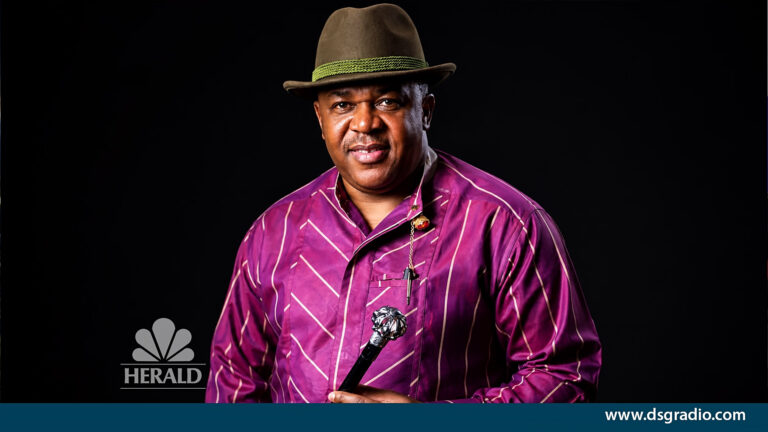
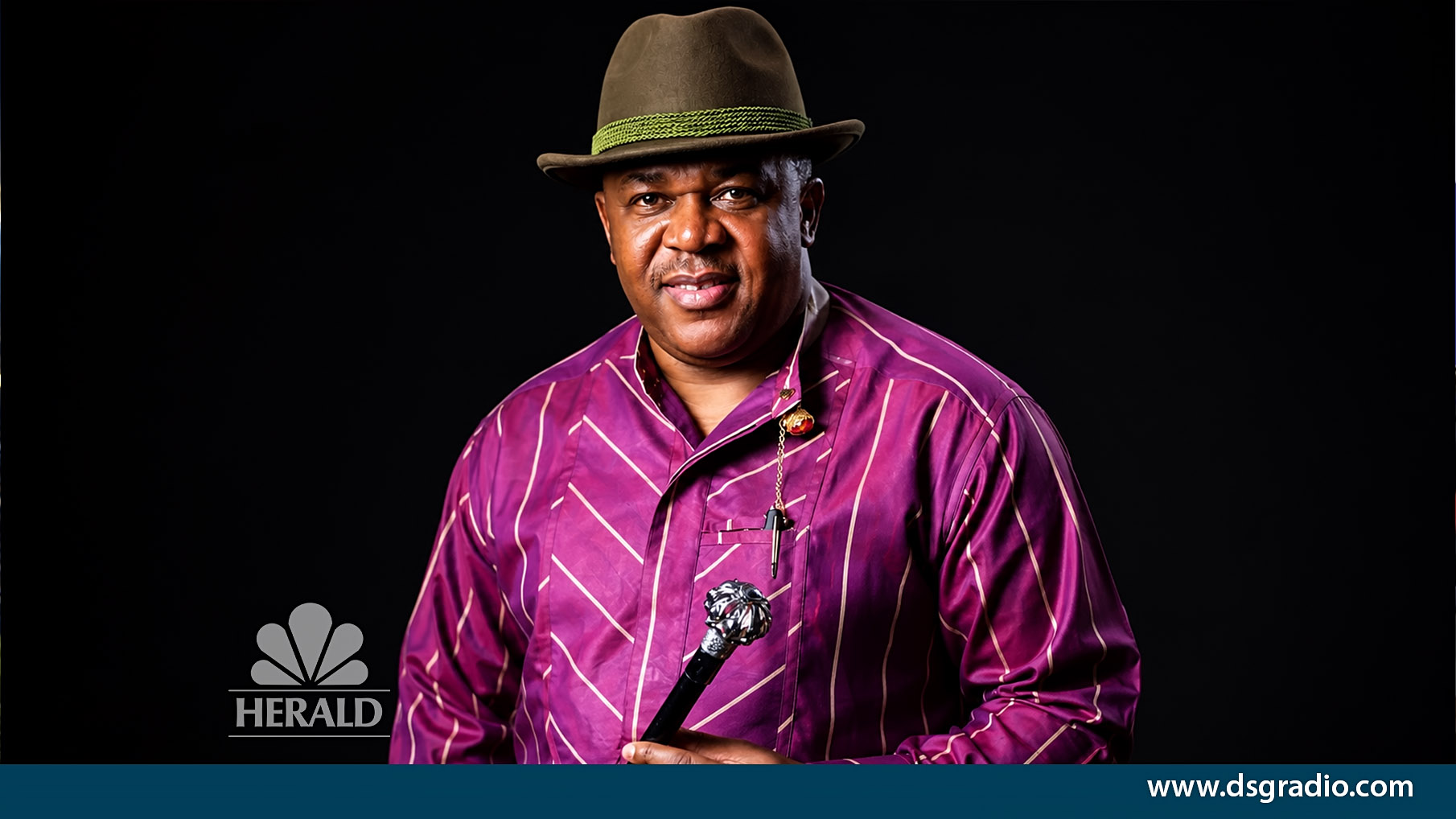
Veteran Nollywood actor Francis Duru has publicly dismissed a viral health scare that spread rapidly across social media platforms, insisting that he is healthy and has never suffered from the life-threatening condition suggested in manipulated online videos.
The controversy erupted after edited footage showing the actor appearing frail circulated online, triggering concern among fans, colleagues, and entertainment observers. However, in an official video statement posted on his Instagram page on June 19, 2026, Duru firmly denied the claims and accused those behind the content of deliberately spreading misinformation to boost online engagement.
The development has reignited concerns about the growing impact of fake celebrity news and digital misinformation, and the emotional consequences these can have on public figures and their families.
Francis Duru Health Rumour Addressed Directly by Actor
The Francis Duru health rumour gained momentum after several social media accounts shared videos and posts suggesting that the veteran actor was battling a terminal illness.
As concern mounted, many fans began sharing prayers and messages of support while others questioned the authenticity of the footage. The speculation intensified across Facebook, TikTok, Instagram, and other social platforms where the clips attracted significant engagement.
Responding directly to the claims, Duru released a video message to reassure the public.
According to the actor, the reports are entirely false.
“I have never been that sick and will never be. And by God’s grace, we keep getting stronger and stronger,” he said.
His statement quickly attracted thousands of reactions from supporters, fellow actors, and entertainment industry stakeholders.
Actor Condemns Creators of Misleading Content
Beyond denying the claims, Duru strongly criticised those responsible for creating and distributing the videos.
The Nollywood veteran described the individuals behind the content as deliberately manufacturing false narratives to generate traffic, views, and social media engagement.
He referred to them as “merchants of darkness,” accusing them of exploiting fear and public sympathy for personal gain.
His remarks reflect a growing frustration among public figures who are increasingly targeted by misinformation campaigns designed to maximise online attention.
Entertainment analysts note that celebrity death hoaxes and false illness reports have become common on social media, where sensational headlines often spread faster than verified information.
The Growing Problem of Fake Celebrity News
The Francis Duru health rumour is the latest example of how misleading content can quickly gain traction in the digital age.
Experts have repeatedly warned that manipulated videos, artificial intelligence tools, misleading thumbnails, and fabricated headlines are making it easier than ever for false stories to spread.
In many cases, celebrities are forced to respond publicly simply to reassure fans that they are alive, healthy, or not involved in incidents falsely attributed to them.
The problem is not unique to Nigeria.
Across Africa, Europe, Asia, and North America, public figures have increasingly become victims of fabricated health scares, fake arrest reports, and death hoaxes.
Digital misinformation specialists say the challenge is amplified by algorithms that reward engagement rather than accuracy, allowing emotionally charged content to reach millions before fact-checkers can intervene.
Public Reaction Across Nollywood and Social Media
Following Duru’s clarification, many fans expressed relief that the reports were false.
Several social media users praised the actor for addressing the issue quickly and directly, while others called for stronger action against individuals who knowingly create deceptive content.
Members of the Nollywood community also reacted to the development, with many emphasising the importance of verifying information before sharing it online.
For many supporters, the incident highlighted how quickly rumours can spread and how difficult it can be to correct false narratives once they gain momentum.
Media observers argue that the situation demonstrates the need for improved digital literacy among internet users, especially as manipulated content becomes increasingly sophisticated.
Personal Tragedy and Public Misinterpretation
Some supporters suggested that recent changes in Duru’s appearance may have contributed to speculation surrounding his health.
Observers pointed to the emotional impact of the actor’s personal loss following the death of his teenage son, Ifeanyi.
While no medical concerns have been confirmed, some fans believe grief and emotional stress may have influenced perceptions about the actor’s physical appearance.
However, there is no evidence linking the viral claims to any actual health condition.
Duru himself made it clear that the reports were fabricated and should not be regarded as factual.
The distinction is important because misinformation often gains credibility when it is attached to genuine personal experiences or visible changes in appearance.
Why the Francis Duru Health Rumor Matters
The Francis Duru health rumor goes beyond a single celebrity story.
It reflects broader concerns about online accountability, misinformation, and the ethical responsibilities of content creators.
In Nigeria’s rapidly expanding digital media environment, viral content can shape public opinion within hours. False reports involving public figures can damage reputations, cause emotional distress, and distract attention from legitimate issues.
Media professionals have repeatedly urged audiences to rely on verified sources and official statements rather than unverified social media posts.
The incident also serves as a reminder that online engagement metrics should not be confused with credibility.
A post receiving thousands of shares does not automatically make it true.
Digital Responsibility in the Age of Viral Content
As technology evolves, experts say the challenge of distinguishing authentic information from manipulated content will become increasingly important.
Artificial intelligence, deepfake technology, and advanced video-editing tools now enable individuals to create highly convincing false narratives with minimal technical expertise.
This reality has increased calls for stronger platform moderation, improved fact-checking systems, and greater public awareness.
The Francis Duru health rumor illustrates how quickly false information can spread and why public verification remains essential.
For public figures, rapid responses through official communication channels are becoming one of the most effective tools for countering misinformation.
What Happens Next?
With Duru’s public clarification now widely available, attention is expected to shift toward identifying the sources of the misleading content and preventing further circulation of the videos.
Whether social media platforms take action against the accounts responsible remains unclear.
For now, the actor’s message appears to have reassured many concerned supporters while drawing attention to the wider problem of fake celebrity news online.
As digital misinformation continues to evolve, incidents like this are likely to remain a challenge for celebrities, media organizations, and audiences alike.
For readers seeking verified entertainment news and celebrity updates, [INSERT DSG HERALD INTERNAL LINK] offers additional coverage and fact-based reporting.
You can also explore [INSERT DSG HERALD INTERNAL LINK] for more Nollywood news and entertainment developments.
Recommended Coverage
Alex Ekubo Burial Brings Nollywood Stars to Abia
Related coverage examining the gathering of Nollywood actors and entertainment personalities during a high-profile burial event in Abia State.
About the Author