Anambra HIV Prevention Drive Could Shape Nigeria’s Future Strategy
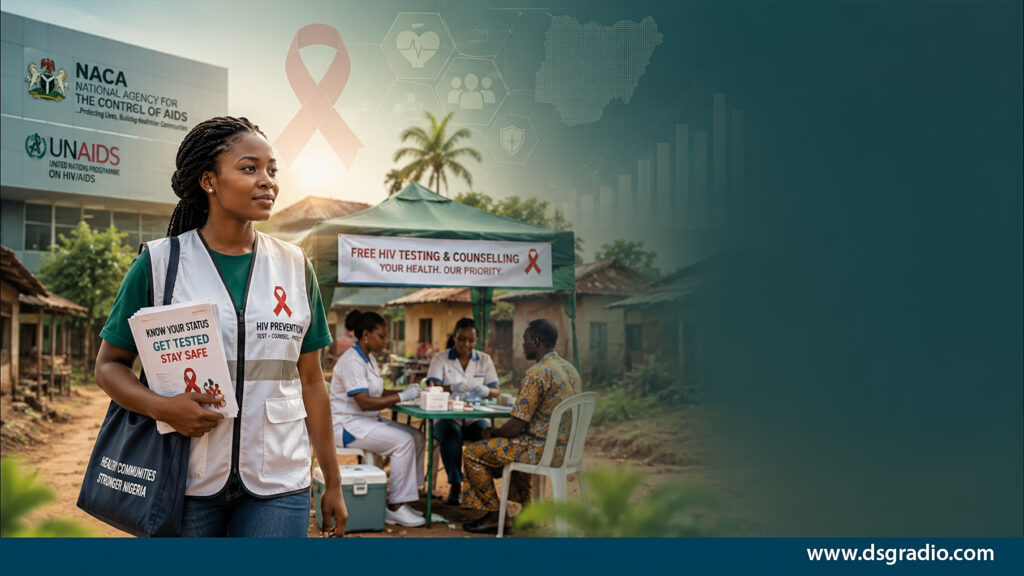
Anambra State is emerging as a potential model for Nigeria’s next phase of HIV prevention efforts after being selected for possible pilot implementation of the country’s 2026–2030 National HIV/AIDS Prevention Plan. The development follows renewed collaboration between the Anambra State AIDS Control Agency (ANSACA), the National Agency for the Control of AIDS (NACA), and international development partners working to strengthen community-based prevention strategies across Nigeria.
The move signals a broader national push to improve HIV awareness, testing and prevention services, especially among vulnerable populations and underserved communities. Health officials say Anambra’s coordinated response framework, community engagement model and readiness for innovation contributed to the state’s consideration for the pilot phase.
The initiative was disclosed by the Executive Director and Project Manager of ANSACA, Dr Nkem Okeke, following a strategic advocacy visit to the NACA Secretariat in Abuja, where he met with senior health officials and representatives of the Joint United Nations Programme on HIV/AIDS (UNAIDS).
The announcement comes at a time when Nigeria continues efforts to reduce new HIV infections and strengthen public health systems amid growing concerns over awareness gaps, funding pressures and unequal access to testing services in rural communities.
Why Anambra Was Selected
According to Dr Okeke, the Abuja meeting served both as his formal introduction as the new head of ANSACA and as a strategic engagement to align Anambra’s HIV response with national priorities.
During the visit, he was received by Dr James Anenih, Director of Community Prevention and Care Services at NACA, alongside Dr Sam Anya of UNAIDS.
Officials involved in the discussions reportedly described Anambra’s approach as proactive and aligned with Nigeria’s evolving HIV prevention priorities.
Speaking on the state’s readiness, Okeke said Anambra intends to expand HIV awareness campaigns, testing services and prevention interventions to communities across all local government areas.
He also highlighted the importance of data-driven decision-making and stronger community ownership in reducing new infections.
The state’s proposed framework focuses on:
- Expanding HIV testing access at the grassroots level
- Increasing awareness campaigns among youths and vulnerable groups
- Strengthening partnerships with development agencies
- Enhancing data collection for targeted interventions
- Improving local participation in prevention programmes
Health analysts say pilot states are often selected based on administrative coordination, institutional capacity and willingness to adopt innovative prevention models.
What The 2026–2030 National HIV Plan Means
Nigeria’s upcoming 2026–2030 National HIV/AIDS Prevention Plan is expected to guide the country’s HIV response over the next several years, with emphasis on prevention, early testing, treatment access and epidemic control.
Although full details of the plan were not publicly outlined during the meeting, officials indicated that prevention remains central to the strategy.
Dr Anenih reportedly told the delegation that Anambra was under consideration for a pilot implementation due to its “strategic readiness and innovation-driven response framework.”
The pilot programme could allow federal authorities to test new prevention models in the state before wider national implementation.
Public health experts note that Nigeria’s HIV prevention efforts have increasingly shifted toward community-led awareness campaigns, behavioural interventions and targeted outreach programmes for vulnerable populations.
The strategy also aligns with ongoing efforts by federal authorities to strengthen healthcare systems and improve domestic capacity in the fight against infectious diseases. Earlier reports showed Nigeria was moving toward local production of HIV medications as part of broader healthcare reforms. Read DSG HERALD’s report on Nigeria’s plan for local HIV drug production.
Grassroots Testing Expansion And Community Outreach
One of the key priorities outlined during the engagement is expanding testing and prevention services to grassroots communities.
Health officials have repeatedly warned that awareness gaps and limited testing access continue to affect HIV prevention outcomes, especially in rural areas and among young people.
By focusing on local government areas and community participation, authorities hope to improve early detection and reduce transmission rates.
Okeke stressed that community ownership would be critical to achieving sustainable progress.
Experts say community-based HIV programmes often achieve better results because they involve local leaders, civil society groups, and healthcare workers who understand the cultural and social barriers to testing and treatment uptake.
In many parts of Nigeria, stigma surrounding HIV/AIDS still discourages some people from seeking testing or treatment services.
Campaigns linked to the proposed strategy are therefore expected to include:
- Public awareness drives
- Youth-focused education programmes
- Voluntary counselling and testing initiatives
- Partnerships with religious and community organisations
- Improved outreach in underserved areas
The emphasis on prevention reflects growing global recognition that awareness and early intervention remain essential in controlling HIV infections.
Role Of UNAIDS And NACA In The Partnership
The renewed collaboration between ANSACA, NACA and UNAIDS is expected to strengthen technical support and policy coordination.
According to officials, the discussions also focused on aligning federal and state responses under the “One Strategy” framework aimed at ensuring efficiency and measurable impact.
Dr Sam Anya of UNAIDS reportedly emphasised the importance of a multisectoral approach involving government agencies, development partners and civil society organisations.
Such partnerships have become increasingly important as countries face financial pressures affecting healthcare programmes worldwide.
International agencies have repeatedly called for stronger domestic commitment to public health funding and disease prevention initiatives.
The World Health Organisation has also warned about broader health system risks linked to funding gaps and service disruptions. DSG HERALD previously reported on the WHO’s concerns regarding infectious disease control in Nigeria in its article on possible setbacks in tuberculosis progress.
Meanwhile, public health advocates say integrating HIV prevention into wider healthcare planning could improve long-term outcomes and reduce duplication of services.
HIV Prevention Challenges In Nigeria
Nigeria remains one of the countries with a significant HIV burden in sub-Saharan Africa, although infection rates have declined over the years due to expanded awareness campaigns and treatment access.
Despite progress, challenges remain.
Experts identify several persistent issues:
- Limited healthcare access in remote communities
- Funding constraints for prevention programmes
- Stigma and misinformation
- Low testing rates among some populations
- Weak data systems in certain regions
Youth awareness is also a major concern.
Health organisations say many young Nigerians still lack adequate sexual health education and access to preventive services.
Analysts believe pilot programmes like the proposed Anambra initiative could provide practical lessons for improving prevention models nationwide.
Global agencies, including UNAIDS, continue to encourage countries to prioritise prevention-focused policies as part of efforts to end AIDS as a public health threat.
According to a report by Independent Nigeria, discussions between Anambra officials and federal health agencies centred on improving coordination and strengthening long-term HIV prevention efforts.
Public Health Implications For Nigeria
Public health experts say Anambra’s possible role as a pilot state could influence how Nigeria structures future prevention programmes.
If successful, the model may be replicated in other states to strengthen community outreach, improve testing access and enhance collaboration between federal and state agencies.
The initiative could also contribute to broader efforts aimed at reducing discrimination against people living with HIV/AIDS and encouraging inclusive healthcare access. DSG HERALD earlier highlighted related advocacy campaigns during the Global Observance of Zero Discrimination Day.
While details of implementation timelines remain unclear, officials involved in the discussions say collaboration among institutions and development partners will remain essential.
The proposed pilot programme underscores Nigeria’s ongoing efforts to strengthen prevention-based healthcare strategies, as global health systems face mounting economic and operational pressures.
For Anambra, the development could position the state at the centre of one of Nigeria’s most important public health initiatives in the coming years.
Recommended Coverage:
- Anambra Youth Protest Sparks Security Probe — The report examines public reactions and governance concerns in Anambra State, where authorities continue to expand institutional response systems.
- Mene Ogidi Case Raises Accountability Questions — The story explores broader institutional accountability debates in Nigeria, relevant to ongoing governance and public trust discussions.
- FG Pursues Treason Charges Against Sylva, Others — This report highlights federal-level policy and legal developments shaping Nigeria’s governance landscape.
- Tinubu Seeks Senate Approval For $516m Loan — The article examines national funding priorities and economic decisions that may affect healthcare and development programmes.
About the Author