Tinubu $516m Loan Seeks Senate Approval for Strategic Highway Project
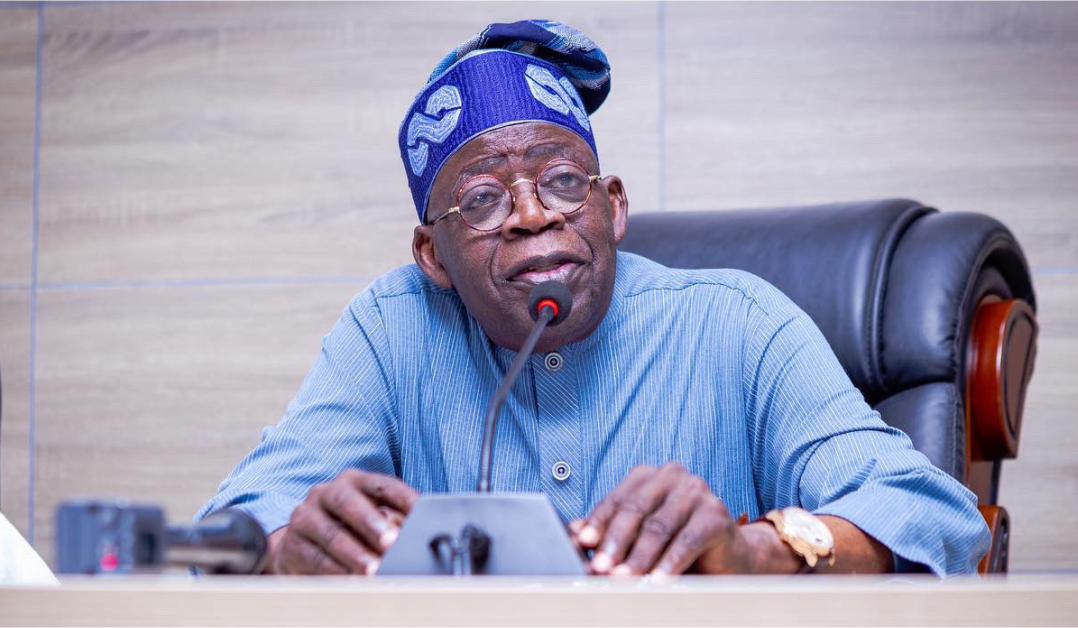
ABUJA, April 23 — Nigerian President Bola Tinubu has formally requested Senate approval for a $516 million foreign loan, aimed at financing the initial phase of a major national highway project linking the country’s northwest to its southwest.
The request, contained in a letter addressed to Senate President Godswill Akpabio and read during plenary on Thursday, marks a significant step in the federal government’s infrastructure financing strategy under its medium-term borrowing plan.
The proposed loan—part of the broader Tinubu borrowing plan—is expected to support the development of the Sokoto–Badagry Super Highway, a project designed to enhance national connectivity, improve logistics, and stimulate economic growth.
Loan Details and Structure
According to the letter presented to lawmakers, the government is seeking approval for a syndicated financing facility from Deutsche Bank.
Key terms of the loan include:
- Amount: $516,333,070
- Tenor: 9 years
- Grace period: Up to 3 years
- Purpose: Financing early phases of the Sokoto–Badagry highway
President Tinubu emphasised that the facility is already embedded within a previously approved borrowing framework approved by the National Assembly.
The Senate has since referred the request to its Committee on Local and Foreign Debts for further legislative review, with a directive to report back within one week.
Sokoto–Badagry Highway: Strategic Importance
The proposed Nigeria highway loan will fund a critical segment of a roughly 1,000-kilometre transport corridor stretching across multiple regions.
Key route highlights:
- Starting point: Sokoto State (Northwest Nigeria)
- Transit states: Niger and Kwara
- End point: Badagry, Lagos (Southwest Nigeria)
The highway is expected to serve as a major economic artery linking agricultural zones in the north with commercial hubs in the south.
President Tinubu stated that the project would:
- Strengthen north–south economic integration
- Reduce travel time and logistics costs
- Boost trade and food security
- Enhance national unity and cohesion
Legislative Process and Senate Action
The Senate loan approval process in Nigeria has begun, with lawmakers initiating formal review procedures.
Senate President Godswill Akpabio, after reading the president’s letter during plenary, referred the request to the appropriate committee.
Next steps:
- Committee review of loan terms
- Assessment of fiscal implications
- Submission of the report within one week
- Final Senate decision
President Tinubu also requested expedited consideration, underscoring the urgency of infrastructure development.
Nigeria’s Borrowing Strategy
The Tinubu $516m loan request comes amid the federal government’s ongoing efforts to finance large-scale infrastructure through external borrowing.
Nigeria has increasingly relied on syndicated loans and multilateral financing to support development projects.
Notably:
- In 2025, Nigeria secured a $747 million syndicated loan, led by Deutsche Bank, for a coastal highway project.
- The current request aligns with the government’s broader borrowing roadmap.
For deeper insight into Nigeria’s rising debt profile, see DSG Herald’s report on Nigeria’s debt surge after recent loan approvals: Nigeria’s Debt Hits N155trn After Approval of $6bn Loan
Additionally, the government has expanded its borrowing outlook, as detailed: FG Raises 2026 Borrowing Plan to N29.2tn as Nigeria’s Debt Concerns Deepen
Global Financing and Deutsche Bank’s Role
The involvement of Deutsche Bank highlights continued international financial participation in Nigeria’s infrastructure development.
Syndicated loans—where multiple lenders participate are commonly used for large-scale projects due to:
- Risk distribution among lenders
- Access to larger capital pools
- Structured repayment flexibility
According to report, the loan is part of Nigeria’s broader infrastructure financing efforts and aligns with previously approved borrowing plans.
Economic Implications and National Impact
If approved, the Tinubu $516m loan is expected to have wide-reaching economic effects.
Potential benefits:
- Improved transport efficiency
- Lower haulage and logistics costs
- Increased interstate trade flows
- Strengthened food supply chains
Infrastructure experts often link such projects to long-term economic growth, particularly in developing economies with large geographic spans like Nigeria.
However, the long-term fiscal impact will depend on:
- Loan repayment management
- Project execution efficiency
- Revenue generation from infrastructure use
Details on projected returns or cost-recovery mechanisms were not specified in the original report.
Balancing Infrastructure Needs and Debt Concerns
While infrastructure investment remains a priority, Nigeria’s growing debt profile continues to attract scrutiny.
Recent developments include:
- Increased borrowing ceilings
- Expansion of external debt instruments
- Continued reliance on international lenders
For additional context on international financing support, see: World Bank Approves $1.08 Billion Loan for Nigeria’s Growth
Analysts often stress the importance of ensuring that borrowed funds are directed toward productive, revenue-generating projects.
What Happens Next?
The fate of the Tinubu $516m loan now rests with the Senate.
Key factors that may influence approval include:
- Fiscal sustainability assessments
- Alignment with national development goals
- Transparency in loan utilization
If approved, construction on the highway’s initial sections could proceed under the government’s infrastructure expansion agenda.
🔗 Related Articles
You may also want to read:
- Tinubu Expands Police Academy Capacity
Explores how recent federal approvals are strengthening national security infrastructure and training systems. - Nigeria Student Loan Fund Disburses ₦22bn
Highlights government-backed financing initiatives to expand access to education. - Tinubu Begins ₦3.3 Trillion Power Debt Repayment
Examines ongoing efforts to address legacy debt in Nigeria’s power sector and stabilise energy supply.
About the Author