Pope Leo Spain Visit Could Reshape Europe’s Migration and Abuse Accountability Debate
Why Pope Leo XIV’s Spain Tour Matters Beyond Religion
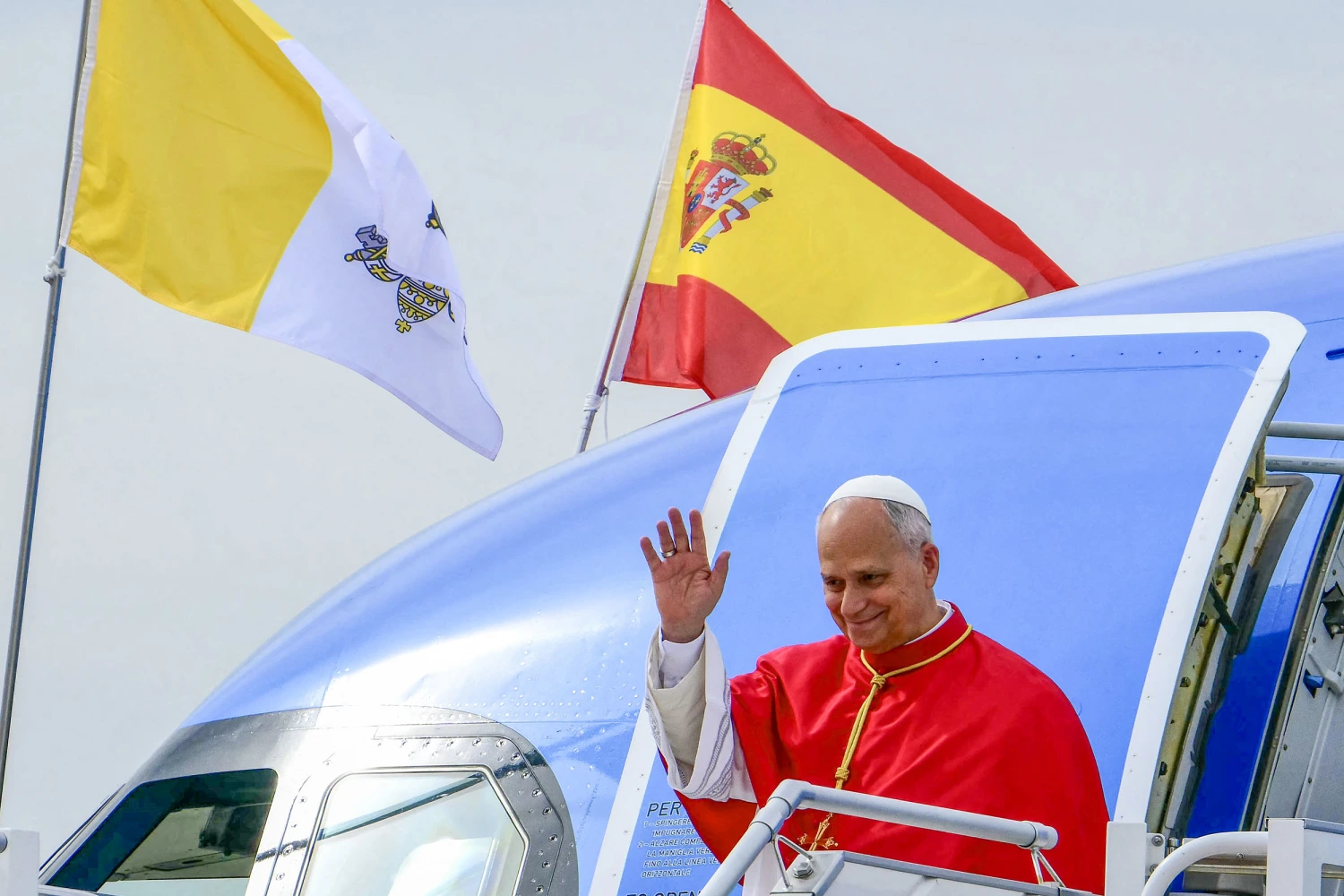
The Pope Leo Spain Visit began on Saturday with a message that extends far beyond the Catholic Church. Arriving in Madrid for a seven-day state visit, Pope Leo XIV placed two of Europe’s most sensitive issues at the centre of his agenda: migration and accountability for sexual abuse within the Church. His decision to honour migrants who died attempting to reach Europe and meet victims of clergy abuse comes at a time when Spain is grappling with political polarisation, changing religious attitudes, and growing debate over immigration. More than a ceremonial visit, the trip has become a test of whether moral leadership can influence public discourse on some of the continent’s most complex challenges.
The Visit Comes at a Defining Moment for Spain
Spain is welcoming a pope for the first time since 2010, making the visit historically significant even before considering its political and social implications.
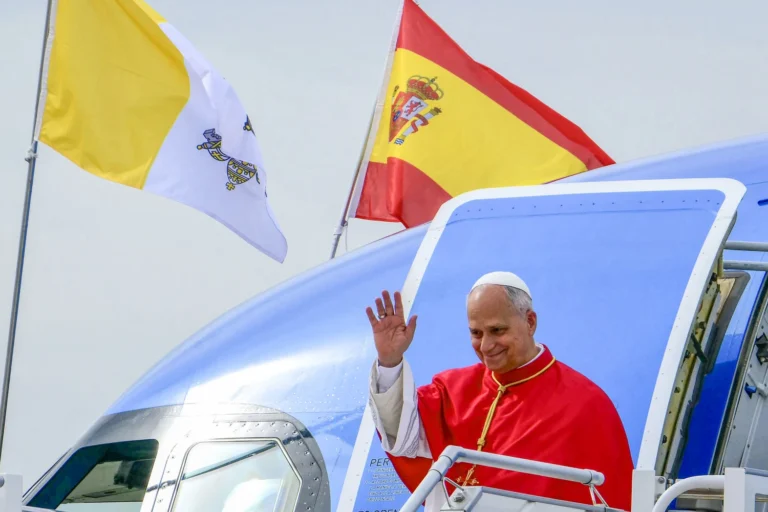
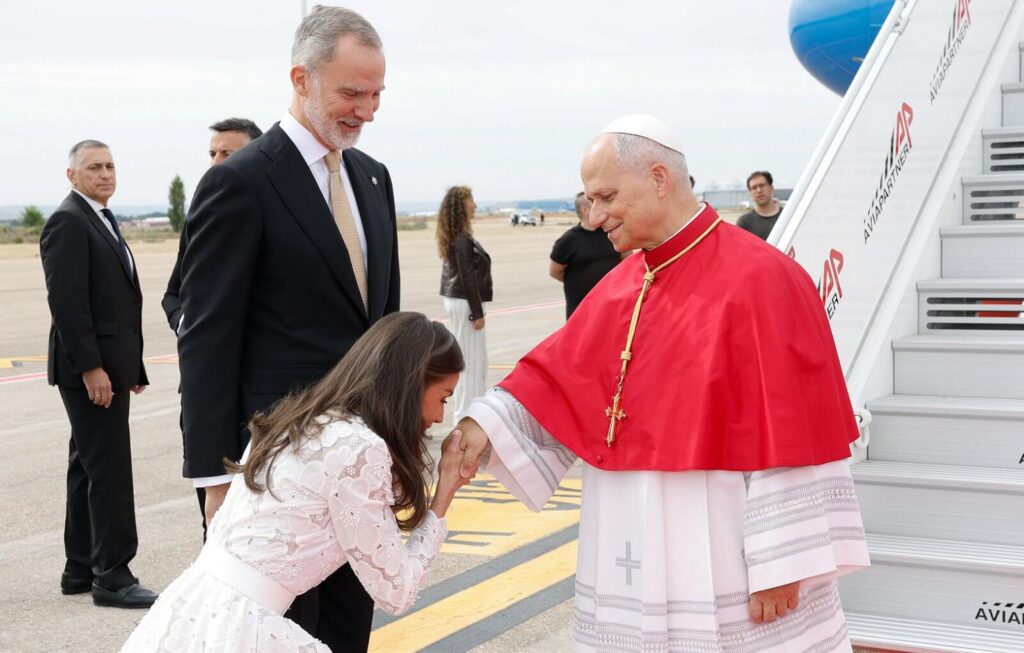
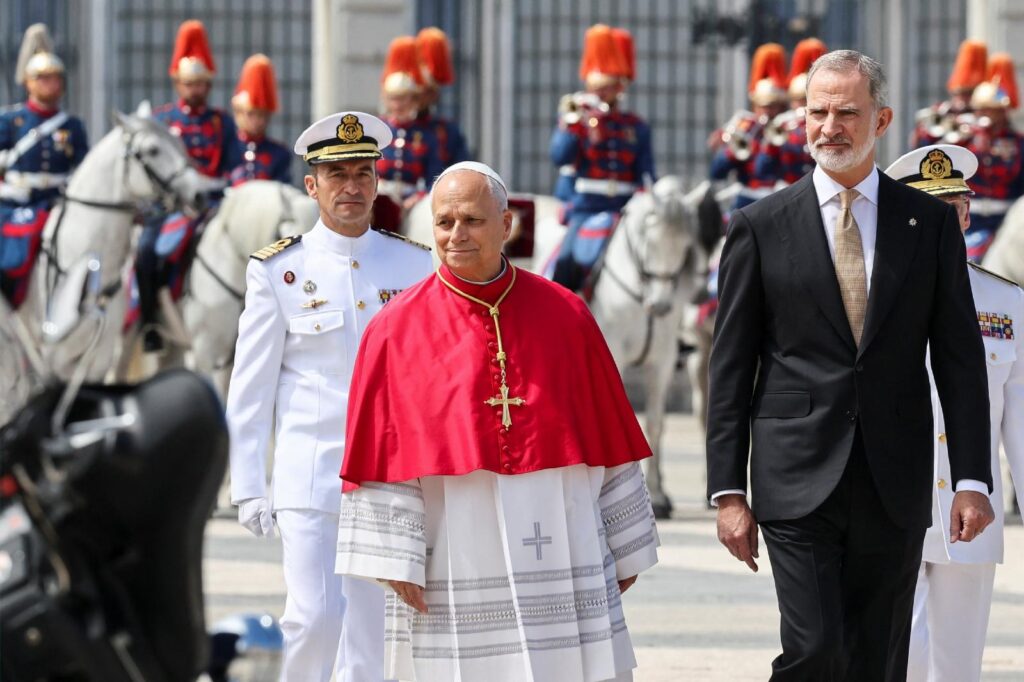
Pope Leo XIV was welcomed at Madrid airport by King Felipe VI, Queen Letizia, and Prime Minister Pedro Sanchez, underscoring the importance Spanish authorities attach to the trip.
However, the timing is particularly notable.
Spain finds itself at the intersection of several major debates shaping Europe today:
- Immigration and border management
- Accountability for historical abuse scandals
- Declining religious participation
- Political polarization
- Youth identity and social values
Rather than focusing exclusively on traditional religious ceremonies, Pope Leo has chosen to engage directly with these issues.
That choice may ultimately define the legacy of the visit.
Pope Leo Spain Visit and the Migration Challenge
Among the most closely watched moments of the trip will be Pope Leo’s planned visit to the Canary Islands.
The islands have become one of Europe’s most significant migration gateways.
Located off the coast of West Africa, the Canaries have witnessed thousands of migrants arriving after dangerous journeys across the Atlantic.
Many never make it.
According to figures cited in the original report, the International Organization for Migration estimates that more than 1,100 migrants died or disappeared on the route in 2025.
By traveling to the islands and honoring those who lost their lives, Pope Leo is elevating migration from a political issue to a humanitarian concern.
This distinction matters.
Across Europe, migration debates often focus on border security, asylum systems, and political consequences.
The Pope’s approach emphasizes human dignity, loss, and moral responsibility.
It reflects a broader tradition within Catholic social teaching that prioritizes protection of vulnerable populations while encouraging governments to pursue humane solutions.
Why the Canary Islands Matter
For many outside Europe, the Canary Islands may appear to be a distant territorial concern.
In reality, they have become symbolic of wider migration pressures facing Europe.
Conflicts, economic hardship, climate pressures, and instability across parts of Africa continue to encourage migration toward Europe.
The Atlantic route has become increasingly prominent as other pathways face tighter restrictions.
The significance extends beyond Spain.
Countries across the European Union continue to debate:
- Border control policies
- Refugee resettlement programs
- Human rights obligations
- Burden-sharing arrangements
- Long-term integration strategies
By placing the Canary Islands on the itinerary, Pope Leo is effectively inserting the Vatican into one of Europe’s most contentious policy discussions.
The African Perspective on Migration
The migration aspect of the Pope Leo Spain Visit carries particular relevance for Africa.
Many migrants arriving through the Canary Islands originate from African countries or travel through African transit routes before attempting the crossing.
For African observers, migration is rarely viewed solely through a European lens.
It is also connected to:
- Youth unemployment
- Economic opportunity gaps
- Governance challenges
- Climate-related displacement
- Regional insecurity
These factors continue to influence migration decisions across various regions.
The Pope’s engagement with migrants may therefore resonate well beyond Europe, particularly among African communities that view migration as both a humanitarian and development issue.
For Nigeria, one of Africa’s largest nations and a country with significant migration flows, the discussion highlights ongoing conversations about youth opportunities, economic growth, and international mobility.
Confronting an “Open Wound”
Migration is only one side of the story.
The second major pillar of the Pope Leo Spain Visit concerns accountability for sexual abuse within the Catholic Church.
Before arriving in Spain, Pope Leo described abuse within the Church as an “open wound.”
The phrase is significant because it acknowledges that the issue remains unresolved despite years of investigations, reforms, and public scrutiny.
Spain has faced particularly difficult questions in this area.
A report by Spain’s national ombudsman estimated in 2023 that approximately 200,000 minors may have suffered abuse since 1940.
The scale of the estimate shocked many observers and intensified demands for accountability.
In March, Spain’s government and the Catholic Church reached an agreement aimed at compensating victims.
That development represented an important institutional step.
Yet compensation alone cannot restore trust.
The broader challenge remains rebuilding confidence among survivors, families, and the public.
Why Accountability Matters for the Church
The Catholic Church remains one of the world’s most influential institutions.
Its moral authority extends far beyond the countries where Catholicism is dominant.
When abuse scandals emerge, the impact is therefore global.
The consequences include:
- Loss of public trust
- Reduced participation in religious life
- Increased legal scrutiny
- Institutional reforms
- Financial liabilities
For many observers, Pope Leo’s willingness to meet victims during such an important visit signals recognition that accountability must remain a central priority.
The meeting is expected to carry symbolic importance.
Symbols matter in public life.
They communicate priorities.
They indicate what leaders are prepared to confront.
And they often shape perceptions of sincerity and commitment.
A Church Seeking to Rebuild Trust
One of the defining challenges facing modern Catholic leadership is rebuilding trust after decades of abuse revelations.
Pope Francis spent much of his papacy addressing these concerns through investigations, reforms, and public acknowledgments of institutional failures.
Pope Leo now faces the task of continuing that effort.
His Spain visit offers an opportunity to demonstrate continuity while also establishing his own leadership approach.
Observers will be watching closely to see whether his actions reinforce perceptions of transparency and accountability.
The outcome may influence public confidence not only in Spain but across other countries confronting similar histories.
Youth, Meaning, and the Future of Faith
Another striking aspect of the Pope Leo Spain Visit is its emphasis on young people.
Pope Leo expressed optimism about reports suggesting growing interest among youth in spirituality and religious engagement.
His comments reflect a broader challenge facing many Western societies.
Religious participation has declined significantly in recent decades.
At the same time, surveys in several countries suggest that many young people continue to search for purpose, identity, and community.
This apparent contradiction has generated considerable debate among religious leaders, sociologists, and policymakers.
Some argue that institutional religion has weakened.
Others suggest spiritual curiosity remains strong even as traditional participation declines.
The Pope appears to be positioning the Church as a response to what he described as a lack of meaning experienced by some young people.
That message may resonate differently across generations, cultures, and countries.
Spain’s Political Landscape Adds Complexity
The visit is also unfolding against a backdrop of political tension.
Prime Minister Pedro Sanchez faces criticism over multiple controversies involving members of his political circle.
At the same time, immigration continues to divide political opinion.
Spain’s relatively liberal migration approach differs from the policies favored by some conservative and nationalist movements elsewhere in Europe.
This creates a delicate environment for a papal visit focused on migration and social solidarity.
Church representatives have acknowledged that Spain is politically polarized.
In such an environment, even humanitarian messages can become entangled in broader political debates.
Ensuring that the Pope’s message transcends partisan divisions may prove one of the visit’s most difficult challenges.
Recommended Coverage
Why Pope Leo’s Africa Tour Matters for Faith, Politics and Global Influence
An examination of how Pope Leo’s international engagement is shaping conversations beyond Europe and influencing global religious diplomacy.
Rev. Fr. Emmanuel Edeh: 50 Years of Faith and Impact
A look at the legacy, leadership, and social contributions of one of Nigeria’s influential Catholic figures.
Pope Francis’ 12-Year Papacy: Achievements and Challenges
Understanding the foundations Pope Leo inherited from his predecessor and the challenges that remain.
Darfur Sexual Violence Crisis Escalates, MSF Warns
A related humanitarian story highlighting accountability, human rights, and protection of vulnerable communities.
Conclusion
The Pope Leo Spain Visit is emerging as one of the most consequential early international engagements of Pope Leo XIV’s papacy.
Rather than focusing solely on religious ceremony, the trip places migration, abuse accountability, youth identity, and political division under a global spotlight.
Its significance lies not only in the events themselves but in the questions they raise.
Can Europe find a more humane approach to migration?
Can the Catholic Church continue rebuilding trust after decades of abuse scandals?
Can religious institutions remain relevant to younger generations searching for meaning?
The answers will not emerge during a single visit.
Yet by placing these issues at the center of his agenda, Pope Leo has ensured that the conversation will continue long after he leaves Spain.
That may ultimately become the most enduring legacy of the Pope Leo Spain Visit.
About the Author