Growing Insecurity Forces Education System Into Crisis
For many families in Oyo State, schools have traditionally represented safety, opportunity, and hope for a better future. Today, however, those institutions are increasingly becoming symbols of a broader security challenge confronting parts of Nigeria’s education sector.
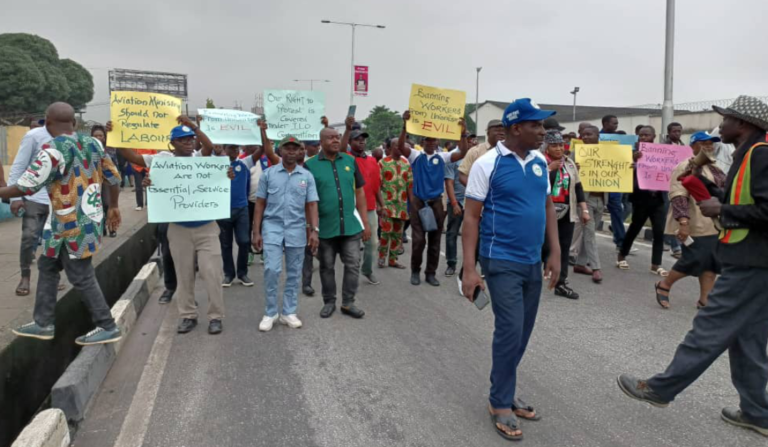
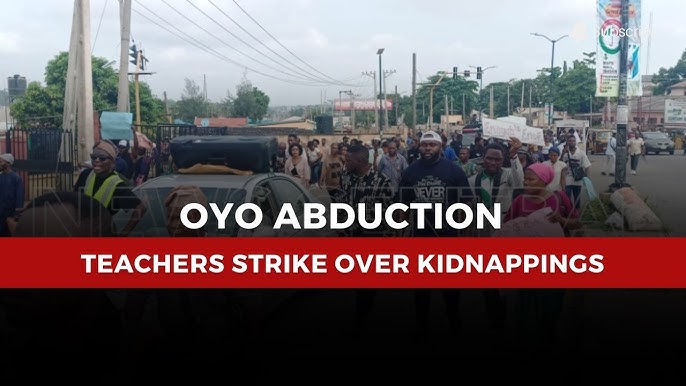
That concern reached a new level on Monday, June 1, 2026, when the Nigeria Union of Teachers (NUT) directed all public primary and secondary school teachers in Oyo State to begin an indefinite strike over the continued abduction of teachers and pupils whose whereabouts remain unknown. The decision has placed Oyo School Security at the centre of a growing national conversation about the safety of learners, educators, and school communities.
The industrial action goes beyond a traditional labour dispute. It reflects mounting fears among educators who say the threat of kidnapping and insecurity is increasingly affecting classroom activities, teacher morale, and public confidence in the education system.
According to a statement issued by the NUT Oyo State Wing leadership and signed by Chairman Hassan Fatai and Secretary Salami Olukayode, the strike is intended to compel authorities to intensify efforts toward securing the immediate and unconditional release of the abducted victims.
The union described the prolonged captivity as a source of fear and anxiety among teachers and parents, warning that continued insecurity could have long-term consequences for education across the state.

Why Oyo Teachers Decided to Strike
The immediate trigger for the strike is the unresolved abduction of teachers and pupils in Oyo State.
According to the union, the inability to secure the release of the victims has heightened concerns among educators who fear they could become future targets while carrying out their duties. The NUT argued that continuing normal academic activities while colleagues and students remain in captivity would send the wrong message about the seriousness of the situation.
Union leaders stated that the strike serves as a call for urgent intervention rather than merely a protest.
They also directed teachers throughout the state to comply fully with the industrial action while remaining law-abiding and prioritising their personal safety.
Education stakeholders note that teacher strikes directly linked to security concerns often carry deeper implications than disputes over salaries or welfare, as they signal fears about personal survival.
In this case, the strike highlights concerns that insecurity is beginning to undermine schools’ basic ability to function effectively.
How School Abductions Affect Learning
The latest development illustrates how security incidents can create ripple effects throughout the education sector.
When schools become associated with kidnapping threats, the impact extends beyond the immediate victims.
Students may struggle with anxiety and fear.
Teachers may become reluctant to accept postings in vulnerable areas.
Parents may choose to keep children at home.
School attendance can decline significantly.
Academic schedules may be disrupted.
Examinations may face delays.
Educational experts have repeatedly warned that interruptions in learning can produce long-term consequences, particularly for younger pupils who require consistent classroom engagement.
In Oyo State, the union says the abductions have already discouraged some parents from sending children to school and increased tension within affected communities.
The challenge is particularly significant because Nigeria is already working to improve educational outcomes, increase enrollment, and reduce learning gaps.
Security disruptions threaten those efforts.
Oyo School Security Challenges Reflect a National Concern
The issues raised by the Oyo strike are not occurring in isolation.
Over the past several years, attacks on schools and educational institutions have raised concern across Nigeria.
Incidents involving kidnappings have often drawn national attention because schools are expected to serve as protected environments for children and educators.
The emergence of what many observers describe as a broader School Kidnapping Crisis has prompted repeated calls for stronger school protection measures, improved intelligence gathering, and enhanced collaboration between security agencies and local communities.
While the security situation varies across states, the concerns raised by Oyo teachers mirror anxieties expressed by educators elsewhere in the country.
Many stakeholders argue that improving education outcomes cannot be separated from ensuring physical safety.
Without security, they say, access to education remains vulnerable.
Growing Concerns Over Teacher Safety
The strike has also brought renewed focus to Teacher Safety Nigeria concerns.
Teachers occupy a critical position within society.
They are responsible for educating future generations, supporting community development, and helping young people build skills necessary for economic growth.
Yet many educators increasingly face security risks while carrying out these responsibilities.
Teacher unions across the country have repeatedly emphasised that professional commitment alone cannot compensate for inadequate safety conditions.
In many cases, security concerns influence where teachers are willing to work and whether they remain in the profession.
The Oyo strike underscores how insecurity can become both an education challenge and a workforce challenge.
If teachers perceive schools as unsafe, recruitment and retention may become more difficult.
Such outcomes could ultimately affect educational quality and access.
What Parents Are Saying
Although individual parent reactions vary, the concerns highlighted by the union reflect broader anxieties within many communities.
Parents generally want assurance that children can attend school without facing extraordinary security risks.
When reports of abductions emerge, confidence in the education system can weaken.
Some families may choose alternative schooling arrangements where possible.
Others may keep children at home until security conditions improve.
For lower-income households with fewer educational alternatives, prolonged disruptions can create additional burdens.
The situation, therefore, affects not only schools but also families attempting to balance educational needs with safety concerns.
Government Efforts to Rescue Victims
Authorities face growing pressure to secure the release of the abducted teachers and pupils.
The NUT has stated that it will continue engaging with relevant authorities until the victims are safely rescued. The union also reiterated its solidarity with affected families and reaffirmed its commitment to the welfare and protection of teachers and learners.
As of the time of reporting, details regarding ongoing rescue efforts remain limited.
Security operations are often handled discreetly to avoid compromising investigations or negotiations.
Officials have not publicly provided comprehensive updates on the status of the abducted individuals.
The outcome of these efforts will likely influence how quickly confidence can be restored within affected school communities.
Economic and Social Implications
Education disruptions often carry economic consequences that extend beyond the classroom.
Parents may be forced to adjust work schedules.
Students may lose valuable instructional time.
Communities may experience increased uncertainty.
Long-term interruptions can affect workforce development, human capital growth, and broader economic productivity.
For Nigeria, where education remains central to national development goals, prolonged insecurity within schools presents a significant policy challenge.
Experts frequently emphasise that investments in infrastructure, teacher training, and curriculum development must be accompanied by investments in school safety.
Without secure learning environments, educational progress can become difficult to sustain.
What This Means for Education in Nigeria
The Oyo strike highlights a critical reality facing education policymakers.
Improving educational access is only one part of the challenge.
Protecting students and teachers is equally important.
The situation raises broader questions about how states can strengthen school security, respond rapidly to threats, and reassure communities that educational institutions remain safe places for learning.
It also reinforces the importance of collaboration among government agencies, school administrators, community leaders, parents, and security stakeholders.
Many education advocates argue that preventing future disruptions will require a comprehensive approach that addresses both immediate security threats and the underlying vulnerabilities that place schools at risk.
The developments in Oyo State may therefore serve as another important test of Nigeria’s ability to balance educational expansion with the need for stronger security protections.
Looking Ahead
For now, classrooms across Oyo State face uncertainty as teachers remain on indefinite strike pending progress in securing the release of their abducted colleagues and pupils.
The union’s action has transformed a local security incident into a broader debate about the future of education safety in Nigeria.
Whether the strike is resolved quickly or extends for a prolonged period, the message from educators is clear: school security is no longer a peripheral issue but a fundamental requirement for effective teaching and learning.
As reported by Vanguard, the union insists it will continue pushing for decisive action until the victims are safely returned and confidence begins to return to affected communities.
Recommended Coverage
Sokoto-Badagry Highway Loan Reshapes National Connectivity
A closer look at how major infrastructure financing could transform trade routes, logistics networks, and regional economic integration across Nigeria.
Maharaj Ji’s Support for Tinubu’s 2027 Bid Sparks Debate
Examining the political implications and public reactions surrounding early endorsements ahead of the next presidential election cycle.
Two Chinese Nationals Arrested Over Illegal Mining Activities
How Nigeria’s crackdown on illegal mining is influencing security, environmental protection, and resource governance.
Kwara Monarch Abduction Raises Fresh Security Questions
A related security story highlighting growing concerns over kidnappings and community safety across different regions of Nigeria.
About the Author