Police Accountability Nigeria: IGP Calls for Responsible Recording of Police Operations
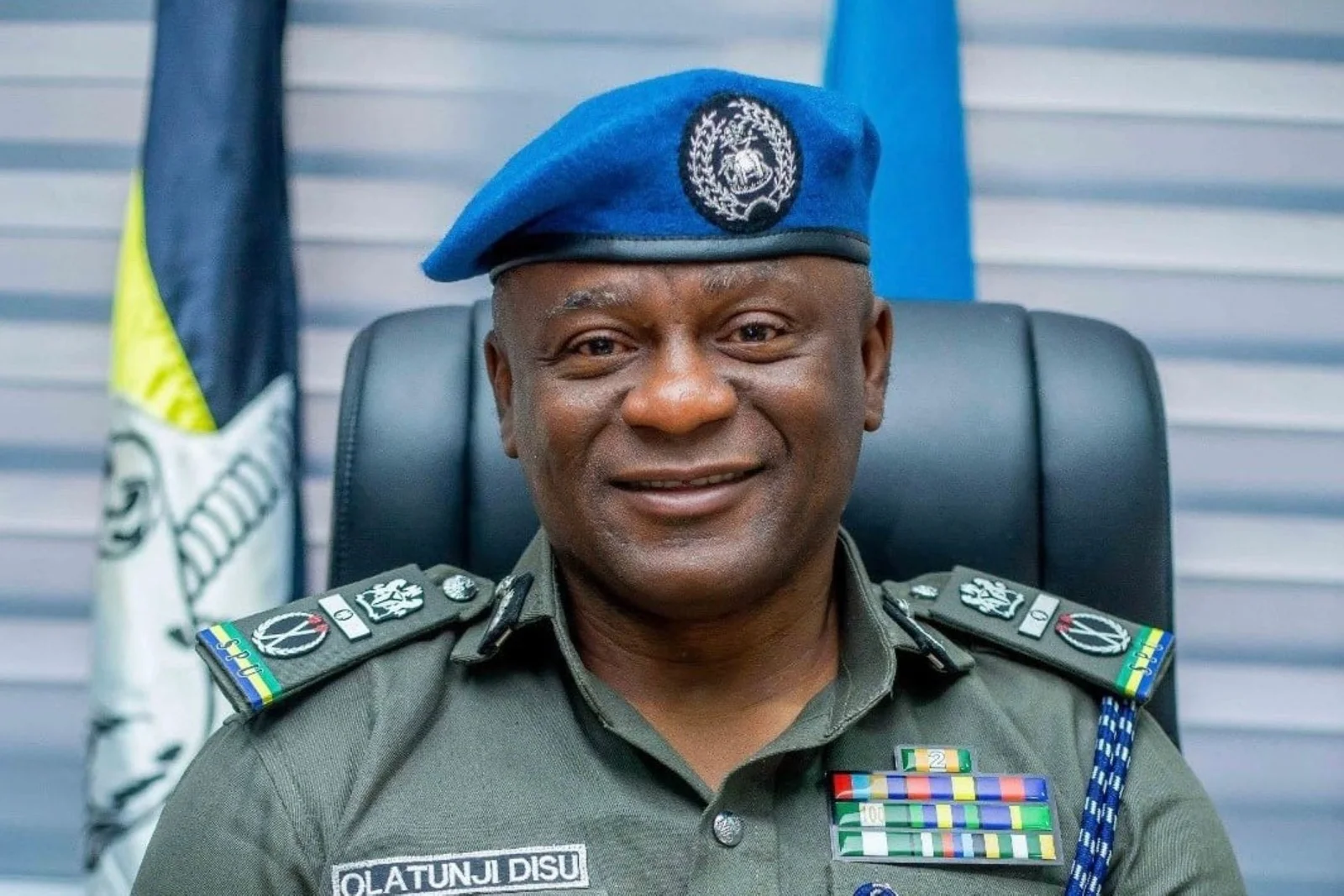
ABUJA, Nigeria — The debate over Police Accountability Nigeria has taken a new turn after Inspector-General of Police (IGP) Olatunji Disu cautioned Nigerians, content creators, and social media users against the indiscriminate recording and circulation of police-related videos, warning that such actions could undermine security operations, spread misinformation, and negatively affect officer morale. The remarks were made during an interactive session with members of the Crime Correspondents Association of Nigeria (CCAN) in Abuja on Sunday.
The warning comes at a time when smartphones and social media platforms have transformed ordinary citizens into real-time observers of public institutions. Across Nigeria, videos of police checkpoints, arrests, roadblocks, and security operations frequently appear online, often attracting widespread attention and public debate.
While such recordings have sometimes exposed misconduct and strengthened calls for accountability, police authorities argue that indiscriminate filming can also complicate sensitive operations and distort public understanding when videos lack proper context.
The latest comments from the IGP highlight a growing challenge facing modern law enforcement agencies worldwide: balancing transparency and public oversight with operational effectiveness and national security.
Why Police Videos Have Become Common in Nigeria
Over the past decade, citizen journalism has become a significant force in Nigeria’s media landscape.
The widespread availability of smartphones, affordable internet access, and social media platforms such as X, Facebook, Instagram, TikTok, and YouTube has enabled citizens to document events as they happen.
Security incidents are among the most frequently recorded events.
From traffic stops and police checkpoints to crowd-control operations and arrests, videos captured by members of the public often spread rapidly online.
In several instances, such recordings have contributed to public discussions about police conduct and institutional reform. They have also provided visual evidence in incidents that generated widespread public interest.
The trend intensified following national conversations about policing and accountability, particularly during periods when citizens demanded greater transparency from security agencies.
However, the same technology that promotes transparency can also amplify misinformation when videos are edited, taken out of context, or falsely presented as recent events.
That concern was a central theme of the IGP’s remarks.
The IGP’s Concerns About Security Operations
Speaking during the Abuja session, Disu stressed that accountability remains an important principle for the Nigeria Police Force.
He emphasised that the Force remains committed to transparency, professionalism, and respect for human rights.
However, he argued that public engagement involving police officers must be conducted responsibly.
According to the IGP, indiscriminate recording of officers during routine and sensitive operations can interfere with security efforts and create additional challenges for personnel already working under difficult conditions.
Disu also expressed concern about the growing circulation of old or manipulated videos falsely presented as current incidents.
Such content, he warned, can fuel misinformation, increase public anxiety, and undermine confidence in ongoing security operations.
The police chief noted that officers across Nigeria often work extended hours while confronting multiple security challenges, including violent crime, terrorism, kidnapping, armed robbery, and communal conflicts.
According to him, police personnel continue to make significant sacrifices in the discharge of their duties and should not be subjected to actions that discourage officers committed to lawful service.
Police Accountability Nigeria and the Transparency Question
The discussion surrounding Police Accountability Nigeria extends beyond the issue of recording videos.
At its core lies a broader question: how should citizens monitor public institutions while allowing those institutions to perform their responsibilities effectively?
Advocates of accountability argue that public officials, including police officers, exercise authority on behalf of citizens and should therefore remain subject to scrutiny.
Supporters of this view often point to cases worldwide in which recorded footage has helped establish facts, clarify disputed events, and encourage institutional reforms.
They contend that public recording can serve as an important oversight mechanism, particularly in democratic societies where transparency is considered a fundamental principle.
Security agencies, however, often caution that unrestricted filming may expose operational tactics, reveal sensitive information, or compromise ongoing investigations.
This tension is not unique to Nigeria.
Countries across Africa, Europe, North America, and Asia continue to grapple with similar questions as technology increasingly places cameras in the hands of ordinary citizens.
Citizen Journalism and Public Accountability
Citizen journalism has become one of the most influential developments in modern media.
Unlike traditional reporting, which relies on professional journalists and editorial processes, citizen journalism allows individuals to document and distribute information directly.
In Nigeria, citizen-generated content frequently emerges before official statements are released.
This speed can be valuable during emergencies, accidents, and security incidents.
However, it also creates risks.
Without verification, misleading videos can spread quickly and influence public opinion before facts are established.
The IGP’s warning reflects concerns about this reality.
He urged social media users to avoid sharing outdated or manipulated videos that could cause panic or undermine national security efforts.
For media professionals, the issue underscores the continuing importance of verification, context, and responsible reporting.
Can Viral Videos Improve Police Conduct?
The role of viral videos in shaping public perceptions of policing remains a subject of ongoing debate.
Supporters argue that recordings encourage professionalism by increasing public visibility.
Knowing that actions may be documented can encourage adherence to established procedures and standards.
Critics, however, argue that short video clips rarely provide a complete picture of complex incidents.
A few seconds of footage may not capture events that occurred before recording began, leading to incomplete or misleading interpretations.
Security experts have often emphasised the importance of examining full evidence, witness accounts, and official investigations before reaching conclusions about controversial incidents.
This perspective aligns with the IGP’s call for responsible public engagement rather than indiscriminate recording and circulation of content.
What the Law Says About Recording Public Officials
The legal framework surrounding the recording of public officials varies across jurisdictions.
In many democratic societies, recording public officials performing duties in public spaces is generally protected, provided such recording does not obstruct official activities or violate specific security restrictions.
Nigeria’s legal landscape continues to evolve alongside technological developments.
Legal experts frequently note that constitutional rights relating to freedom of expression and access to information coexist with laws protecting public safety, privacy, and national security.
As technology advances, policymakers worldwide are increasingly confronted with questions about where to draw the line between transparency and operational security.
The current discussion initiated by the IGP may contribute to broader conversations about whether additional guidelines or public education are needed regarding responsible recording practices.
Strengthening Police-Media Relations
Another important aspect of the Abuja meeting was the emphasis on collaboration between the police and the media.
Disu reaffirmed the Nigeria Police Force’s commitment to continued engagement with journalists as part of efforts to strengthen public trust and improve communication on security matters.
The IGP also reiterated the Force’s commitment to addressing misconduct among personnel through established disciplinary procedures. He assured Nigerians that officers found guilty of wrongdoing would continue to face appropriate sanctions under existing laws and professional standards.
He emphasised the need for timely access to credible information during security incidents to reduce speculation and combat misinformation.
Related DSG HERALD Coverage
Police Reforms Under IGP Disu Gain Attention
Internal Link:IGP Disu police reforms and crackdown on illegal detention
How Olatunji Disu Became Nigeria’s Police Chief
Internal Link:Tunji Disu named IGP after Egbetokun’s exit
Police Leadership Pushes Professional Standards
Internal Link:Inspector-General warns police against unlawful detention
Earlier, CCAN Chairman Festus Fifen called for stronger cooperation between journalists and law enforcement agencies.
His remarks reflected a broader recognition that accurate information remains one of the most effective tools against rumours and public panic.
Wider Implications for Nigeria’s Digital Future
The conversation around Police Accountability Nigeria is ultimately part of a much larger discussion about technology, governance, and public trust.
As internet access expands and social media continues to influence public discourse, interactions between citizens and security agencies will increasingly occur under digital scrutiny.
The challenge for policymakers, law enforcement agencies, journalists, and citizens alike will be finding a sustainable balance.
Too little transparency can weaken public confidence.
Too little regard for operational realities can complicate security efforts.
The debate sparked by the IGP’s latest comments demonstrates that neither accountability nor security can be viewed in isolation.
Both remain essential pillars of effective democratic governance.
What This Means for Nigerians
For Nigerians, the IGP’s warning is unlikely to end the practice of recording police activities.
Instead, it highlights the need for greater awareness of how such content is created, shared, and interpreted.
Citizens will continue to play an important role in documenting public events.
At the same time, authorities are seeking assurances that such activities do not interfere with ongoing operations or contribute to misinformation.
The outcome of this debate may shape future conversations about policing, technology, media responsibility, and public trust in Nigeria.
As smartphones become even more central to everyday life, the balance between accountability and security will remain a critical issue for years to come.
Recommended Coverage
Tinubu Approves Expansion of Police Academy Training
Why it matters: The development reflects broader efforts to strengthen policing capacity and professional standards nationwide.
Church Security Concerns Rise After Ekiti Attack
Why it matters: The incident highlights ongoing discussions about public safety and the protection of vulnerable locations.
Coup Trial Evidence Debate Intensifies
Why it matters: Questions surrounding evidence handling and transparency continue to attract national attention.
Court Restricts Media Access in Coup Proceedings
Why it matters: The decision raises broader discussions about public access to information and judicial processes.
Military Court Jurisdiction Debate Continues
Why it matters: Legal experts remain divided over the scope and limits of military judicial authority.
About the Author