Can Africa Fund Its Future? AfDB Sets New Agenda
BRAZZAVILLE, REPUBLIC OF THE CONGO
Africa’s drive toward financial independence received a significant boost this week after governors of the African Development Bank (AfDB) endorsed a sweeping reform agenda aimed at mobilising large-scale resources for the continent’s development.
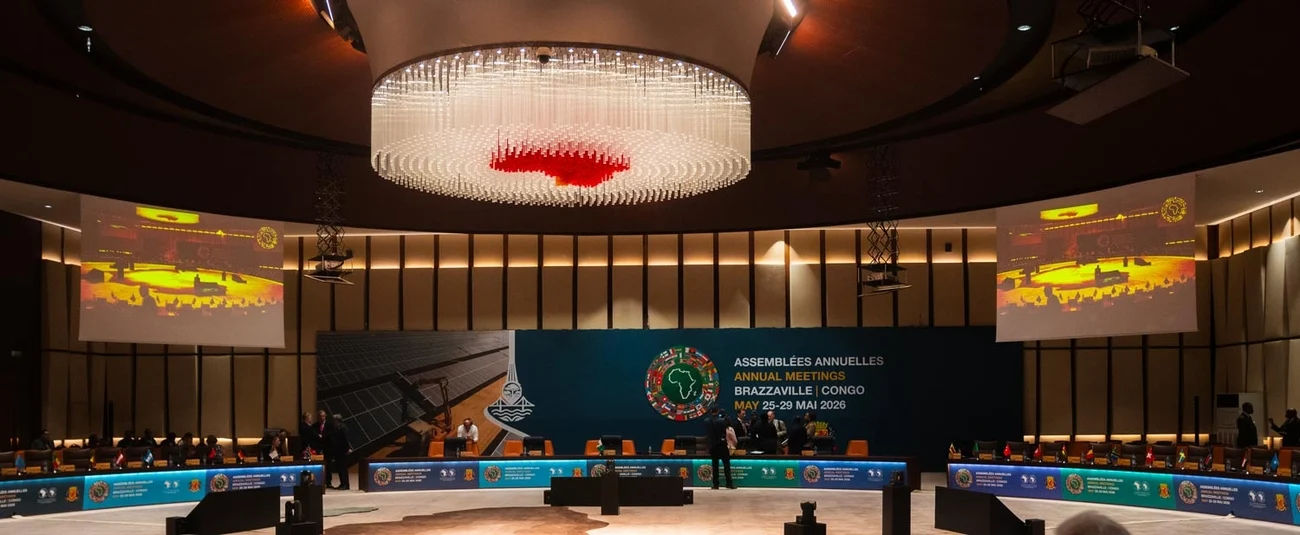
The decision came at the conclusion of the African Development Bank Group’s 2026 Annual Meetings in Brazzaville, Republic of the Congo, where more than 4,000 participants from 81 countries gathered to discuss the future of African Development Finance in an increasingly fragmented global economy. The endorsement gives AfDB President Dr Sidi Ould Tah a strong mandate to implement his “Four Cardinal Points” vision while accelerating reforms of Africa’s financial architecture.
The significance extends beyond the Bank itself. At a time when many African countries face rising debt pressures, climate financing challenges, infrastructure deficits, and growing youth unemployment, policymakers are increasingly asking whether Africa can generate more of the capital needed to finance its own future rather than relying predominantly on external funding sources.
Why Africa Needs New Sources of Development Funding
For decades, development financing across Africa has depended heavily on foreign aid, multilateral lending, donor support, and international capital markets.
However, global economic uncertainty, geopolitical tensions, higher borrowing costs, and competing international priorities have made access to development finance more challenging.
Against this backdrop, leaders attending the AfDB meetings focused on a central question: how can Africa unlock more domestic resources and strengthen financial institutions to support long-term growth?
The theme of the meetings “Mobilising large-scale resources for financing Africa’s development in a fragmented world”, reflected this growing urgency. Governors emphasised the need for Africa to build stronger financial resilience and reduce vulnerabilities associated with external economic shocks.
Many African economies continue to experience strong demographic growth, urbanisation, and rising demand for infrastructure. Yet financing gaps remain substantial in areas such as transportation, energy, healthcare, education, manufacturing, and digital transformation.
The challenge is no longer simply attracting funding but creating sustainable systems capable of generating investment from within the continent itself.
What AfDB’s New Strategy Seeks to Achieve
The centrepiece of discussions in Brazzaville was President Ould Tah’s strategic framework known as the Four Cardinal Points.
According to officials, governors strongly endorsed the vision and encouraged rapid implementation across the Bank’s operations. The strategy is designed to make the institution more agile, responsive, and closer to beneficiaries across Africa.
Speaking during the closing ceremony, Board of Governors Chairman Ludovic Ngatsé said governors had approved and encouraged the implementation of the strategy to strengthen Africa’s ability to act and exert influence in a rapidly changing world.
Ould Tah described the meetings as the beginning of a broader transformation effort.
He emphasised that political leadership and decisive action would be essential to translating discussions into real-world results, noting that Africa must move beyond declarations and focus on implementation.
The reforms are expected to support greater coordination between national development banks, regional financial institutions, governments, and private investors.
The Push for African Financial Independence
Perhaps the most notable development emerging from the meetings was the growing commitment by African countries themselves to contribute directly to development financing mechanisms.
Angola announced a contribution of €6.5 million to the seventeenth replenishment of the African Development Fund (ADF), bringing the number of African countries supporting the fund to 25 and total African contributions to more than $190 million.
While the amount remains modest compared with overall development needs, observers view the trend as symbolically important.
Historically, development funding for Africa has relied heavily on contributions from non-African donor nations. Increased African participation signals a shift toward greater ownership of the continent’s development agenda.
The move aligns closely with broader discussions surrounding African Financial Reform, a policy direction increasingly advocated by governments, economists, and regional institutions.
The proposed New African Financial Architecture for Development (NAFAD) seeks to create stronger mechanisms for mobilising African savings, pension funds, sovereign wealth resources, and private-sector investment.
Such reforms could eventually help reduce exposure to external financing shocks while strengthening long-term economic sovereignty.
Major Financial Commitments Announced
The Brazzaville meetings also produced several high-profile funding commitments.
One of the largest announcements involved more than $3 billion in commitments to the Congo Basin Blue Fund, supporting environmental protection and sustainable development initiatives across 17 African countries.
The Congo Basin represents one of the world’s most important carbon sinks and plays a critical role in global climate stability.
The investment reflects growing recognition that environmental sustainability and economic development must increasingly be pursued together.
In another major development, Japan announced $10 million in support for the Integrated Aviation Transformation Programme in Africa (IATP), an initiative aimed at strengthening aviation infrastructure and connectivity across the continent.
Several agreements were also signed as part of the Bank’s strategic reform agenda, including initiatives related to access to medical equipment and broader economic transformation programs.
How the Plan Could Affect Nigeria
For Nigeria, Africa’s largest economy by GDP and one of its most populous countries, the implications are significant.
Nigeria faces substantial infrastructure financing needs across transportation, energy, healthcare, education, and industrial development.
Efforts to strengthen Africa Development Finance could potentially expand opportunities for Nigerian businesses, state governments, development institutions, and entrepreneurs seeking access to long-term capital.
In particular, stronger regional financing mechanisms could help support projects that struggle to attract traditional commercial lending due to long repayment periods or perceived risks.
The Bank’s renewed emphasis on supporting youth and women-led enterprises may also align with Nigeria’s efforts to tackle unemployment and expand entrepreneurship.
The development comes as many African countries seek new approaches to financing economic diversification beyond commodity exports.
Readers interested in broader regional financing trends can also explore DSG HERALD’s previous coverage of Africa’s shift toward private capital mobilisation: Africa Development Financing Analysis
What It Means for Jobs and SMEs
One of the clearest messages from Ould Tah during the closing press conference concerned support for small and medium-sized enterprises (SMEs).
He emphasised that the Bank intends to work closely with national and regional financial institutions to improve support for SMEs, young entrepreneurs, and women.
This focus reflects a growing understanding that job creation across Africa depends heavily on smaller businesses rather than large corporations alone.
SMEs account for a substantial share of employment throughout Africa but often face major challenges in accessing affordable financing.
Improved financial access could help businesses expand operations, increase productivity, hire additional workers, and contribute more significantly to economic growth.
For many policymakers, strengthening SME financing represents one of the fastest routes toward achieving inclusive development and reducing poverty.
Regional Integration Takes Center Stage
Beyond financing discussions, the meetings produced another major announcement.
Congolese President Denis Sassou N’Guesso announced that, beginning January 1, 2027, citizens of all African countries would be able to enter the Republic of the Congo without visas.
The move was widely welcomed as a step toward deeper regional integration.
AfDB President Ould Tah described the decision as a courageous and strongly pan-African measure.
Supporters argue that easier movement of people can facilitate trade, tourism, investment, and business collaboration across the continent.
The announcement aligns with broader objectives of the African Continental Free Trade Area (AfCFTA), which seeks to create one of the world’s largest integrated markets.
Challenges Facing Africa’s Economic Transformation
Despite the optimism surrounding the meetings, substantial challenges remain.
Africa continues to face infrastructure deficits, climate-related risks, debt sustainability concerns, governance challenges, and limited access to affordable capital.
Transforming financial architecture alone will not automatically solve these issues.
Successful implementation will require coordination among governments, development institutions, private investors, regulators, and international partners.
Additionally, mobilising domestic resources often depends on improving tax collection systems, strengthening financial markets, increasing investor confidence, and reducing corruption risks.
Analysts also note that global economic uncertainty could complicate efforts to attract investment in the short term.
Nevertheless, the strong endorsement received by the AfDB leadership suggests there is growing political momentum behind efforts to reshape Africa’s development financing landscape.
Looking Ahead
The 2026 Annual Meetings may ultimately be remembered less for individual funding announcements and more for the broader shift in thinking they represent.
Across multiple sessions, leaders returned to a common theme: Africa must increasingly become an active financier of its own development rather than a passive recipient of external support.
Whether through domestic resource mobilisation, stronger regional institutions, expanded private-sector participation, or innovative financial reforms, the direction of travel appears clear.
The success of the strategy will ultimately be judged not by declarations made in conference halls but by measurable improvements in infrastructure, jobs, industrialisation, healthcare access, and economic opportunity across the continent.
For now, the endorsement of the Four Cardinal Points strategy marks an important milestone in Africa’s evolving development finance journey.
Recommended Coverage
Africa Investment Accelerator Receives Fresh AfDB Support
AfDB-Backed Alterra Africa Accelerator Fund Support
Examines how development finance institutions are leveraging private capital to drive African investment.
Africa Shows Economic Resilience Despite Global Headwinds
Africa Economic Resilience Report Analysis
Explores recent economic performance trends and growth prospects across African economies.
Private Capital Emerges as Key Development Driver
Africa Development Financing and Private Capital Shift
Provides additional context on alternative financing models gaining traction across Africa.
African Development Fund Boosts Regional Trade
African Development Fund Trade Initiative
Highlights efforts to strengthen regional trade integration through development finance.
About the Author