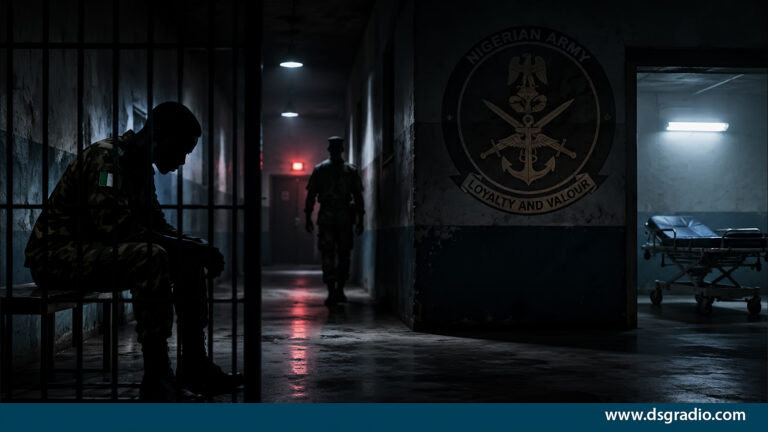
Oghenemine Killing: Police Trace Gun Shipment Route
The investigation into the killing of 28-year-old Oghenemine Ogidi in Delta State has taken a new turn after police reportedly arrested two suspects linked to the movement of a firearm believed to have triggered the fatal incident involving a police officer in Effurun.
Security sources said the suspects were moved into the Effurun Area Command under the Delta State Police Command on Wednesday night as investigators intensified efforts to uncover how a Beretta pistol and four rounds of ammunition were transported from Yenagoa in Bayelsa State to Effurun in Delta State.
The latest development has widened public attention beyond the shooting itself to include illegal firearm transportation, transport-line security concerns, and growing questions surrounding police conduct and accountability in Nigeria.
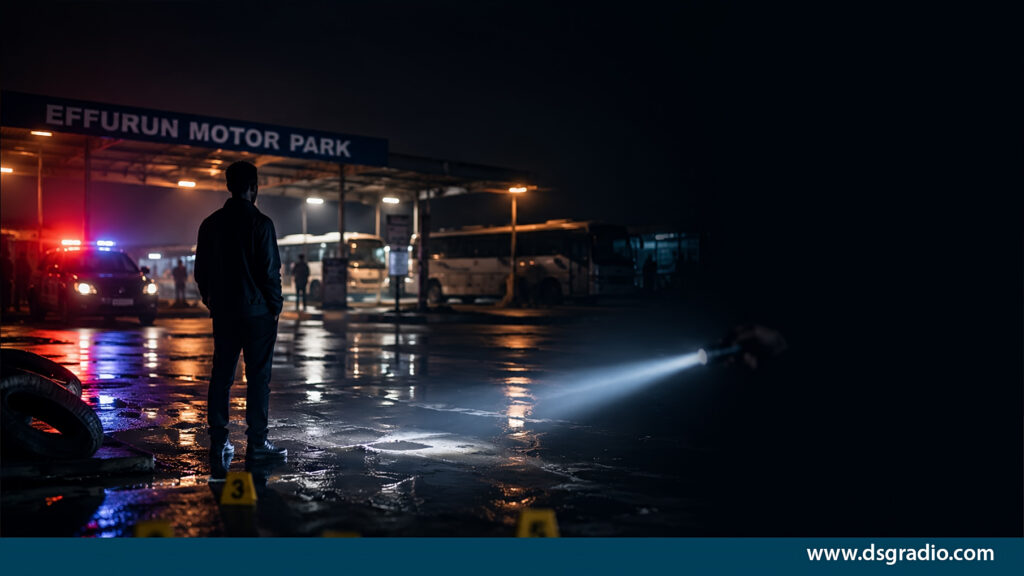
The arrests follow the controversial death of Oghenemine, popularly known as “Mine,” who was allegedly shot by ASP Nuhu Usman during an encounter at the Effurun Motor Park.
Delta Police Probe Expands Beyond Shooting
While the Delta State Police Command had not officially issued a detailed statement on the arrests as of press time, multiple reports indicated that investigators were focusing on the chain of events that led to the movement of the firearm across state lines.
According to sources familiar with the investigation, one of the suspects is believed to be the individual who allegedly sent the gun from Yenagoa through a commercial transport service to Effurun.
The second suspect was not immediately identified, though reports suggested the person could be linked to the transport process that delivered the parcel to Delta State.
The identities of the suspects had not been publicly disclosed, and authorities had not confirmed possible charges against them.
Details regarding the firearm’s ownership also remained unclear at the time of reporting.
How The Gun Parcel Reached Delta
Investigators are reportedly examining how the firearm moved undetected through a transport route connecting Bayelsa and Delta states.
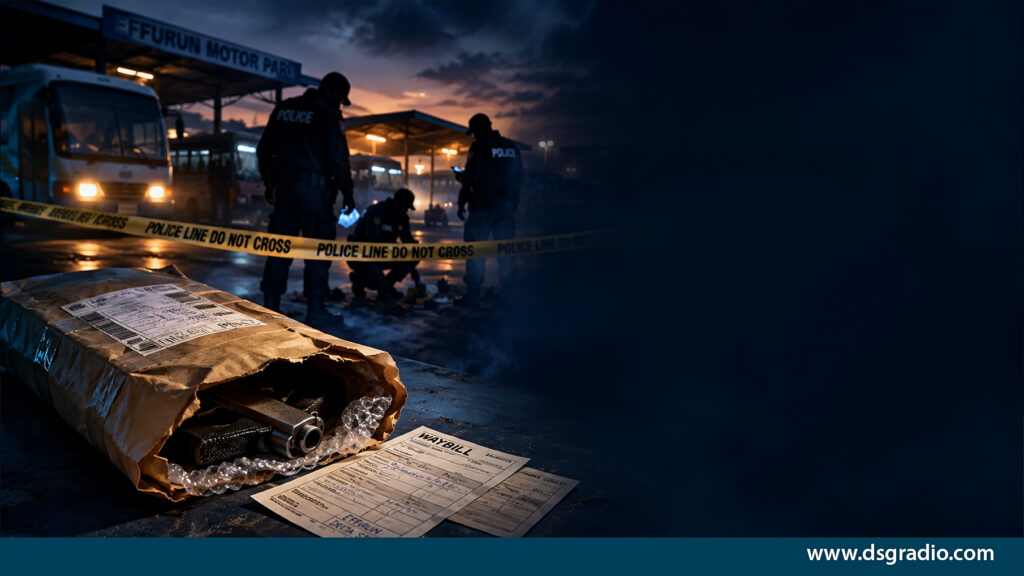
Sources said the parcel containing the Beretta pistol and ammunition was allegedly sent from Yenagoa and later received in Effurun by Oghenemine, who was expected to forward it to an owner in Sapele.
The alleged transfer reportedly took place at the Effurun Motor Park, where police officers intercepted Oghenemine.
It was during the encounter that ASP Nuhu Usman allegedly shot the 28-year-old under circumstances that have since sparked outrage and demands for justice.
The incident has renewed concerns about the ease with which firearms can move through commercial transportation systems in Nigeria without detection.
Security experts have repeatedly warned that weak parcel screening systems in motor parks and interstate transport networks create loopholes that criminal actors can exploit.
Growing Questions Over Police Accountability
The Oghenemine killing has also intensified conversations about the use of force by security personnel and allegations of extrajudicial actions by law enforcement officers.
Human rights advocates and community observers have questioned whether lethal force was necessary during the confrontation.
Public attention has particularly focused on whether proper arrest procedures were followed before the fatal shooting occurred.
The incident has drawn comparisons to other controversial police encounters in Nigeria that triggered nationwide concerns over accountability and operational conduct.
In a previous report by DSG HERALD, conflicting narratives emerged over the events leading to the fatal shooting in Effurun. Read more in this report on the Effurun police shooting and conflicting accounts.
Another DSG HERALD analysis described the killing as a significant test of police accountability in Nigeria’s justice system. More details are available in this report examining the broader implications of the Mene Ogidi killing.
Illegal Gun Shipment Raises Security Concerns
The latest arrests have shifted part of the public discussion toward illegal arms movement across southern Nigeria.
Security analysts say interstate transportation of weapons through commercial channels remains a major national security concern.
Nigeria has faced repeated challenges involving illicit firearms trafficking, particularly in regions affected by violent crime, cult-related clashes, communal unrest, and armed militancy.
Experts warn that transport operators often lack the equipment or training needed to identify suspicious packages.
The development in the Oghenemine case could increase pressure on authorities to introduce stricter parcel screening systems at motor parks and interstate transport hubs.
There are also growing calls for closer collaboration between security agencies and transport unions to improve monitoring of suspicious deliveries.
Community Reactions And Demand For Justice
The killing of Oghenemine has continued to generate emotional reactions across Delta State and on social media platforms.
Many residents have demanded an independent and transparent investigation into both the shooting and the movement of the firearm allegedly linked to the case.
Civil society groups have also urged the police hierarchy to publicly clarify:
- the operational circumstances surrounding the shooting,
- whether internal disciplinary procedures have been initiated,
- and the status of ASP Nuhu Usman.
As of the time of filing this report, authorities had not publicly disclosed whether the officer involved had been suspended or formally charged.
Details surrounding the full sequence of events remain under investigation.
Source Reports And Ongoing Investigation
According to a report by Vanguard, investigators confirmed that at least one of the recently arrested suspects was allegedly connected to the shipment of the firearm from Bayelsa State.
However, some aspects of the case could not be independently verified.
Police authorities have yet to release a comprehensive official account detailing:
- how the firearm was intercepted,
- the exact role of each suspect,
- or whether additional arrests are expected.
Sources indicated that investigations were continuing and that more persons connected to the movement of the weapon could still be identified.
Wider Implications For Security And Justice
Beyond the immediate criminal investigation, the Oghenemine case has become part of a wider national conversation about policing standards, public trust, and the circulation of illegal arms.
Analysts say the outcome of the investigation may influence public confidence in the authorities’ willingness to hold officers accountable while also addressing systemic security weaknesses.
The case also highlights the intersection between criminal intelligence, interstate transportation systems, and law enforcement response procedures.
For many observers, the central questions remain unresolved:
- How did the firearm move across states without detection?
- Was the use of force justified?
- And will the investigation lead to full accountability for all parties involved?
Until authorities provide further official clarification, the Oghenemine killing is likely to remain a major public interest case in Delta State and beyond.
Recommended Coverage:
- Nigerian Brigadier General Killed In Borno Attack
The report examines ongoing security threats facing Nigeria’s military and law enforcement operations. - Easter Attacks In Benue, Kaduna Leave 16 Dead
This story highlights rising security concerns and violent incidents affecting communities across Nigeria. - FG N1.2bn Boko Haram Rehabilitation Plan Sparks Debate
The article explores public concerns over Nigeria’s security policies and accountability measures. - US Concern Grows Over Nigeria’s Plateau Killings
The report looks at international reactions to Nigeria’s recurring security and human rights challenges.
About the Author