Ivory Coast Election Body Dissolved Amid Reform Pressure
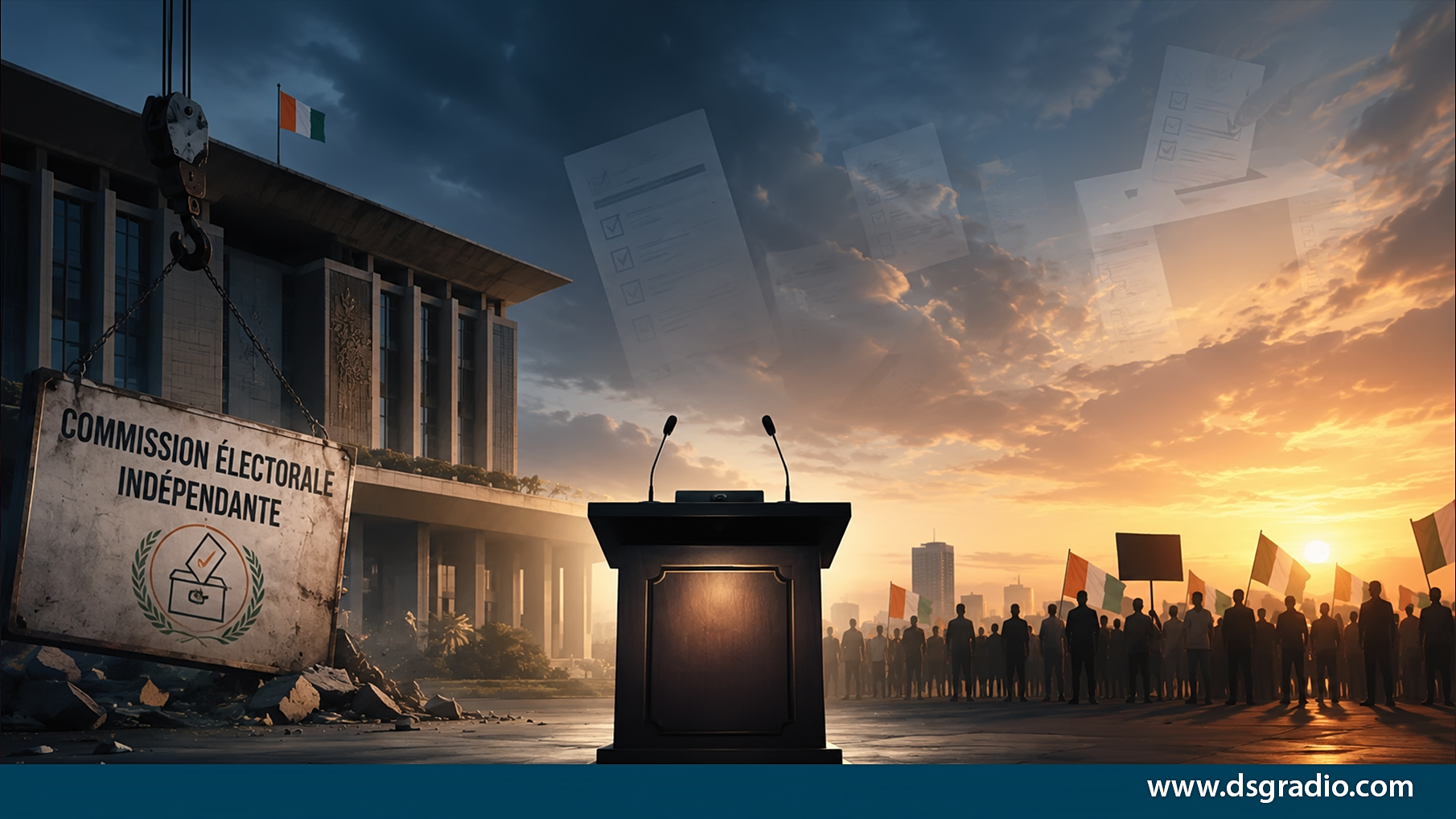
Ivory Coast has dissolved its national electoral commission following years of criticism from opposition parties over the credibility and independence of the institution responsible for organising elections, a move that could reshape the country’s political landscape ahead of future polls.
The decision was announced after a cabinet meeting on Wednesday, with government officials saying the dissolution of the Independent Electoral Commission (CEI) was intended to restore public confidence in the electoral process after repeated disputes surrounding recent elections.
Government spokesman and Communications Minister Amadou Coulibaly confirmed the move, stating that authorities sought to create a system capable of delivering peaceful, trusted elections in the West African nation.
The development comes months after President Alassane Ouattara secured a controversial fourth term during a presidential election that faced criticism from opposition groups, civil society actors, and political observers.
The opposition has long accused the CEI of lacking independence and favouring the ruling establishment, especially during high-stakes elections that have shaped the country’s modern political history.
According to a report published by Vanguard, government officials said discussions would begin on creating a new electoral mechanism to reassure political stakeholders and strengthen democratic trust.
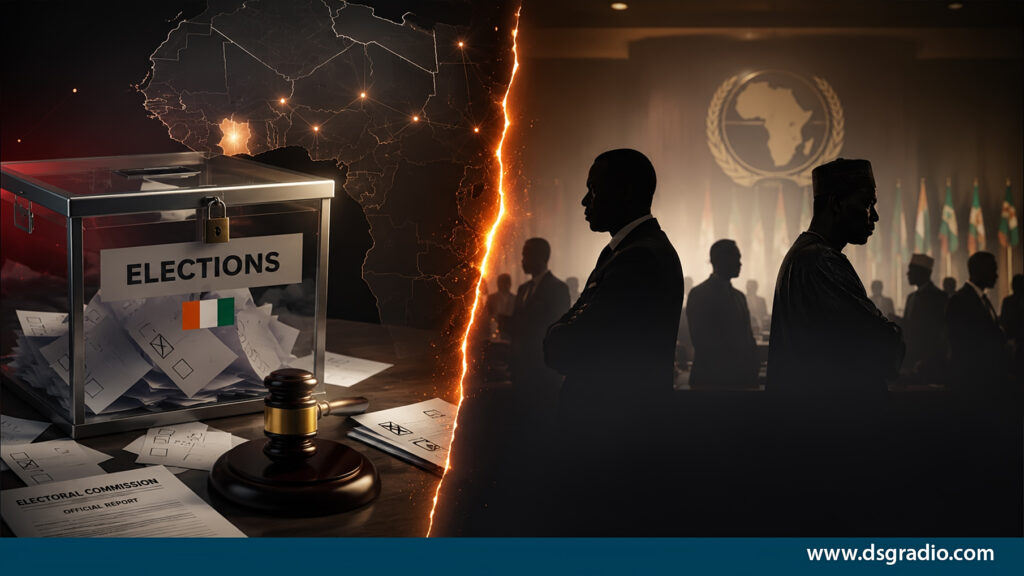
Government Says Dissolution Aims To Restore Trust
Speaking after the cabinet meeting, Coulibaly said the government took the decision due to persistent criticism of the electoral commission.
“In view of the reservations expressed about this institution, as well as the criticism it has faced, the Council of Ministers has decided to dissolve it,” he said.
However, officials did not immediately provide details regarding:
- The structure of a replacement institution
- A timeline for electoral reforms
- Whether opposition parties would participate in redesigning the system
- Possible constitutional amendments linked to electoral administration
Coulibaly stated that consultations would likely take place at the government level before a new framework is introduced.
“The aim is to ensure, in a lasting way, the organisation of peaceful elections by creating greater trust and reassuring all Ivorians and the political class,” he added.
The dissolution represents one of the most significant political reforms announced in the Ivory Coast since the disputed constitutional changes that allowed Ouattara to seek another term in office.
Why The CEI Became A Political Flashpoint
The Independent Electoral Commission has faced years of criticism from opposition leaders who argue that the institution lacks neutrality.
The commission is responsible for:
- Organising national elections
- Supervising voter registration
- Enforcing electoral laws
- Managing election logistics
- Publishing official results
Opposition parties have repeatedly questioned whether the body operates independently from the executive branch.
Tensions escalated during the presidential election in which several major opposition figures were prevented from contesting.
Former President Laurent Gbagbo was excluded because of a criminal conviction, while former Credit Suisse executive and opposition figure Tidjane Thiam faced nationality-related eligibility issues.
Former Prime Minister Pascal Affi N’Guessan, whose candidacy was also rejected, urged the government to begin inclusive dialogue with political and civil society groups.
In a statement posted on X, he called for efforts to “rebuild the electoral system, in the name of peace and stability.”
The Democratic Party of the Ivory Coast (PDCI) and the African Peoples’ Party of the Ivory Coast (PPA-CI) did not immediately issue official reactions following the announcement.
Ouattara’s Fourth Term Remains Controversial
The dissolution of the Ivory Coast election body also revives debate surrounding President Ouattara’s fourth term and the broader direction of democracy in the country.
Ouattara first came to power in 2011 after a violent post-election crisis that divided the nation and resulted in thousands of deaths.
His decision to seek another term after constitutional revisions sparked widespread political tension and protests.
Supporters argued that constitutional changes reset presidential term limits, while critics accused the government of weakening democratic safeguards.
Political analysts say the latest move may be an attempt to reduce growing distrust ahead of future elections and prevent another cycle of instability.
The issue carries significant weight because the Ivory Coast remains one of West Africa’s largest economies and an influential political actor in the region.
The country has often been viewed as a critical stability anchor within Francophone West Africa, particularly as neighbouring nations confront coups, militant insurgencies, and institutional crises.
Recent regional instability has intensified scrutiny on governance systems across West Africa, including electoral transparency and constitutional order.
DSG HERALD NEWS previously reported on how regional security and geopolitical shifts are affecting West African politics, including the Ivory Coast’s changing security relationship with France.
The broader regional power competition has also reshaped political alliances and economic diplomacy across the continent, as explored in DSG HERALD NEWS’ report on China-Africa trade relations and shifting global influence.
Regional Democratic Concerns Growing Across West Africa
The electoral reform crisis in the Ivory Coast arrives at a time when democratic institutions across West Africa are under pressure.
Several countries in the region have recently faced:
- Military coups
- Constitutional disputes
- Election-related violence
- Opposition crackdowns
- Public distrust in electoral institutions
Analysts say the credibility of election management bodies has become a central issue in many African democracies.
In some countries, disputed elections have triggered:
- Mass protests
- Economic disruptions
- Security crackdowns
- International diplomatic pressure
The dissolution of the CEI could therefore become either:
- A turning point toward broader democratic reforms, or
- Another source of political uncertainty if reforms lack inclusiveness
Much may depend on whether opposition parties, civil society organisations, and independent observers are allowed to participate meaningfully in shaping the replacement institution.
Uncertainty Surrounds What Comes Next
Despite the announcement, major questions remain unanswered.
Details remain unclear regarding:
- How the replacement system will operate
- Whether the next electoral body will be constitutionally independent
- What reforms may be introduced before future elections
- Whether excluded opposition leaders will regain political eligibility
There has also been no indication of when the new mechanism could become operational.
Political observers warn that delays or opaque reforms could deepen existing mistrust rather than resolve it.
Others argue that the dissolution offers a rare opportunity to rebuild confidence in the electoral system through transparent institutional reforms.
International partners and regional observers are expected to closely monitor developments in the coming months, particularly as democratic governance remains a sensitive issue across the region.
Implications For Democracy And Political Stability
The decision to dissolve the Ivory Coast election body may ultimately shape the country’s democratic trajectory for years to come.
If authorities establish a more independent and broadly accepted electoral institution, the reform could improve political confidence and reduce future tensions.
However, failure to secure opposition participation or public trust may intensify divisions ahead of future elections.
For now, the government insists the reforms are aimed at preserving peace and strengthening national unity.
Whether the move becomes a democratic breakthrough or another source of controversy may depend on how transparent and inclusive the reform process becomes.
Recommended Coverage:
- Mali Security Crisis Tests Russia Alliance Strength
Growing instability across West Africa continues to influence political reforms, security policies, and regional alliances. - Mali Militant Alliance Attack Shakes Sahel Security
Rising insecurity in the Sahel has intensified concerns about governance, democratic resilience, and state stability across the region.
About the Author