Africa Development Financing: UK–AfDB Talks Signal New Strategy
Africa development financing is undergoing a strategic shift toward private capital and domestic resource mobilisation following high-level talks between the African Development Bank (AfDB) and the United Kingdom’s Foreign, Commonwealth and Development Office (FCDO) in Abidjan on April 29, 2026. The discussions, which form part of a two-day engagement, highlight the growing urgency to address Africa’s financing gap and reduce reliance on traditional aid by unlocking investment-driven growth.
A Turning Point for Africa Development Financing
The meeting between AfDB officials and the UK delegation signals what analysts increasingly describe as a transition from aid-based funding to a more sustainable investment-led model.
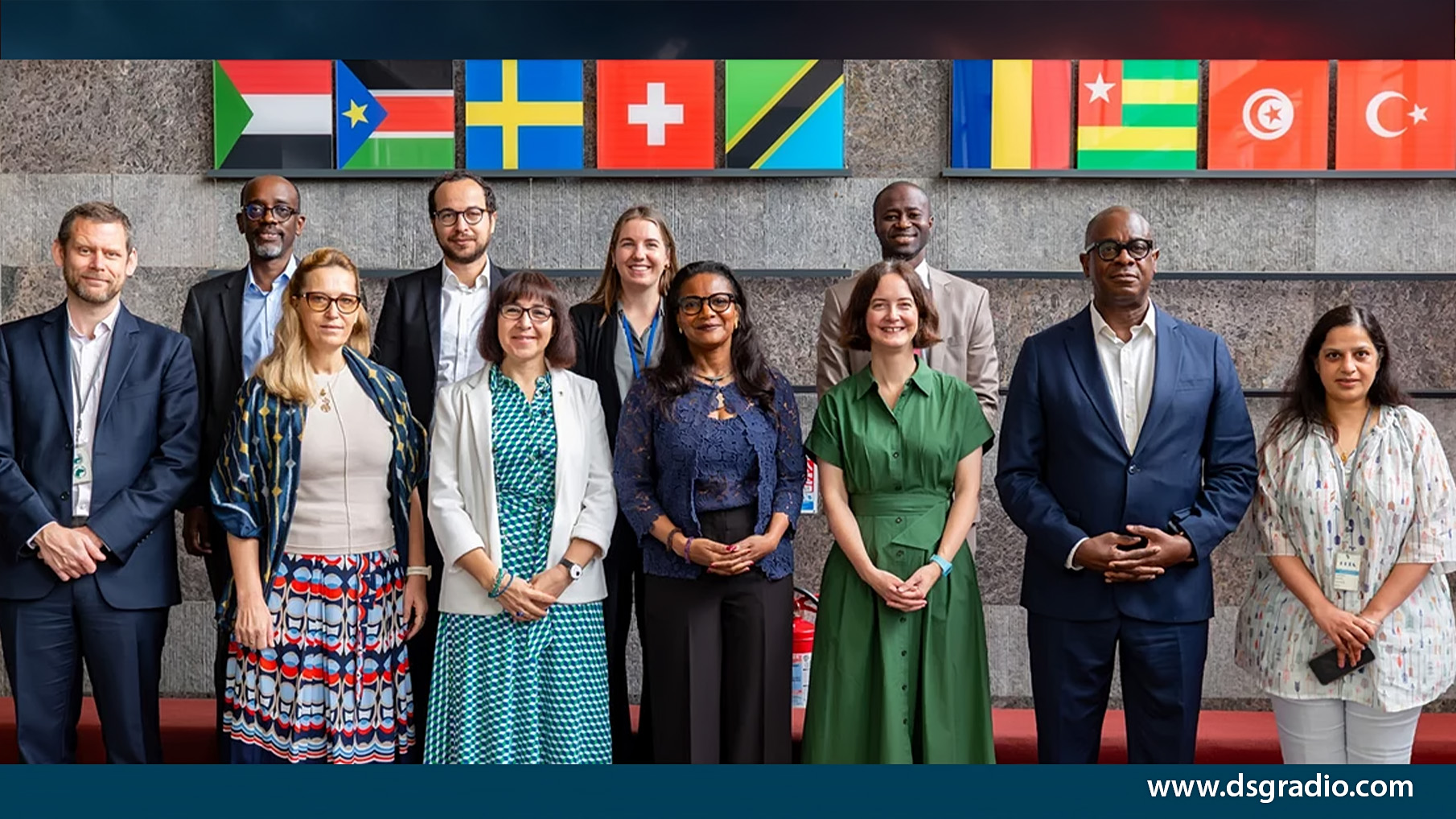
Key participants included:
- Hassatou N’Sele, AfDB Vice-President for Finance and Chief Financial Officer
- Solomon Quaynor, Vice-President for Private Sector, Infrastructure and Industrialisation
- Director Aida Ngom and senior Bank officials
According to details published by the AfDB, the discussions focused on accelerating implementation of the G20’s reform agenda for multilateral development banks, with emphasis on mobilising private capital for African development projects.
Rather than serving as a routine institutional meeting, the talks reflect a broader recalibration of how African development financing is structured, measured, and delivered.
Why Private Capital Is Now Central
A major takeaway from the discussions is the growing prioritisation of private-sector investment as a key driver of development financing.
AfDB reported that:
- Non-sovereign lending reached a record high in 2025
- Efforts are underway to establish standardised metrics for private capital mobilisation
- African countries are being supported to increase domestic revenue generation
This shift aligns with a wider recognition that public funding alone cannot meet Africa’s infrastructure needs, estimated at over $100 billion annually.
The Bank’s approach leverages:
- Deep government relationships
- Project structuring expertise
- On-the-ground operational experience
This strategy is already influencing broader regional efforts, including the Africa Economic Resilience Report, which underscores the continent’s improving macroeconomic stability.
NAFAD and Africa Financial Architecture Reform
At the centre of the discussions is the New African Financial Architecture for Development (NAFAD), a flagship initiative led by AfDB President Sidi Ould Tah.
NAFAD aims to:
- Coordinate African financial institutions and regulators
- Unlock domestic savings across the continent
- Build shared risk and guarantee systems
- Strengthen local capital markets
A significant milestone was the Abidjan Consensus communiqué, signed earlier in April, committing stakeholders to these reforms.
This marks a critical evolution in Africa’s financial architecture, shifting control toward continent-led systems rather than externally driven financing mechanisms.
G20 Bank Reforms and AfDB Progress
The AfDB presented its performance scorecard on the G20’s 13 reform recommendations for multilateral development banks.
Key progress indicators include:
- 6 actions completed or well advanced
- 29 actions currently underway
- 4 targeted actions focused on private capital mobilisation
Among these achievements is support for countries to improve domestic revenue collection, which has already been delivered.
These reforms are designed to create:
- Larger and more effective development banks
- Faster project financing cycles
- Increased private sector participation
Mission 300 and Infrastructure Financing
One of the standout initiatives discussed was Mission 300, a joint AfDB–World Bank effort aimed at connecting 300 million Africans to electricity by 2030.
This project illustrates how coordinated financing strategies can deliver large-scale impact when multilateral institutions collaborate.
Other areas of focus include:
- Transport corridors
- Energy infrastructure
- Cross-border trade systems
Support from the African Development Fund continues to play a crucial role in financing complex regional projects, complementing private sector investments.
This builds on earlier interventions such as the WAEMU trade financing grant, which targets regional economic integration.
UK’s Strategic Interest in Africa Development Financing
The UK delegation expressed strong support for the Bank’s strategic direction, identifying several areas for further collaboration, including:
- Domestic capital mobilisation through national investor task forces
- Improved measurement of private investment flows
- Potential partnerships with UK Export Finance
- Continued engagement on NAFAD implementation
The UK’s involvement reflects growing global interest in Africa as an investment destination, particularly in sectors such as energy, agriculture, and infrastructure.
Project Pipeline and Investment Readiness
Another critical aspect of the talks focused on building investment-ready project pipelines.
The AfDB emphasised the importance of:
- Targeted funding tools
- Early-stage project preparation
- Risk mitigation mechanisms
These elements are essential to attracting private investors, who often require structured, low-risk opportunities before committing capital.
What Comes Next
Day two of the discussions is expected to deepen engagement on:
- Guarantee frameworks
- Infrastructure corridors
- Agriculture financing
- Energy investments
While the details of final agreements remain unclear, the direction of travel suggests a sustained push to reshape Africa’s development financing through institutional reform and private-sector integration.
Global Context and Verification
The AfDB’s account of the discussions aligns with broader global efforts to reform development finance systems. As noted in the Bank’s official report, the initiative is part of a coordinated push to scale up capital flows into Africa through multilateral collaboration.
For full details, see the AfDB’s official statement on the talks via its website (as reported by the Bank itself: AfDB official report).
Some elements of the discussions, including specific financial commitments and timelines, could not be independently verified.
Implications for Africa and Global Investors
The implications of these developments are significant:
- For governments: Increased access to diversified financing sources
- For investors: Expanded opportunities in African infrastructure and energy
- For citizens: Potential improvements in electricity access, transport, and economic growth
Ultimately, the talks reflect a broader transformation in how Africa development financing is conceived, moving from dependency toward partnership, from aid toward investment, and from fragmented systems toward coordinated financial architecture.
🔗 Recommended Coverage:
- AfDB Accelerator Fund Gains $15M Boost
Explores how new funding vehicles are supporting private investment pipelines across Africa. - AfDB Advances Gabon Energy Compact
Highlights progress in energy financing and electrification projects tied to Mission 300 goals.
About the Author