King Charles US Speech Reveals Diplomatic Signals and Global Power Shifts
The King Charles US speech delivered before the United States Congress has drawn global attention for its layered diplomatic messaging, subtle political signals, and implications for US-UK relations amid rising geopolitical uncertainty.
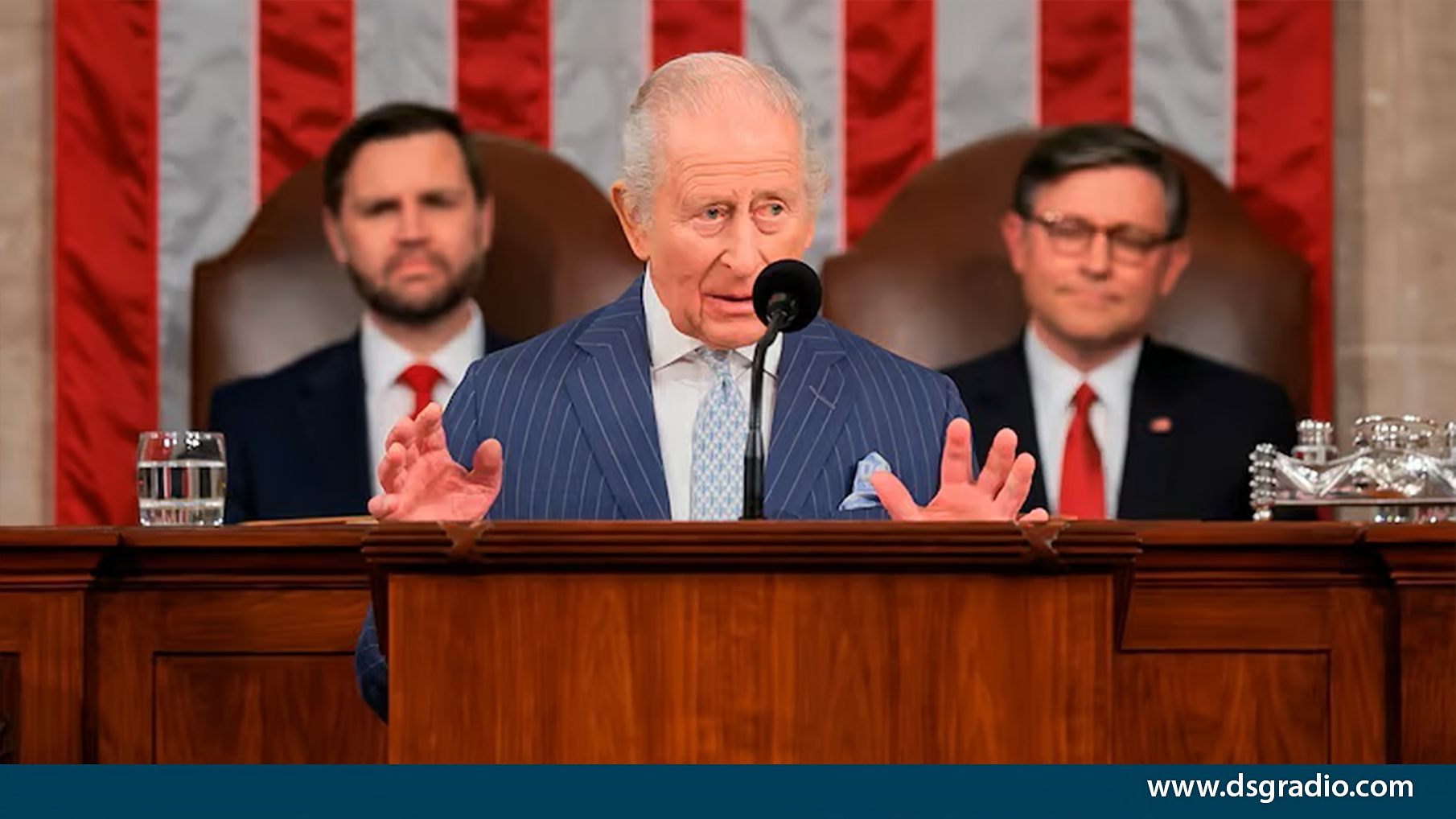
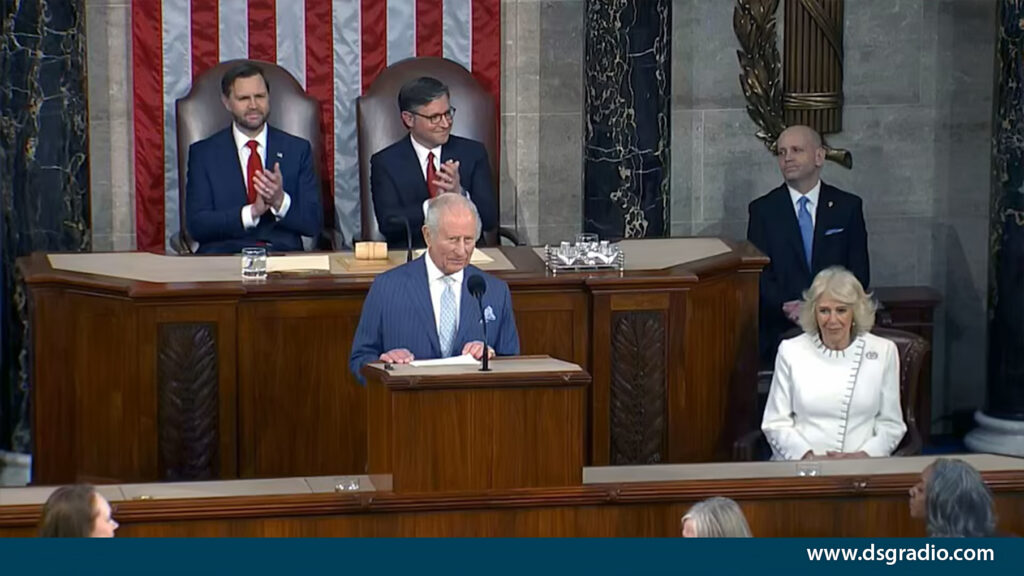
King Charles III addressed lawmakers in Washington on Tuesday during a high-profile state visit intended to reinforce the “special relationship” between the United Kingdom and the United States. However, the visit also unfolded amid US UK relations tension, particularly over Britain’s reluctance to fully support the joint US-Israeli position on Iran.
The speech—his first to Congress and the first by a British monarch since Queen Elizabeth II in 1991—combined symbolism with strategic messaging, touching on democracy, security alliances, and global instability.
Political Undertones in the King Charles US Speech
The King Charles US speech opened with a direct acknowledgement of global instability, referencing conflicts in Europe and the Middle East as shared concerns between both nations.
By framing the address around “times of great uncertainty,” the King positioned his remarks within a broader geopolitical narrative rather than a ceremonial engagement.
Key political signals included:
- Recognition that the US and UK “do not always agree”
- Emphasis on historical resilience in bilateral relations
- Call for renewed cooperation in global leadership
The reference to the spirit of 1776 underscored the paradox of a monarchy addressing a republic while reinforcing shared democratic ideals.
Trump Reaction and Congressional Dynamics
The King Charles Congress address intersected with domestic political tensions in the United States, revealing differing interpretations among political actors.
President Donald Trump, following a White House meeting with the King, publicly praised him, stating:
“He’s a fantastic person… it’s a real honour.”
However, reactions within Congress reflected partisan divides:
- Democratic lawmakers responded strongly to references to constitutional checks and balances
- Some Republicans focused on reaffirming the transatlantic alliance
A notable moment occurred when the King highlighted that executive authority must be subject to checks and balances, a principle rooted in the Magna Carta and embedded in the US Constitution.
The applause pattern—beginning among Democrats—suggested that parts of the speech were interpreted as a broader commentary on governance and power.
NATO, Security Cooperation, and Strategic Messaging
The King Charles US speech placed significant emphasis on NATO and transatlantic security cooperation, reaffirming the alliance’s central role in global stability.
The King:
- Referenced NATO’s activation after the September 11 attacks
- Highlighted intelligence-sharing partnerships
- Emphasised collective defence commitments
He also pointed to emerging global challenges, including climate change impacts in the Arctic and evolving security threats.
These remarks come amid ongoing debates within NATO regarding:
- Defense spending commitments
- Strategic priorities
- Relations with emerging global powers
The King’s emphasis on unity suggests an effort to reinforce cohesion amid geopolitical strain.
Silence on Epstein and Unresolved Controversies
One of the most closely scrutinised aspects of the King Charles US speech was the absence of any direct reference to Jeffrey Epstein or his victims.
The issue has remained prominent due to:
- Newly released US government documents
- Alleged links to high-profile figures
- Continued public interest in accountability
The King made only a general remark about supporting victims of societal harms, without directly addressing the Epstein case.
Calls for him to engage with Epstein survivors during the visit were not reflected in the speech.
Details regarding discussions behind closed doors were not specified in the original report.
Diplomacy Through Soft Power and Symbolism
Despite the serious geopolitical undertones, the King Charles US speech incorporated elements of humor and cultural diplomacy.
The King:
- Referenced linguistic differences between the US and UK
- Made light remarks about historical tensions
- Used anecdotal humour to engage lawmakers
This approach aligns with traditional diplomatic strategies that combine:
- Symbolism
- Personal connection
- Strategic messaging
Such soft power techniques are often deployed to ease tensions and reinforce long-standing alliances.
Implications for Africa and the Global South
The implications of King Charles US speech extend beyond transatlantic relations, particularly for Africa and other regions influenced by Western geopolitical decisions.
Key considerations include:
- NATO’s role in shaping global security dynamics
- Western foreign policy alignment affecting African diplomacy
- Economic and development partnerships linked to US-UK cooperation
For countries like Nigeria, shifts in US-UK relations may influence:
- Security cooperation frameworks
- Trade agreements
- Diplomatic positioning in global institutions
These broader impacts highlight the speech’s global relevance.
Diplomatic Strain and Strategic Timing
The speech took place against a backdrop of existing tensions, as previously reported in DSG Herald coverage on King Charles’ US visit facing diplomatic strain.
The visit was widely seen as:
- A diplomatic effort to ease tensions
- A symbolic reaffirmation of alliance
- A strategic engagement amid global uncertainty
According to a BBC report on the address, the King emphasised themes of “reconciliation and renewal” as central to the US-UK relationship, though the effectiveness of this approach remains uncertain.
What Comes Next for US-UK Relations
The long-term impact of the King Charles US speech will depend on several factors:
- Policy alignment between Washington and London
- Developments in the Middle East and European conflicts
- Domestic political dynamics in the United States
While the speech may have helped ease immediate tensions, it does not resolve underlying policy disagreements.
Recommended Coverage
You may also want to read:
- UK Targets 2035 Women’s World Cup Hosting
Highlights Britain’s broader global engagement strategy beyond diplomacy. - Countries Recognizing Palestine and Global Divide
Provides context on Middle East tensions referenced in the speech. - Strait of Hormuz Dispute and UK-US Policy Clash
Examines recent disagreements shaping US-UK relations. - Global Conflict Risks and World War Concerns
Explores broader geopolitical instability linked to NATO and alliances.
About the Author