US Iran Tensions Rise Over Hormuz Crisis Threat
Rising US Iran tensions are threatening global economic stability as stalled diplomatic talks, a US naval blockade, and growing conflict across the Middle East raise concerns about a potential crisis in the Strait of Hormuz. The situation escalated after the United States cancelled plans for a diplomatic visit to Pakistan, following Iran’s refusal to engage in direct negotiations. The developments, confirmed on April 25, 2026, highlight deepening geopolitical uncertainty with far-reaching implications for global energy markets, regional security, and developing economies.
US Iran Tensions and the Breakdown of Diplomacy
The latest escalation in US Iran tensions follows a series of diplomatic setbacks involving Washington, Tehran, and regional mediators.
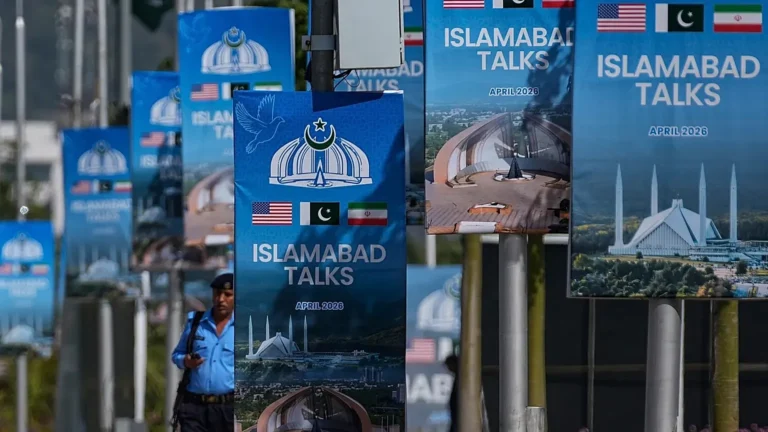
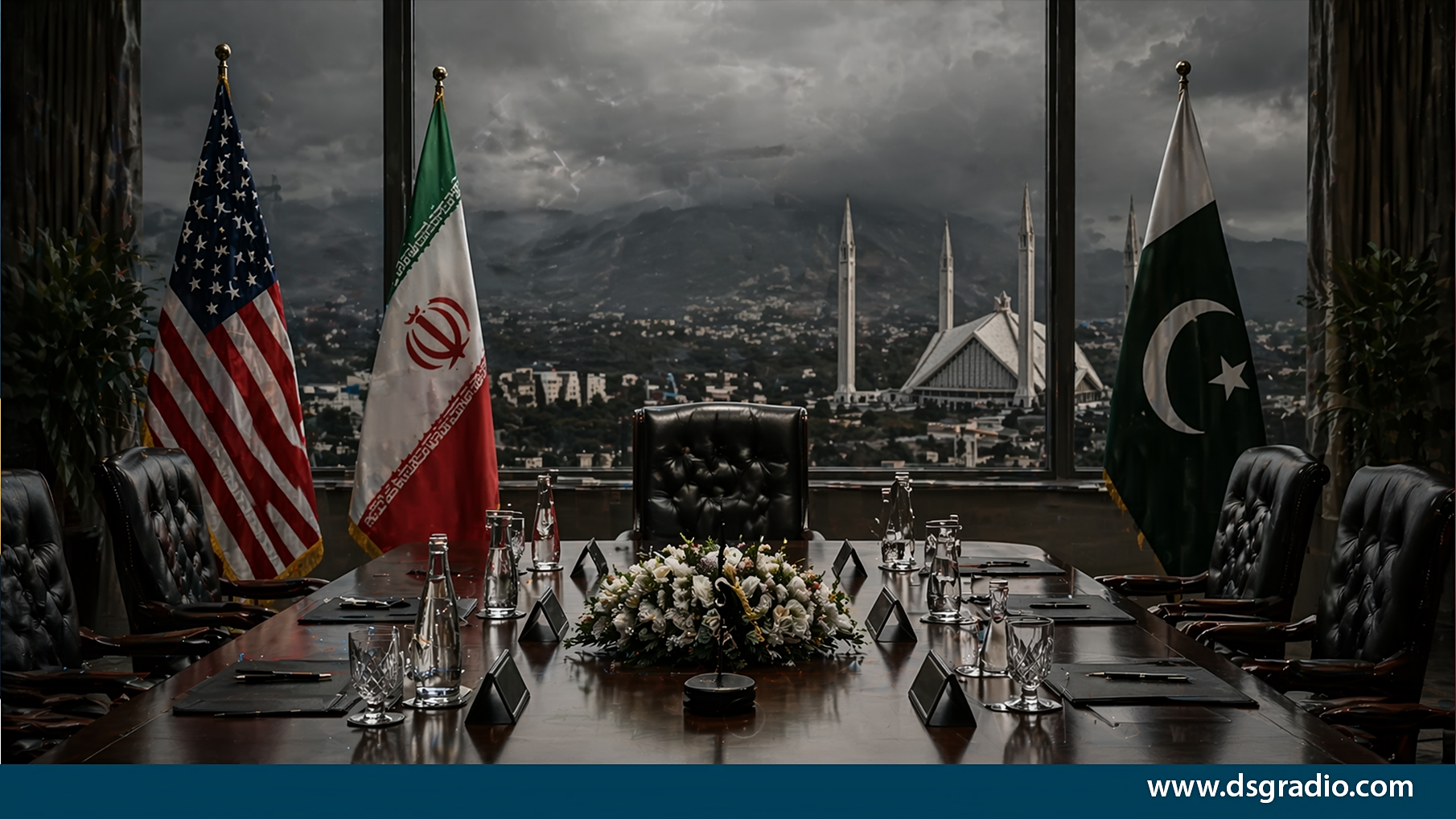
US President Donald Trump confirmed that a planned American delegation would not travel to Pakistan, where indirect negotiations were expected to take place. Iran had ruled out direct engagement with US negotiators in Islamabad, forcing Washington to shift discussions to remote channels.
According to Trump:
- Talks will continue via phone instead of in-person meetings
- Iran has presented a revised proposal
- The proposal offers “a lot but not enough,” though no specifics were disclosed
Iran’s top diplomat, who met with Pakistani mediators on Saturday, expressed scepticism about Washington’s intentions, stating it remains unclear whether the United States is “truly serious about diplomacy.”
These developments reinforce a pattern of stalled engagement and mistrust, contributing to what analysts describe as a prolonged delay in Iran nuclear talks.
For further context on earlier negotiations, see DSG Herald’s coverage of US-Iran-Pakistan talks uncertainty.
Strait of Hormuz Crisis and Global Economic Risks
At the centre of the crisis is the growing risk of disruption in the Strait of Hormuz — one of the world’s most critical oil transit chokepoints.
The absence of a diplomatic breakthrough has coincided with:
- A US naval blockade affecting Iranian trade
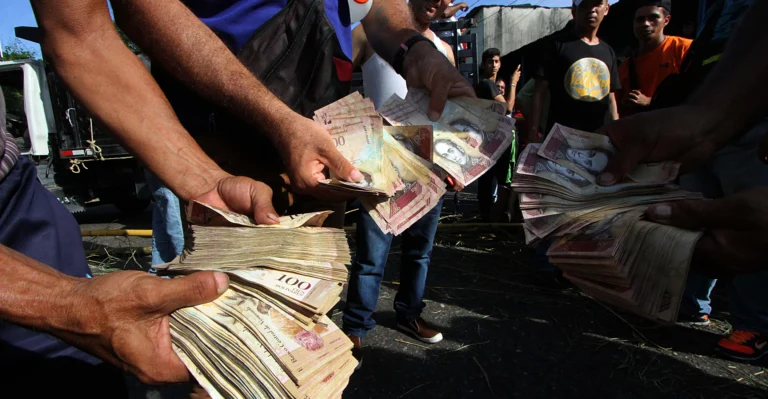
- Rising food prices in Iran
- Increasing unemployment levels
- Iran maintains strategic control over the Strait of Hormuz
This evolving Strait of Hormuz crisis carries global consequences.
The waterway is responsible for transporting a significant portion of the world’s oil supply. Any disruption could:
- Trigger sharp increases in global oil prices
- Disrupt international shipping routes
- Fuel inflation across multiple economies
As previously analysed in DSG Herald’s report on the Strait of Hormuz dynamics, control of this corridor remains a critical leverage point in global geopolitics.
Impact on Nigeria and Emerging Economies
The escalation of US Iran tensions is not limited to the Middle East. It carries significant implications for oil-dependent and developing economies, including Nigeria.
Potential impacts include:
- Volatile crude oil prices are affecting national revenue
- Increased fuel costs domestically
- Inflationary pressure on goods and services
- Market instability is affecting investment flows
Nigeria, as a major oil producer, could experience short-term revenue gains if prices rise. However, prolonged instability may:
- Disrupt global demand
- Increase economic uncertainty
- Affect long-term fiscal planning
These risks highlight how geopolitical developments in the Middle East can directly influence African economies.
Middle East Conflict Escalation Expands
Beyond the diplomatic deadlock, the situation is compounded by renewed violence across the region.
In southern Lebanon:
- Israel has launched additional deadly strikes
- The attacks come despite a ceasefire recently extended by three weeks
- Iran-backed Hezbollah has responded with rocket fire into Israel
This escalation contributes to a broader Middle East conflict, heightening fears of a multi-front confrontation.
DSG Herald has previously examined this pattern in its analysis of regional security disruptions, noting the interconnected nature of these conflicts.
Economic Standoff and Human Impact in Iran
The ongoing standoff is also having tangible effects on civilians within Iran.
Due to the US naval blockade:
- Food prices are rising
- Job losses are increasing
- Economic hardship is intensifying
While detailed figures were not provided in the original report, the trend suggests mounting domestic pressure on Iran’s economy.
The blockade, reportedly ordered under US authority, further complicates diplomatic efforts. DSG Herald previously reported on this development in its coverage of the US naval blockade in the Strait of Hormuz.
Diplomatic Uncertainty and Future Outlook
The future of negotiations remains unclear.
Key unresolved issues include:
- Whether Iran will agree to direct talks
- Whether the US will adjust its negotiation strategy
- The content of Iran’s revised proposal
- The role of regional mediators, such as Pakistan
Trump’s comments suggest ongoing communication, but the lack of transparency adds to the uncertainty.
Details of the proposal “were not specified in the original report.”
Could This Trigger a Global Energy Shock?
The convergence of stalled diplomacy, military posturing, and regional conflict raises a critical question: could the current situation escalate into a full-scale global energy crisis?
Risk factors include:
- Continued disruption in the Strait of Hormuz
- Escalation of military conflict
- Breakdown of all diplomatic channels
- Expansion of sanctions or blockades
If these conditions intensify, the global economy could face:
- Higher energy costs
- Supply chain disruptions
- Increased geopolitical instability
The current phase of US Iran tensions represents more than a diplomatic disagreement. It reflects a fragile geopolitical landscape where stalled negotiations, economic pressure, and regional conflict intersect.
While talks have not collapsed entirely, the shift to remote communication and the absence of direct engagement signal a critical turning point. The situation remains fluid, with significant implications for global markets, regional security, and everyday citizens.
🔗 Related Coverage
You may also want to read:
- US-Iran Talks Face Uncertainty in Islamabad
Explores the diplomatic breakdown and Pakistan’s role as a mediator in ongoing negotiations. - Strait of Hormuz: Open But Not Free
Provides insight into the strategic and economic importance of the critical oil transit route. - Middle East Conflict Disrupts Global Security
Examines how regional conflicts are influencing global geopolitical stability. - US Navy Blockade in Hormuz Explained
Details the military and economic implications of US naval actions in the region.
About the Author