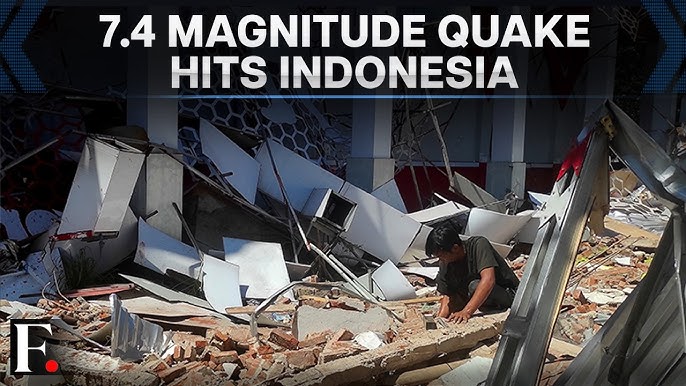
Indonesia 7.4 Magnitude Earthquake Rocks Molucca Sea, Tsunami Alert Lifted
Indonesia 7.4 magnitude earthquake struck the Molucca Sea, sending shockwaves across eastern Indonesia and triggering emergency evacuations in several coastal cities, authorities confirmed.
The Indonesia 7.4 magnitude earthquake occurred in the early hours, affecting key urban centres including Ternate, Bitung, and Manado. Officials reported widespread structural damage, though assessments are ongoing as emergency responders continue operations.
Authorities issued a tsunami warning shortly after the Indonesia 7.4 magnitude earthquake, urging residents in vulnerable coastal areas to move to higher ground as a precaution.
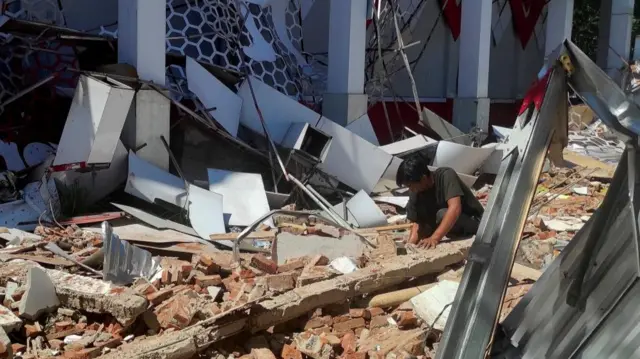
Strong Tremors Felt Across Multiple Cities
The Indonesia 7.4 magnitude earthquake caused intense shaking in populated areas, prompting immediate panic among residents. In Ternate, locals fled homes and workplaces as buildings swayed.
In Bitung and Manado, the Indonesia 7.4 magnitude earthquake disrupted transportation systems and power supply in some districts. Eyewitnesses described scenes of confusion, with people rushing into open spaces for safety.
Emergency management agencies confirmed that the Indonesia 7.4 magnitude earthquake was powerful enough to be felt across a wide radius, raising concerns about aftershocks.
Tsunami Waves Recorded Before Alert Lifted
Following the Indonesia 7.4 magnitude earthquake, tsunami waves measuring up to 75 centimetres were recorded along parts of the coastline.
The tsunami alert issued after the Indonesia 7.4 magnitude earthquake remained in place for several hours before authorities lifted it after confirming that wave activity had subsided.
Indonesia’s Meteorology, Climatology, and Geophysics Agency (BMKG) stated that the 7.4-magnitude earthquake did not pose a large-scale tsunami threat but warned residents to remain cautious.
Emergency Response and Evacuations
The 7.4 magnitude earthquake in Indonesia triggered swift action from disaster response teams. Evacuation protocols were activated in high-risk areas, particularly coastal communities.
Search and rescue teams deployed immediately after the Indonesia earthquake began assessing damaged buildings and assisting injured residents.
Key emergency measures included:
- Evacuation of coastal residents
- Temporary shelters for displaced families
- Medical response units are on standby.
- Infrastructure damage assessment
Officials emphasised that the response to the Indonesia 7.4 magnitude earthquake helped minimise casualties.
Infrastructure Damage and Impact Assessment
Preliminary reports indicate that the Indonesia 7.4 magnitude earthquake caused varying degrees of damage to residential buildings, public infrastructure, and commercial properties.
In Ternate, Indonesia, the 7.4 magnitude earthquake damaged several structures, including homes and small businesses. In Manado, authorities reported cracks in roads and minor disruptions to communication networks.
Government officials stated that the full impact of the Indonesia 7.4 magnitude earthquake would be clearer after comprehensive inspections are completed.
Indonesia’s Position in the Pacific Ring of Fire
The Indonesia 7.4 magnitude earthquake underscores the country’s vulnerability due to its location along the Pacific Ring of Fire, a region known for frequent seismic activity.
Indonesia experiences hundreds of earthquakes annually, and the Indonesia 7.4 magnitude earthquake is among the stronger recent events recorded in the region.
Experts note that the tectonic setting makes earthquakes like the Indonesia 7.4 magnitude earthquake inevitable, emphasising the importance of preparedness and resilient infrastructure.
Seismic Risks and Preparedness Measures
The 7.4-magnitude earthquake in Indonesia has renewed discussions about disaster preparedness across Southeast Asia.
Authorities have consistently warned that regions affected by the Indonesian 7.4 magnitude earthquake must strengthen early warning systems and public awareness campaigns.
Key preparedness strategies include:
- Improved tsunami detection systems
- Public education on evacuation procedures
- Strengthening building codes
- Investment in disaster response infrastructure
The Indonesia 7.4 magnitude earthquake serves as a reminder of the need for continuous vigilance in earthquake-prone regions.
Regional and Global Implications
The Indonesia 7.4 magnitude earthquake also highlights broader global concerns about seismic activity in the Pacific region.
Countries along the Ring of Fire closely monitored the Indonesia 7.4 magnitude earthquake, as such events can have cross-border implications.
International observers noted that the response to the Indonesia 7.4 magnitude earthquake reflects improved coordination compared to past disasters, particularly in early warning dissemination.
Aftershocks and Ongoing Monitoring
Following the Indonesia 7.4 magnitude earthquake, authorities warned of potential aftershocks that could pose additional risks.
Seismologists continue to monitor activity following the 7.4-magnitude earthquake in Indonesia, advising residents to remain alert and follow official guidance.
While the tsunami alert has been lifted, officials stressed that the 7.4-magnitude earthquake in Indonesia remains a serious event requiring continued caution.
Conclusion
The 7.4 magnitude earthquake in Indonesia has once again exposed the realities of living in one of the world’s most seismically active regions.
Although the immediate tsunami threat has passed, the Indonesia 7.4-magnitude earthquake highlights the importance of preparedness, rapid response, and resilient infrastructure in mitigating the impacts of disasters.
Authorities continue to assess damage and support affected communities as Indonesia navigates the aftermath of the 7.4 magnitude earthquake.
About the Author